
When Dalida Returned to the Olympia
Some shows are remembered for a dress. Others for a finale.
Stéphane Rolland's Haute Couture Fall/Winter 2026–27 collection will be remembered for a feeling.
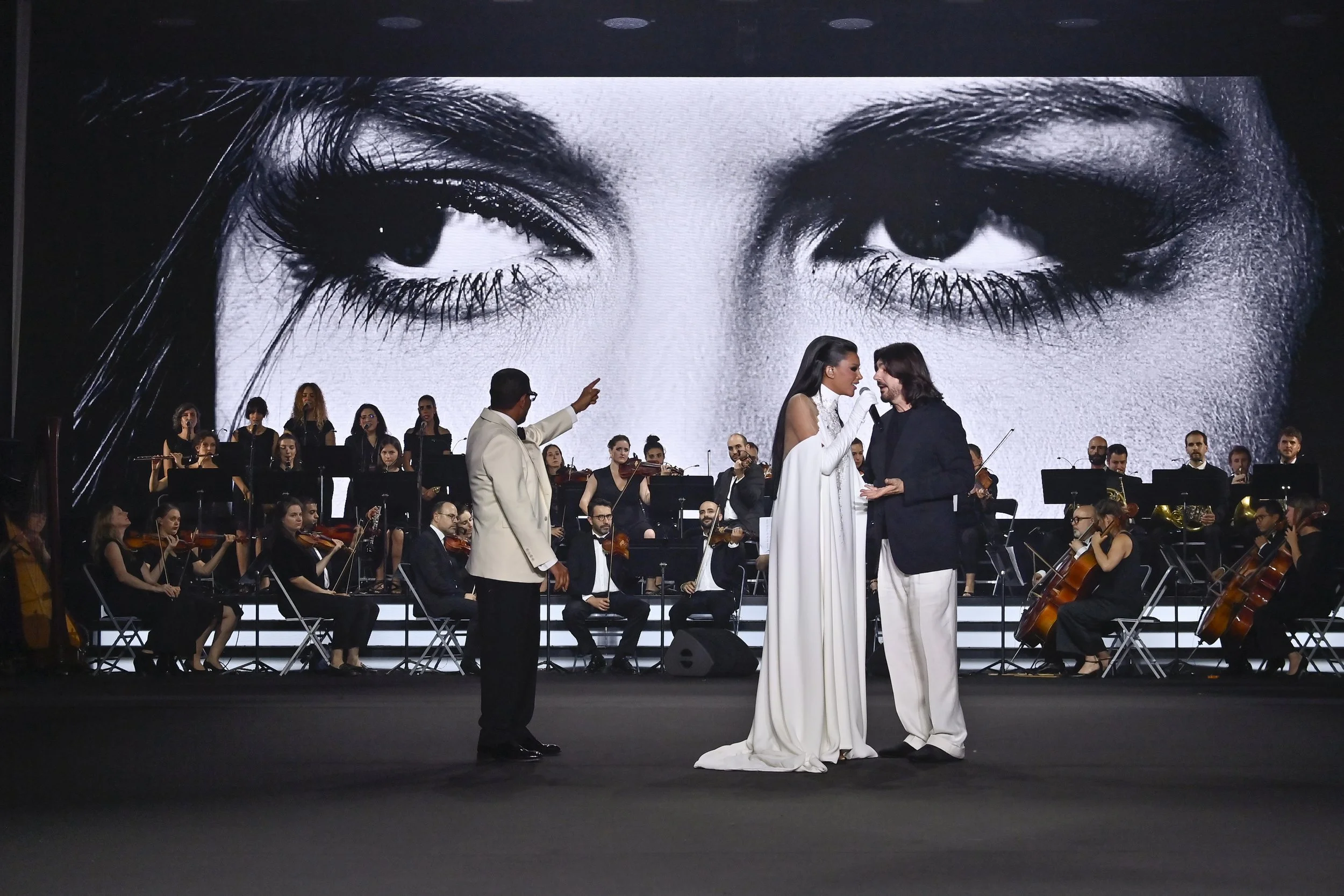
The moment the curtain lifted, the Olympia fell silent. Dalida's voice filled the room before a single look appeared. It wasn't an introduction. It was an invocation. Suddenly, this wasn't simply another couture presentation. It was a return.
Goosebumps arrived before the first silhouette.
That was precisely Stéphane Rolland's intention. His collection wasn't conceived as a recreation of Dalida's wardrobe or an exercise in nostalgia. It was born from the idea that some places become larger than their architecture, carrying the memories of everyone who has stood on their stage. For Rolland, the Olympia is one of those places, and no voice inhabits it more permanently than Dalida's.
Across thirty-three looks, he imagined not the singer herself, but the emotions she left behind.
White dominated the opening like an unwritten page. Crêpe, gazar, organza and satin floated with almost immaterial lightness, while sculptural capes, elongated coats and trapeze silhouettes moved with quiet authority. Rolland describes them as "breaths" and "presences," garments suspended somewhere between appearance and disappearance. Precious stones, crystals, porcelain and mother-of-pearl weren't decoration as much as fragments of memory, each catching the light like a note lingering after the music had ended.
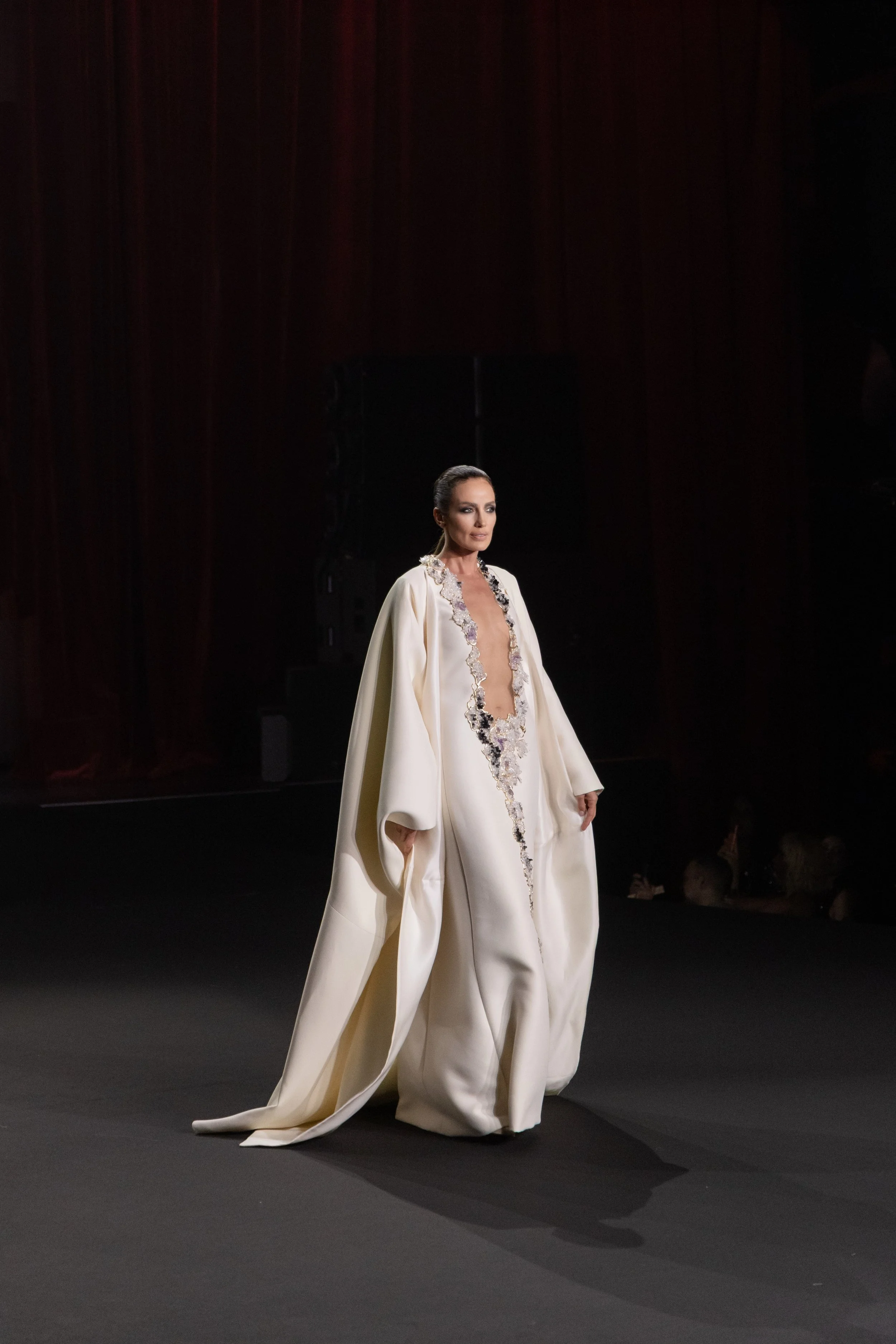
As the collection progressed, so did its emotional register.
The white gradually gave way to richer embroideries, then to deep reds, black and flashes of silver, unfolding, as Rolland writes, "like chapters in a recital." The clothes never chased spectacle for its own sake. They carried the quiet confidence of performers who understand that restraint often leaves the deepest impression.
There was also something profoundly personal in the choice of Dalida herself.
Born in Cairo to Italian parents before becoming one of France's defining voices, Dalida embodied a dialogue between East and West long before cultural hybridity became a fashionable conversation. Rolland saw in her a woman who transformed fragility into strength and melancholy into light, an artist who belonged to several worlds without ever fully belonging to only one. That duality became one of the collection's central ideas.
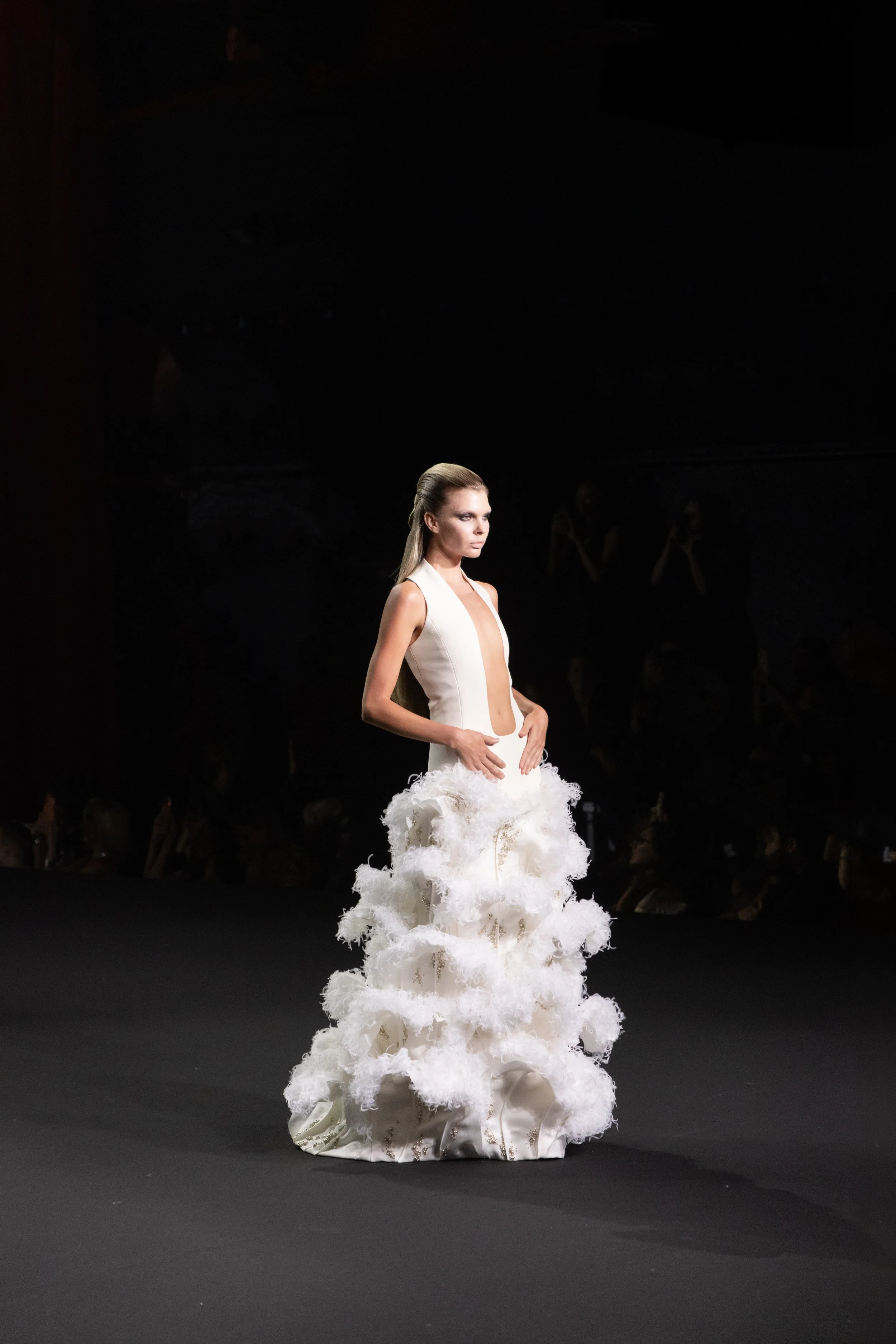
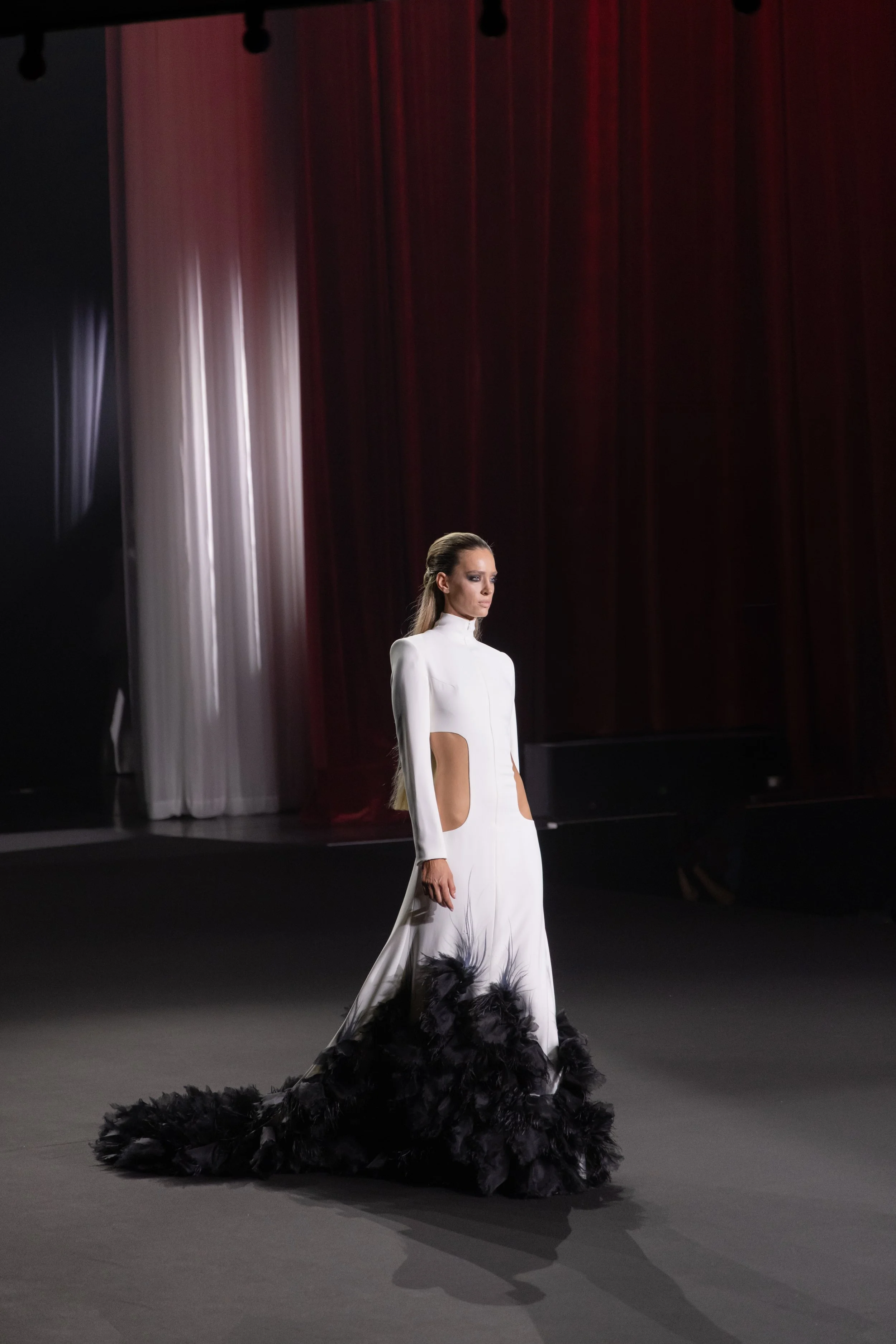
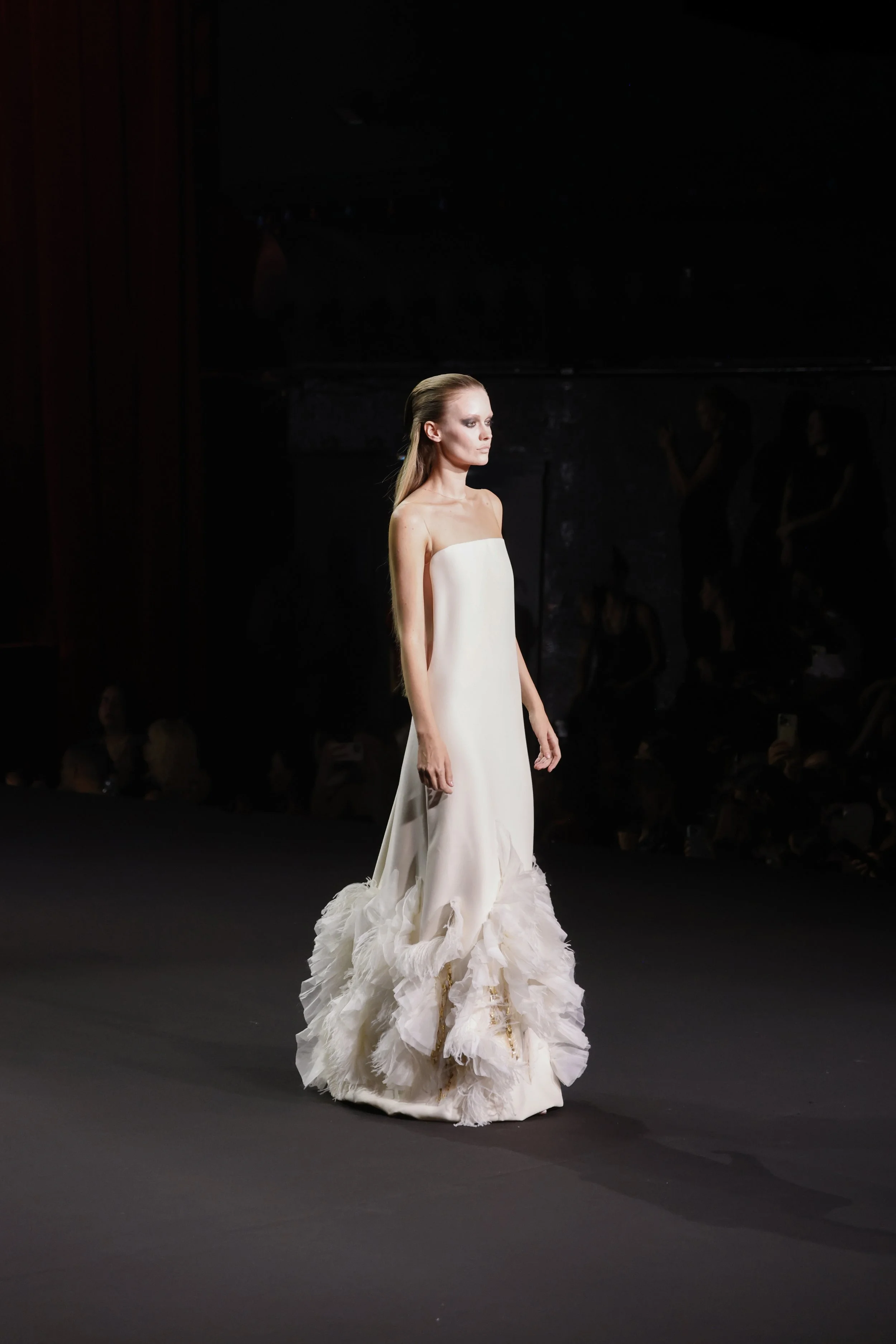
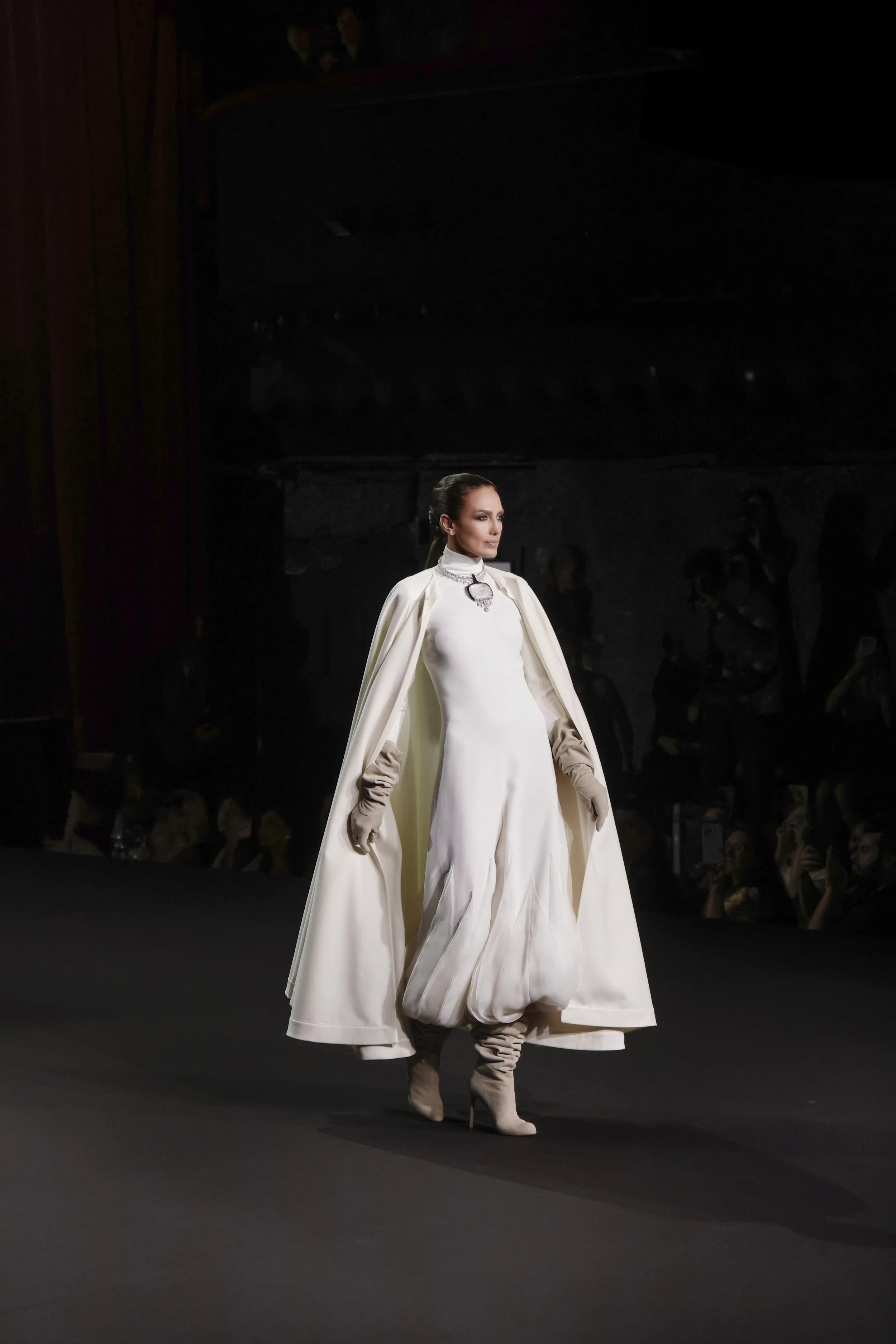
But no press release could have prepared us for the ending.
As the final looks appeared, the show dissolved into something closer to a tribute than a runway presentation. Omaima Taleb took the stage and began singing Helwa Ya Baladi. Watching a couture collection dedicated to Dalida inside the Olympia while hearing an Arab voice perform one of her most beloved songs felt almost impossible to separate from the clothes themselves.
For a few minutes, fashion, music and memory became the same performance.
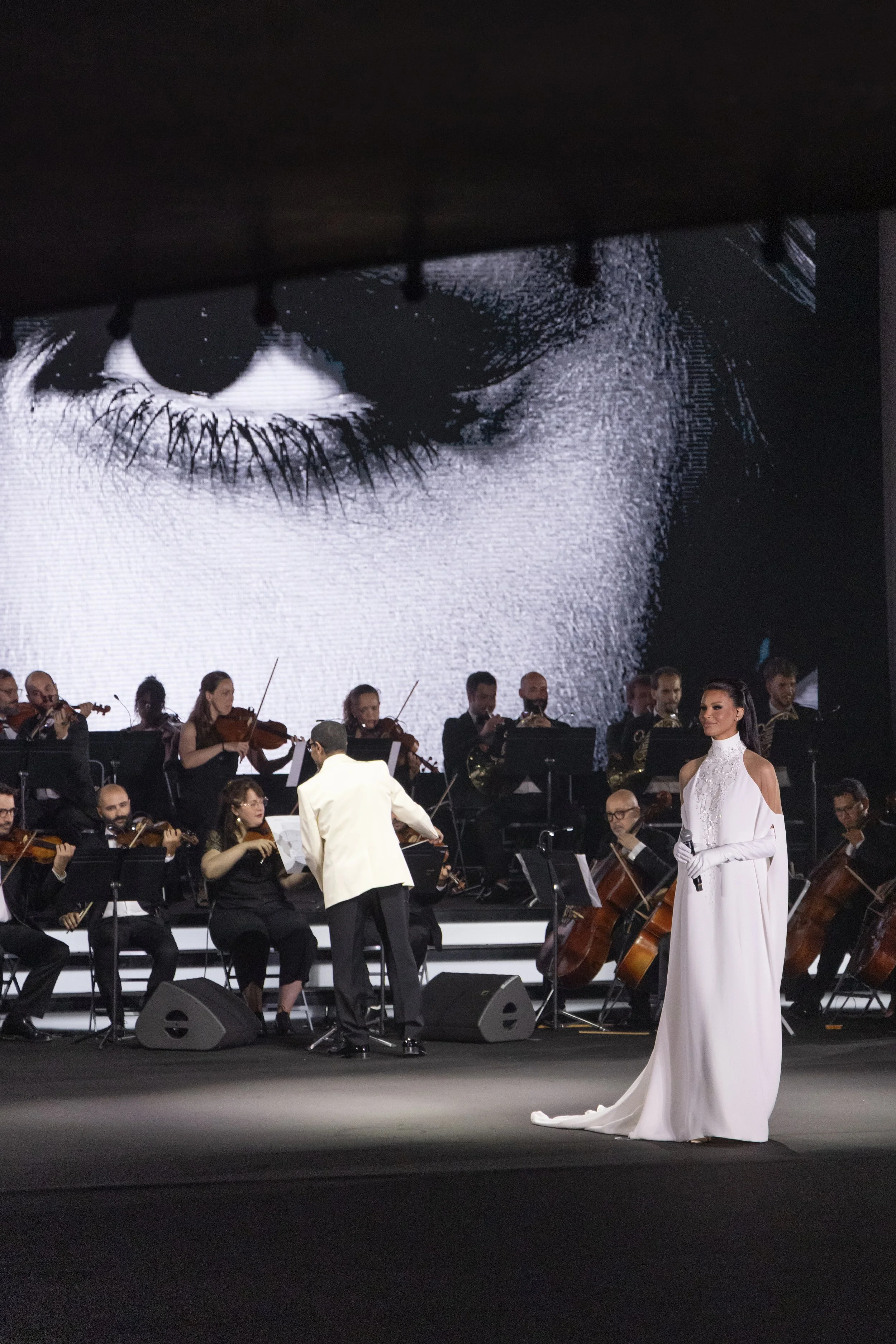
The finale wasn't louder than what came before. It simply completed the story.
When the applause finally arrived, it wasn't only for thirty-three couture looks. It was for Dalida. For the Olympia. For a collection that understood couture's greatest strength isn't always its ability to create something new, but its ability to make us feel something we thought time had already taken away.
