
Fashion Week Has No Winner
Every season, social media asks the same question: Who won Fashion Week? It may be the wrong question entirely.
A few days ago, I came across a post asking a simple question: Who won Fashion Week? It was one of those questions that seems perfectly normal until you stop to think about it. Since when did Fashion Week become something that could be won? Fashion has never had a podium. There are no medals handed out at the end of Paris, Milan or New York, nor is there a final whistle declaring one collection victorious over another. Designers are not competing to defeat one another. They are presenting ideas, each shaped by months, sometimes years, of research, fittings, failures and refinement. The notion of a winner feels strangely out of place in an industry that has always celebrated individuality over uniformity.
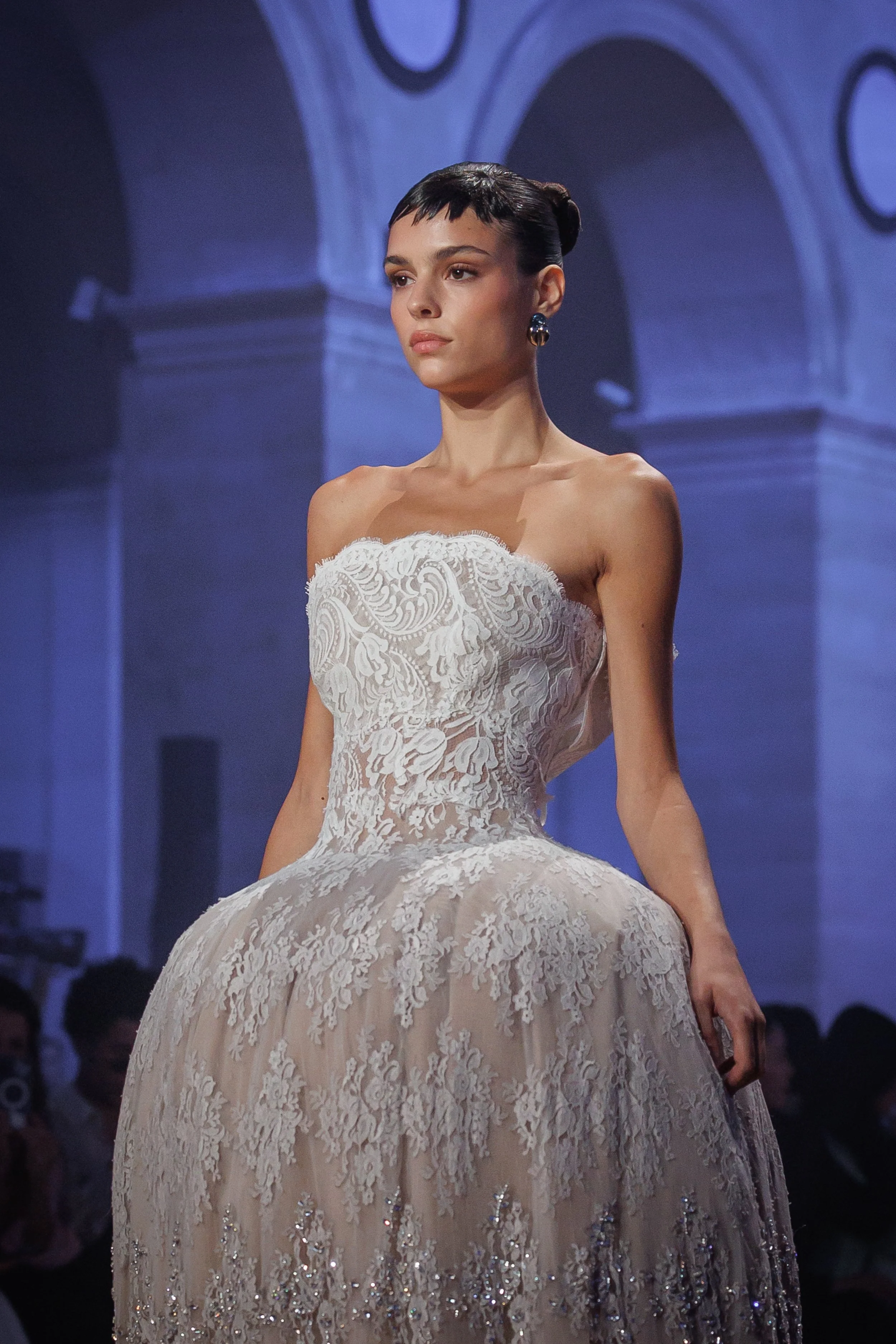
And yet, the language surrounding Fashion Week has undeniably changed. Every season, we ask who had the strongest front row, who generated the biggest headlines, whose show dominated Instagram, whose celebrity guests attracted the most attention. Success is increasingly discussed in terms of visibility, as though attention and influence were interchangeable. Somewhere along the way, Fashion Week adopted the vocabulary of competition.
Perhaps that is because Fashion Week itself now exists in two parallel realities.
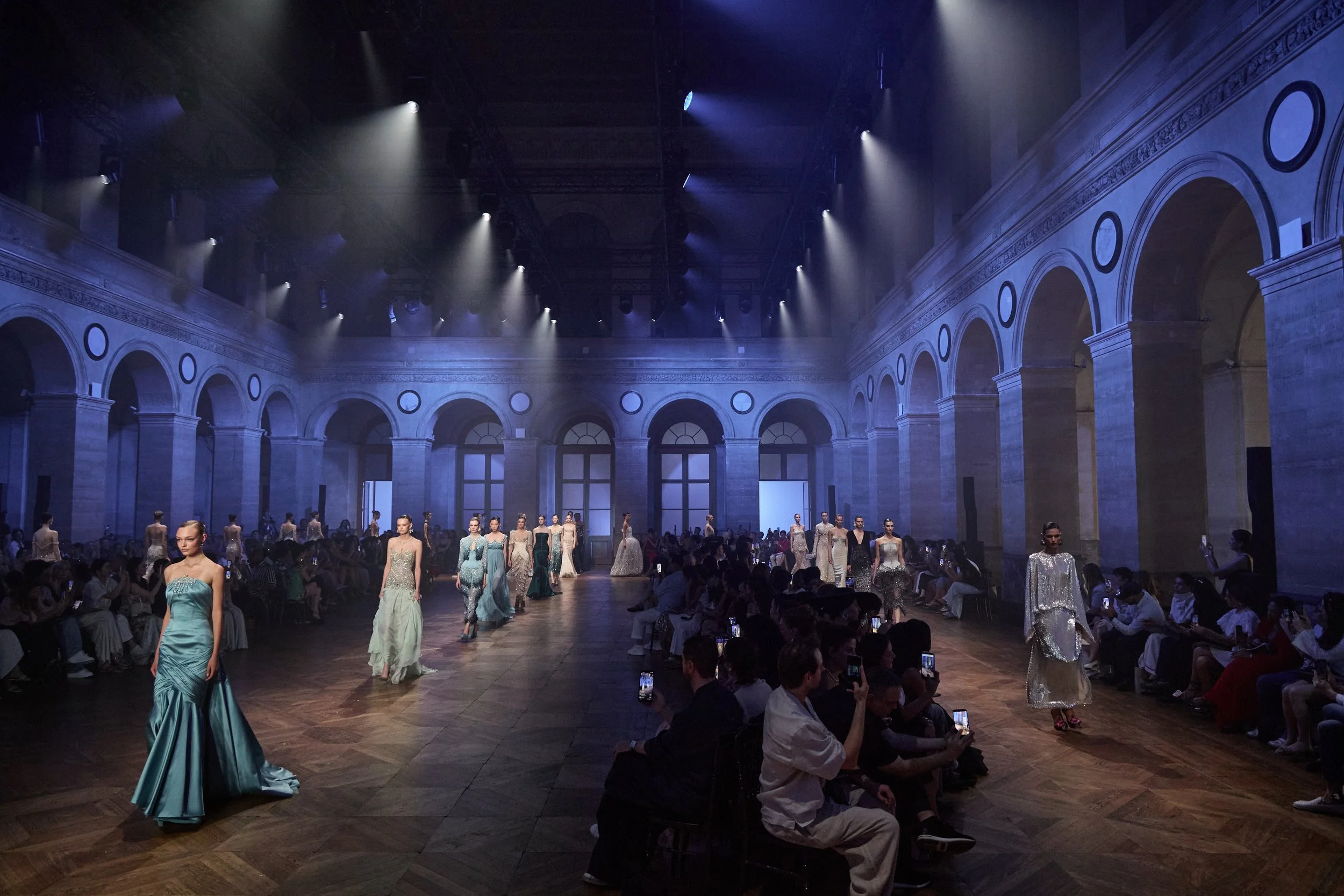
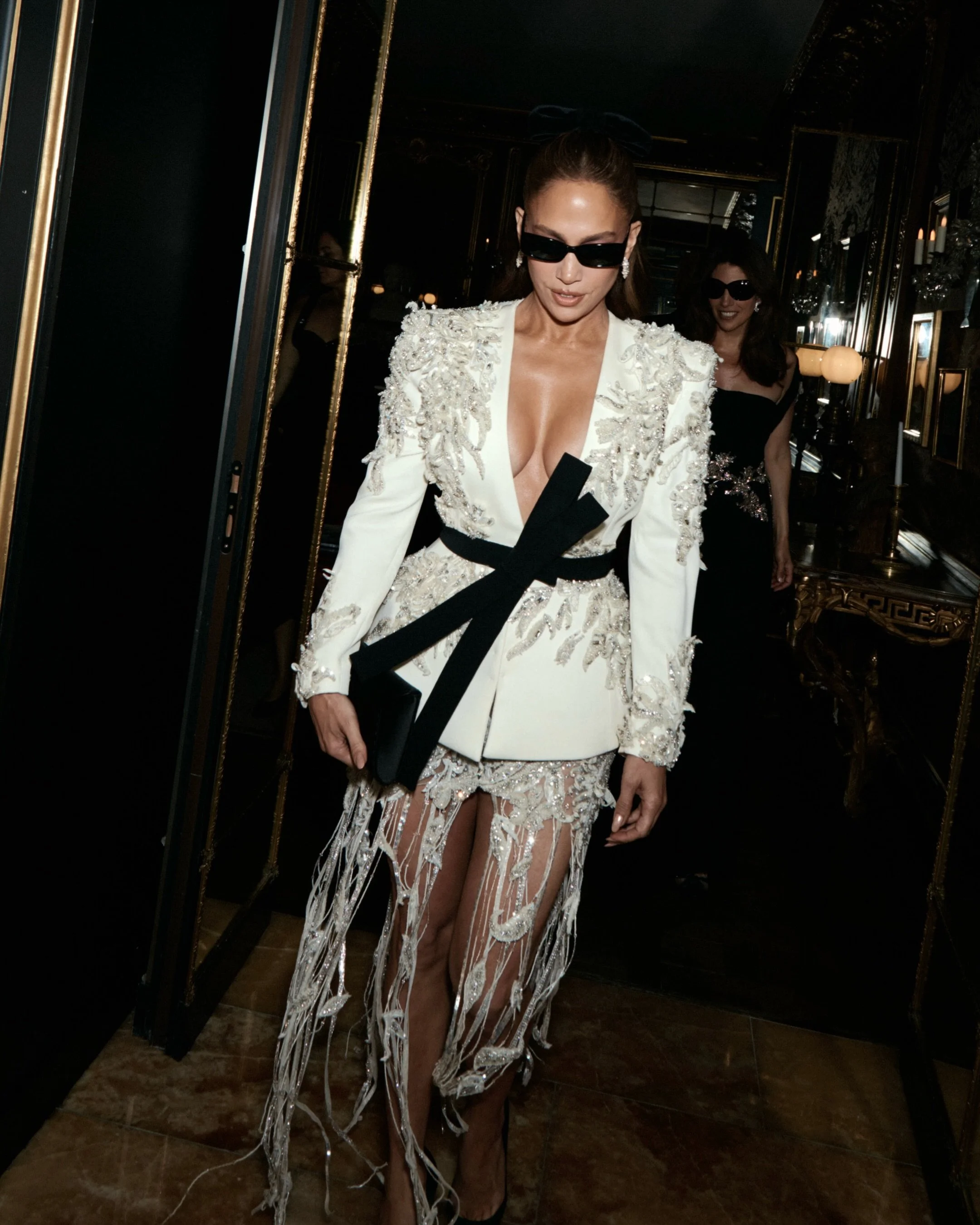
Inside the venue, editors study construction and proportion, buyers consider what will resonate with clients, and designers present collections that often represent a year of work compressed into fifteen minutes. Outside the venue, or more accurately, inside our phones, a different Fashion Week unfolds. Here, the conversation revolves around celebrity arrivals, viral moments, front rows and shareable images. Millions of people now experience Fashion Week without ever really experiencing the collection.
Neither reality is imaginary. Both exist simultaneously. But they are measuring entirely different things.
The problem begins when we confuse attention with importance.
The most viewed collection is not necessarily the most influential. The loudest conversation is not always the most meaningful one. Fashion has never operated at the speed of social media, and its history proves it. Some collections that received little attention upon their debut went on to redefine the way we dress. Others dominated headlines for a week before disappearing almost as quickly as they arrived. Influence has always revealed itself slowly. Algorithms reward immediacy. Fashion rewards endurance.
That is why I struggle with the question of who "won" Fashion Week. Won according to whom? The editor analysing a silhouette? The buyer placing orders? The client building a wardrobe? Or the algorithm measuring engagement? Each is judging success through an entirely different lens, making the idea of a single winner impossible.
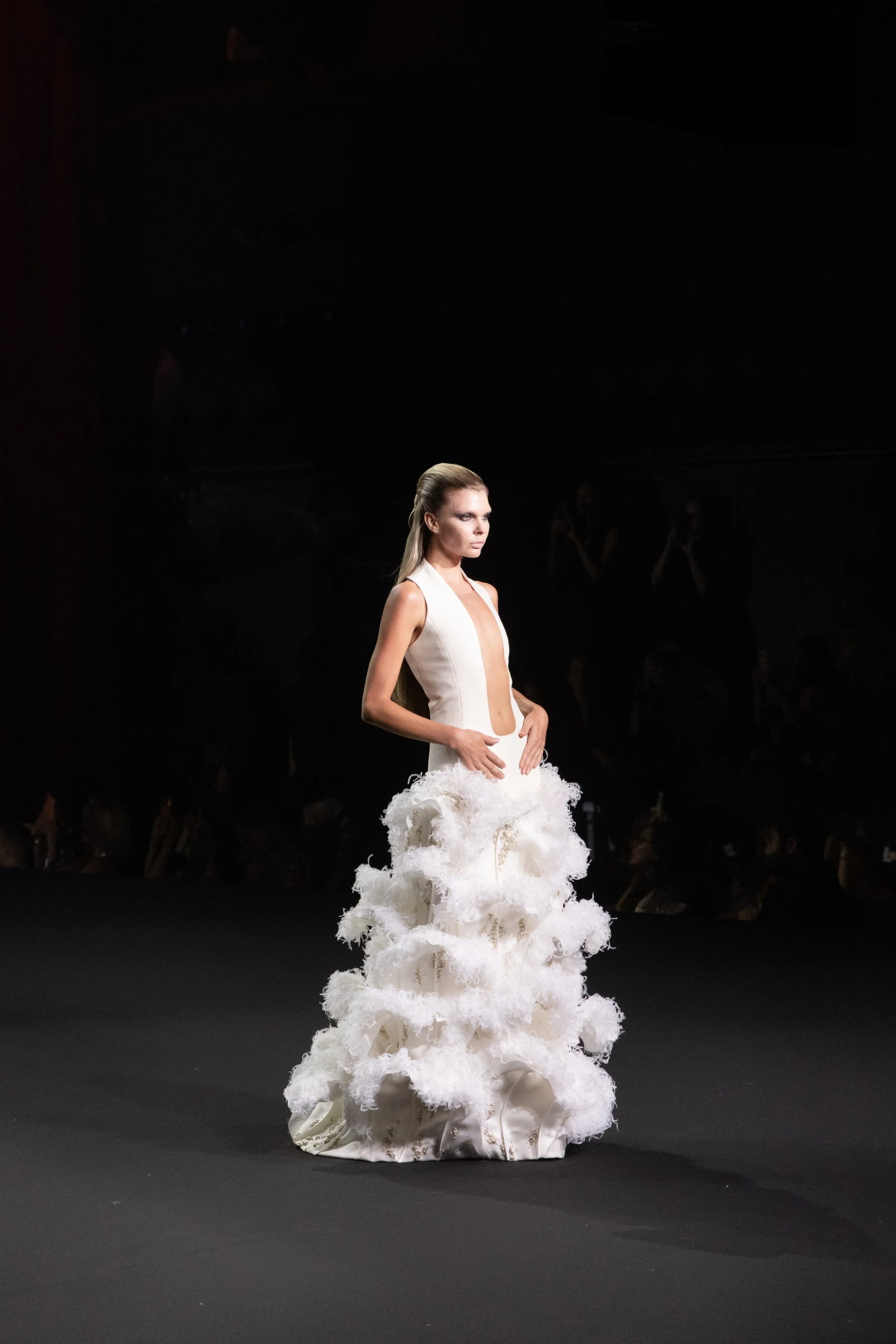
What concerns me is not that Fashion Week has become more visible. On the contrary, fashion has never reached a larger audience. What concerns me is that visibility is increasingly mistaken for value. We have become remarkably good at measuring attention and surprisingly impatient when it comes to measuring influence.
A collection can dominate social media for twenty-four hours and disappear. Another can pass through Fashion Week almost unnoticed before quietly shaping the next decade of fashion. Virality and legacy have never been the same thing.
So when someone asks, "Who won Fashion Week?" I can't help thinking they're asking the wrong question.
The better question is the one history always answers far more accurately than social media ever could:
Who will we still be talking about ten years from now?
