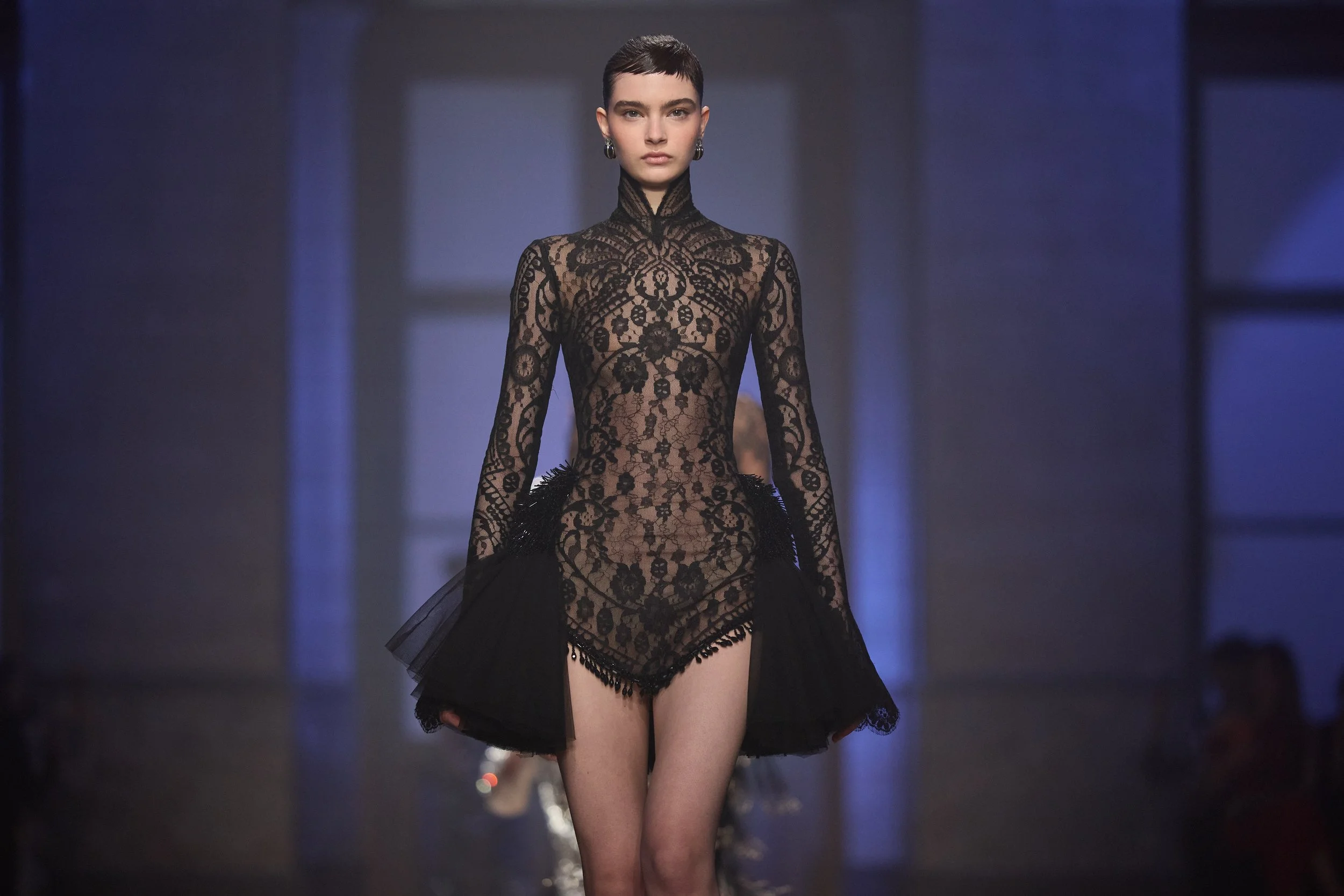
What Is Couture Trying to Say?
Every couture collection begins with a question.
Not how a dress should be cut, or where an embroidery should begin, but something far less tangible: why does this collection need to exist?
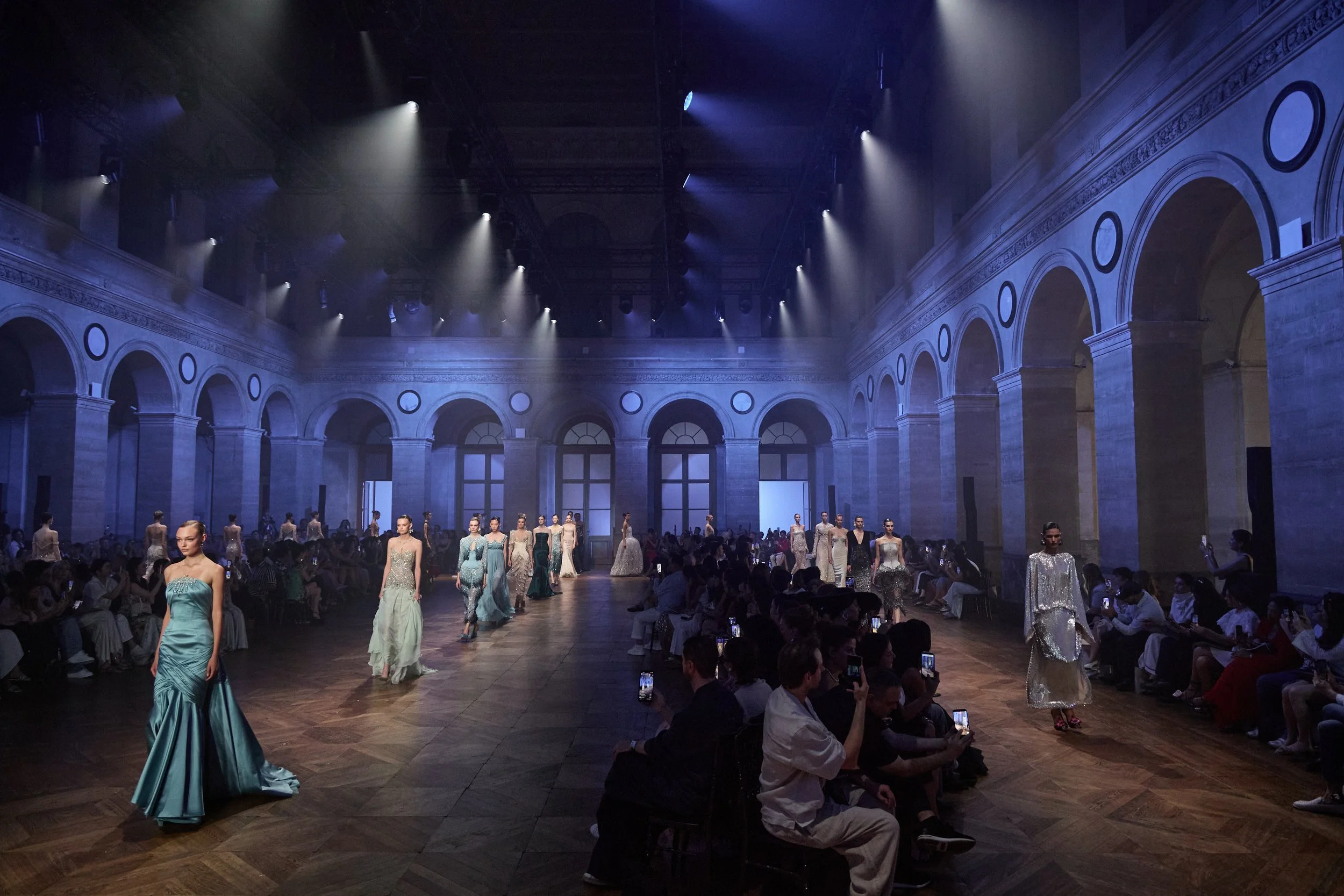
Long before the first toile is pinned, every maison is searching for an idea capable of carrying an entire season. Finding that idea may be one of the most difficult acts in couture. The atelier can solve construction. Technique can be refined. A silhouette can evolve through endless fittings. A story, however, cannot be engineered in quite the same way. It has to resonate.
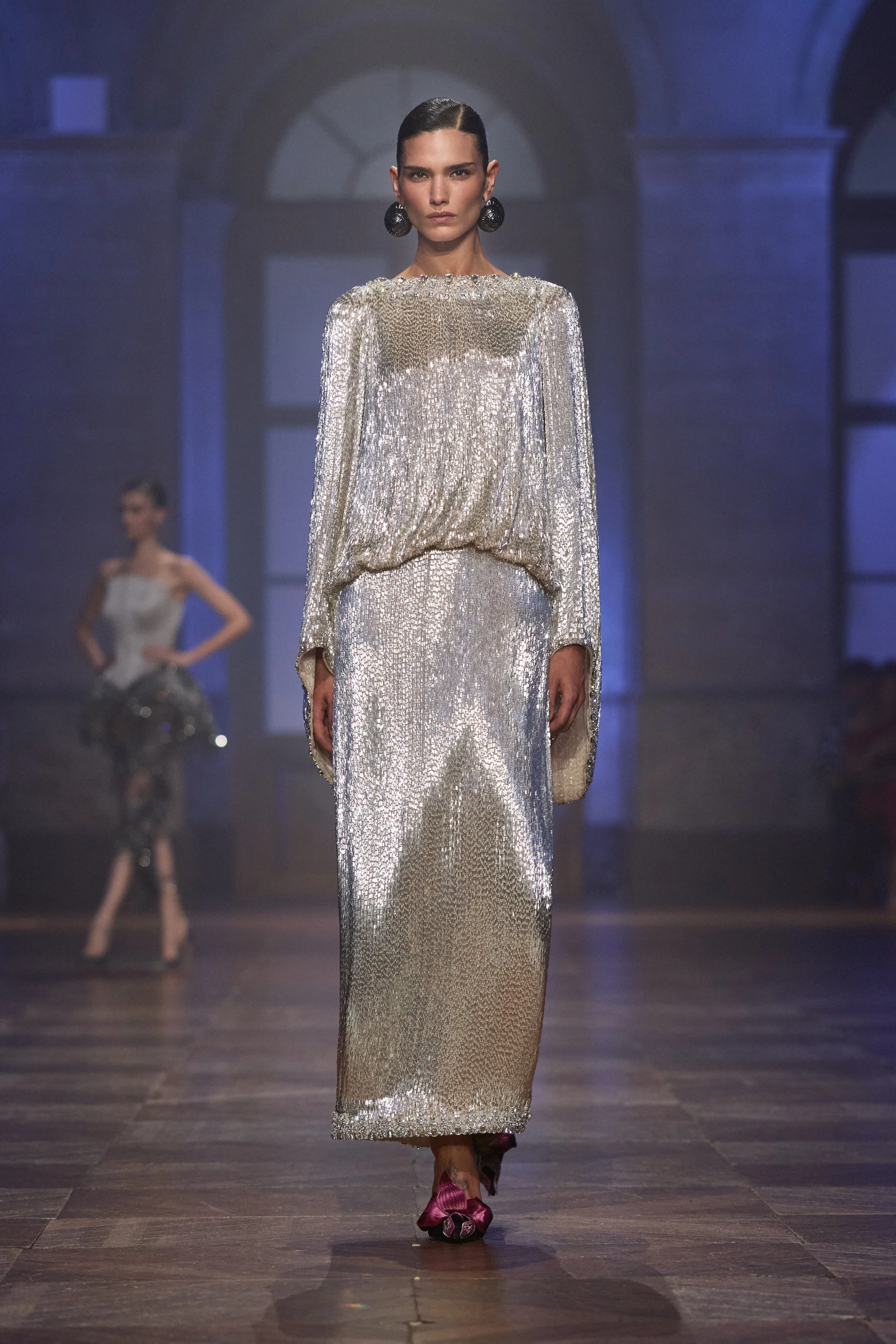
Couture has never existed without narrative. Paul Poiret published manifestos. Elsa Schiaparelli invited Surrealism into fashion. Christian Dior proposed an entirely new vision of femininity after the Second World War. Yves Saint Laurent returned repeatedly to literature, painting and culture, while John Galliano transformed the runway into theatre. Storytelling has never been an addition to couture. It has always been one of its materials.
What distinguished this season in Paris was not the presence of stories, but their nature.
The collections reached beyond aesthetic references and historical inspiration into something more introspective. Identity. Memory. Vulnerability. Heritage. Impermanence. Belonging. These ideas surfaced repeatedly, suggesting that couture is increasingly becoming a place where designers attempt to make sense of the world around them, not simply dress it.
Georges Hobeika's The Visitor invited us to experience life with greater presence, borrowing from James McCrae's Instructions Before Visiting Earth to reflect on gratitude and the fleeting nature of existence.
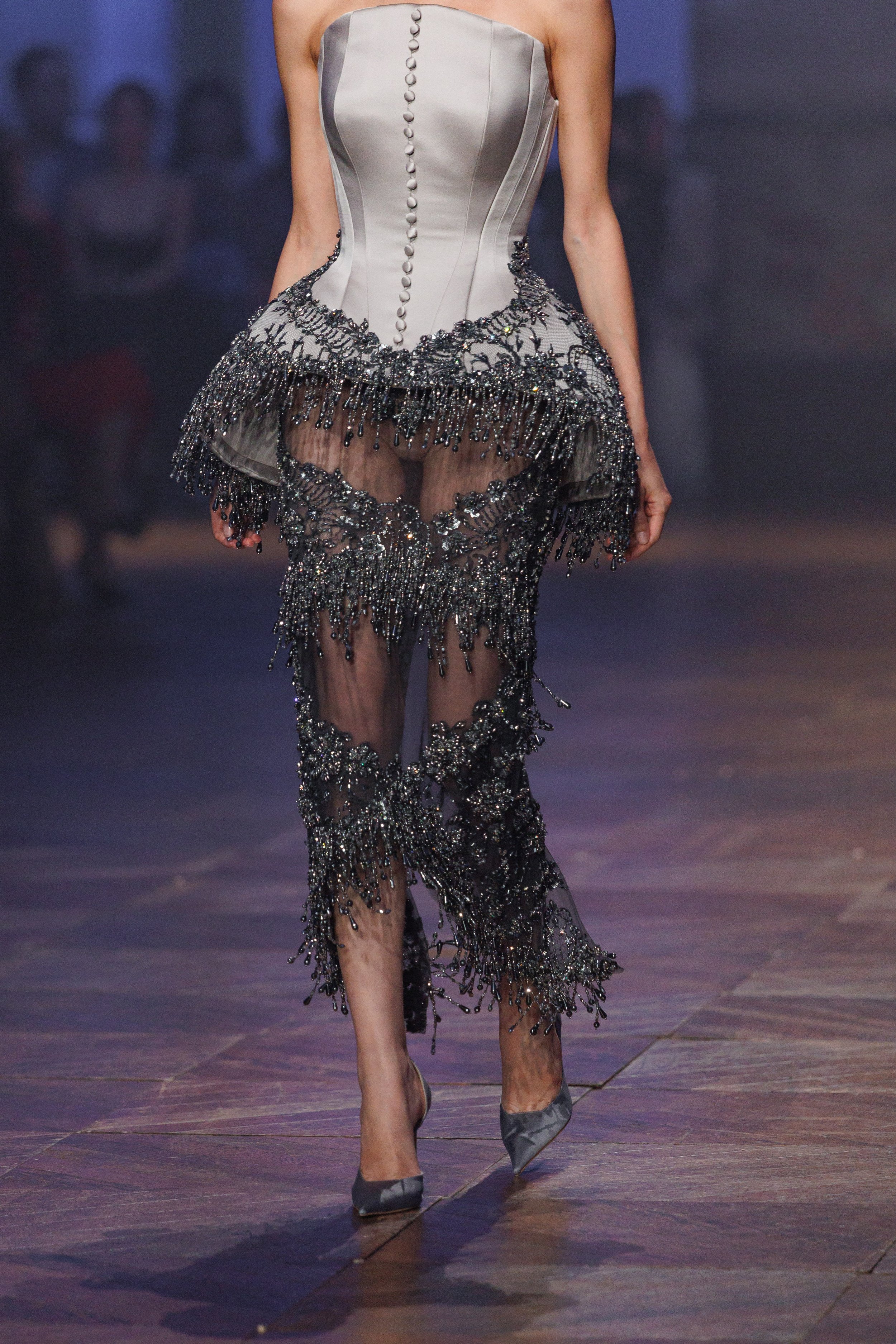
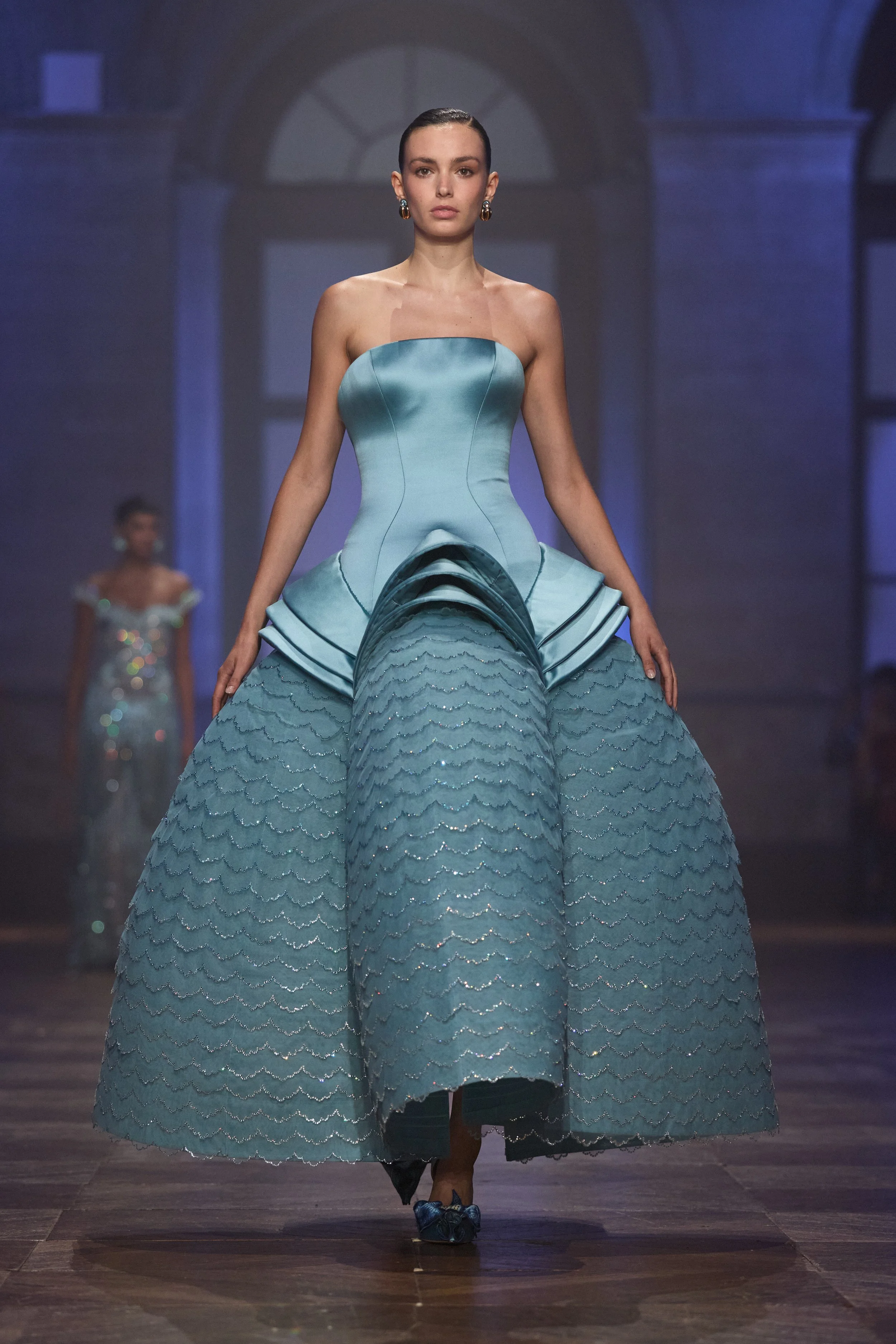
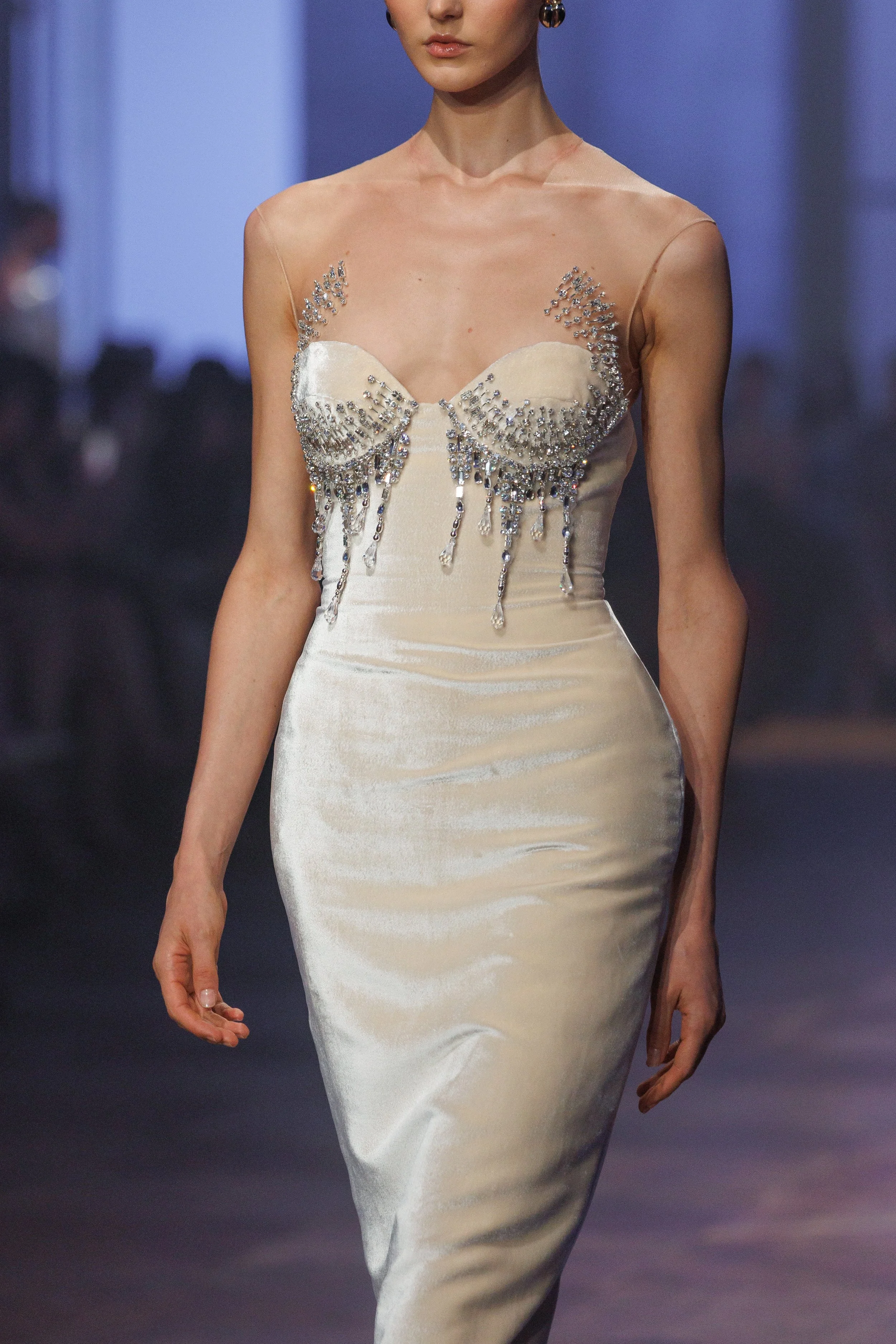
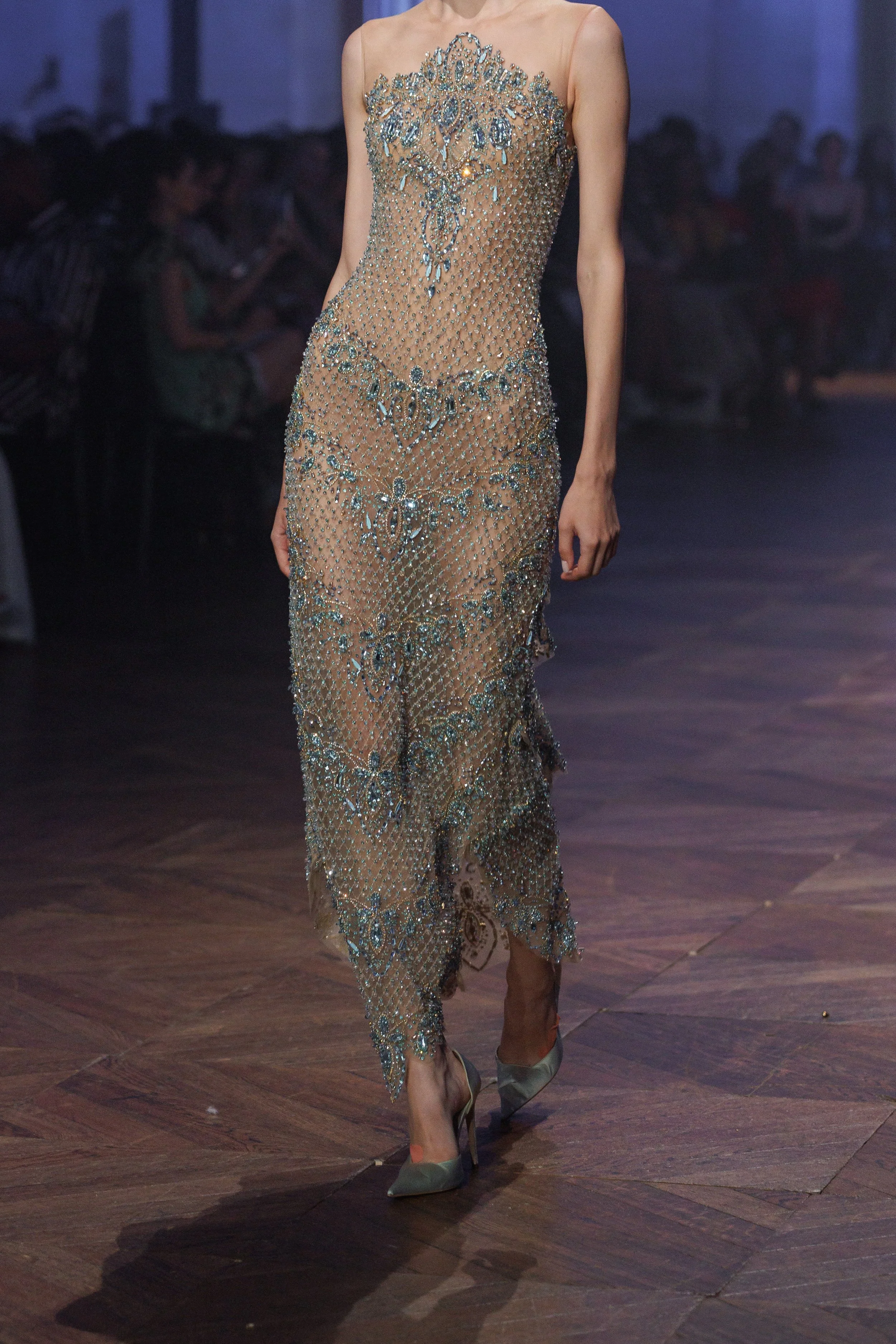
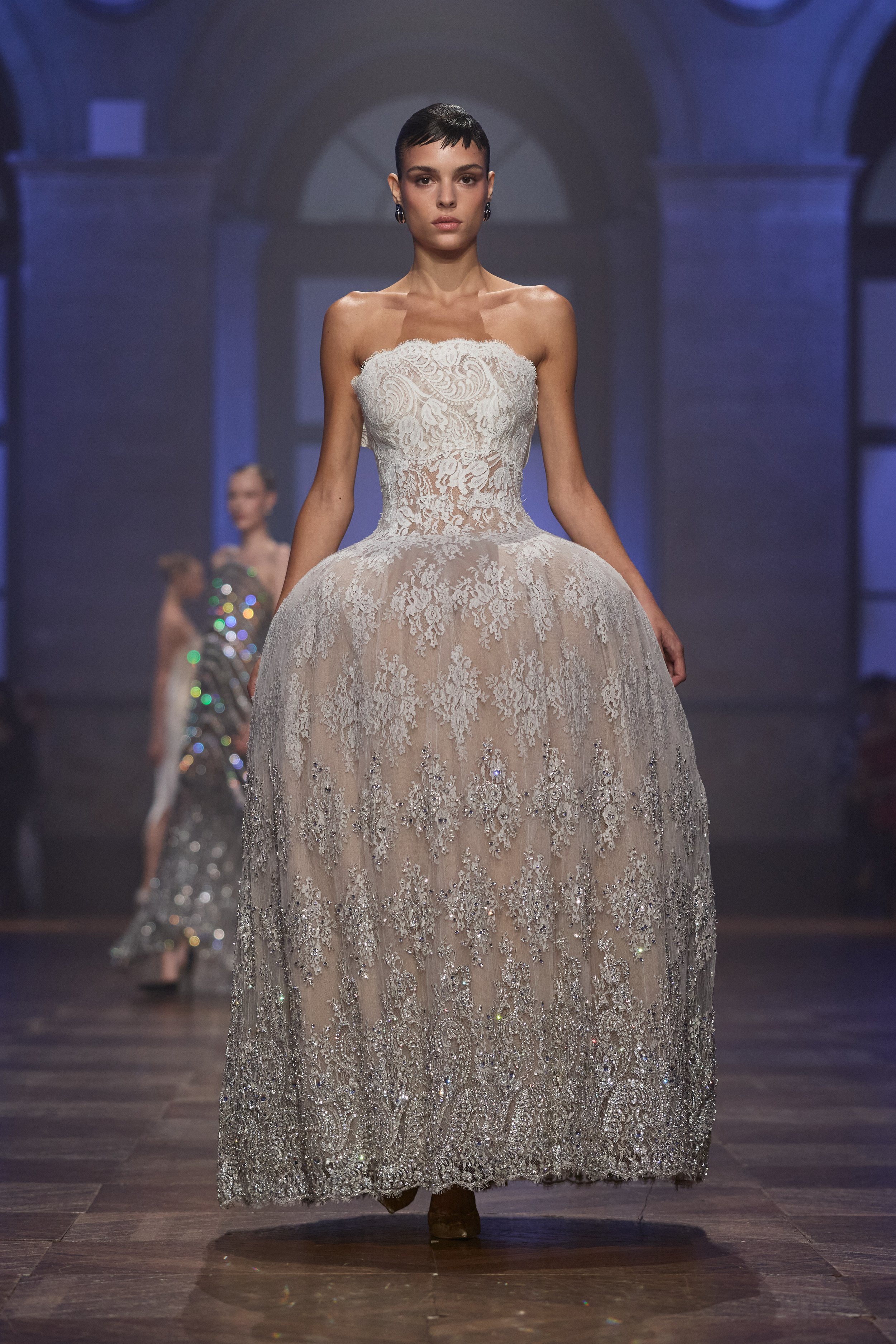
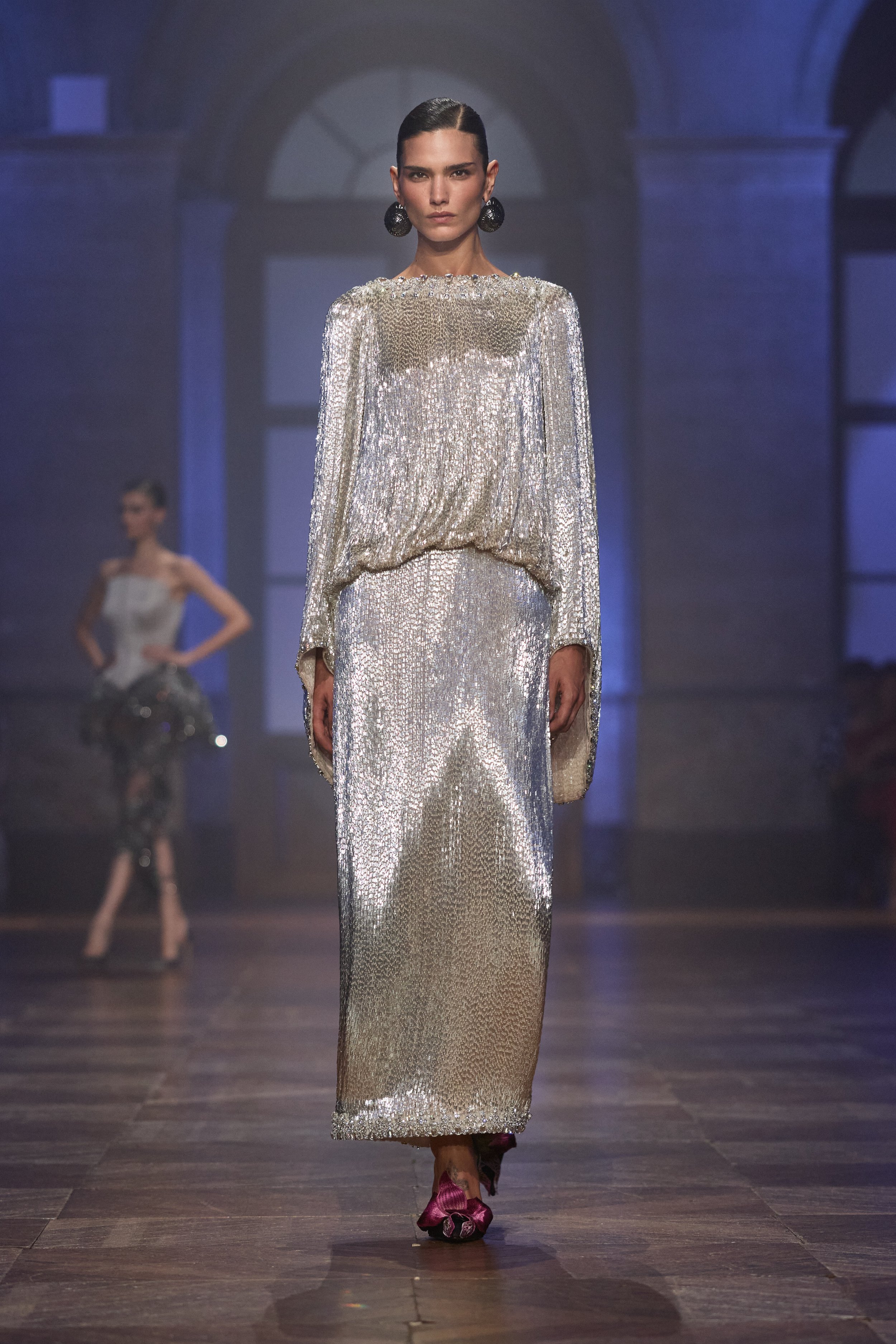
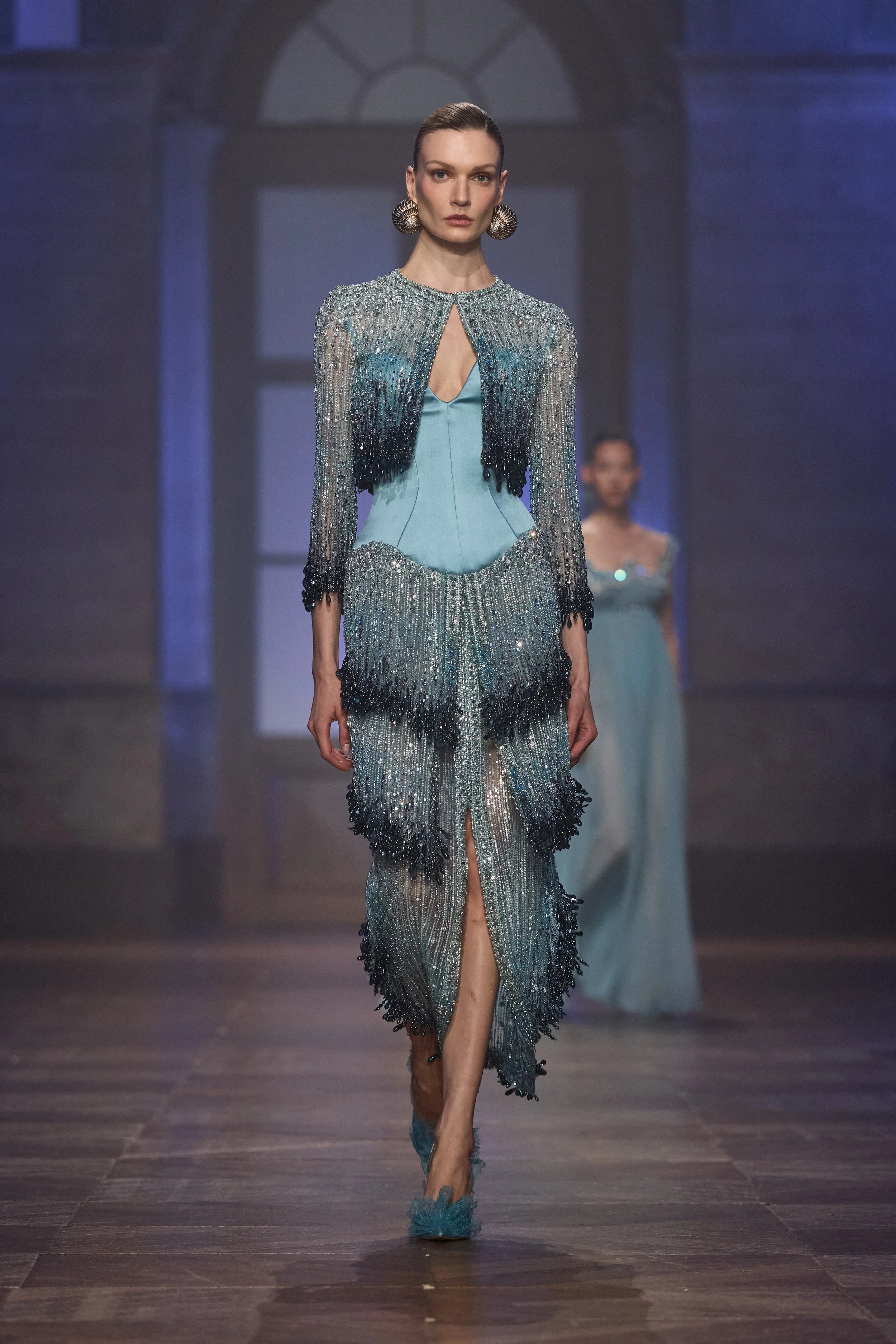
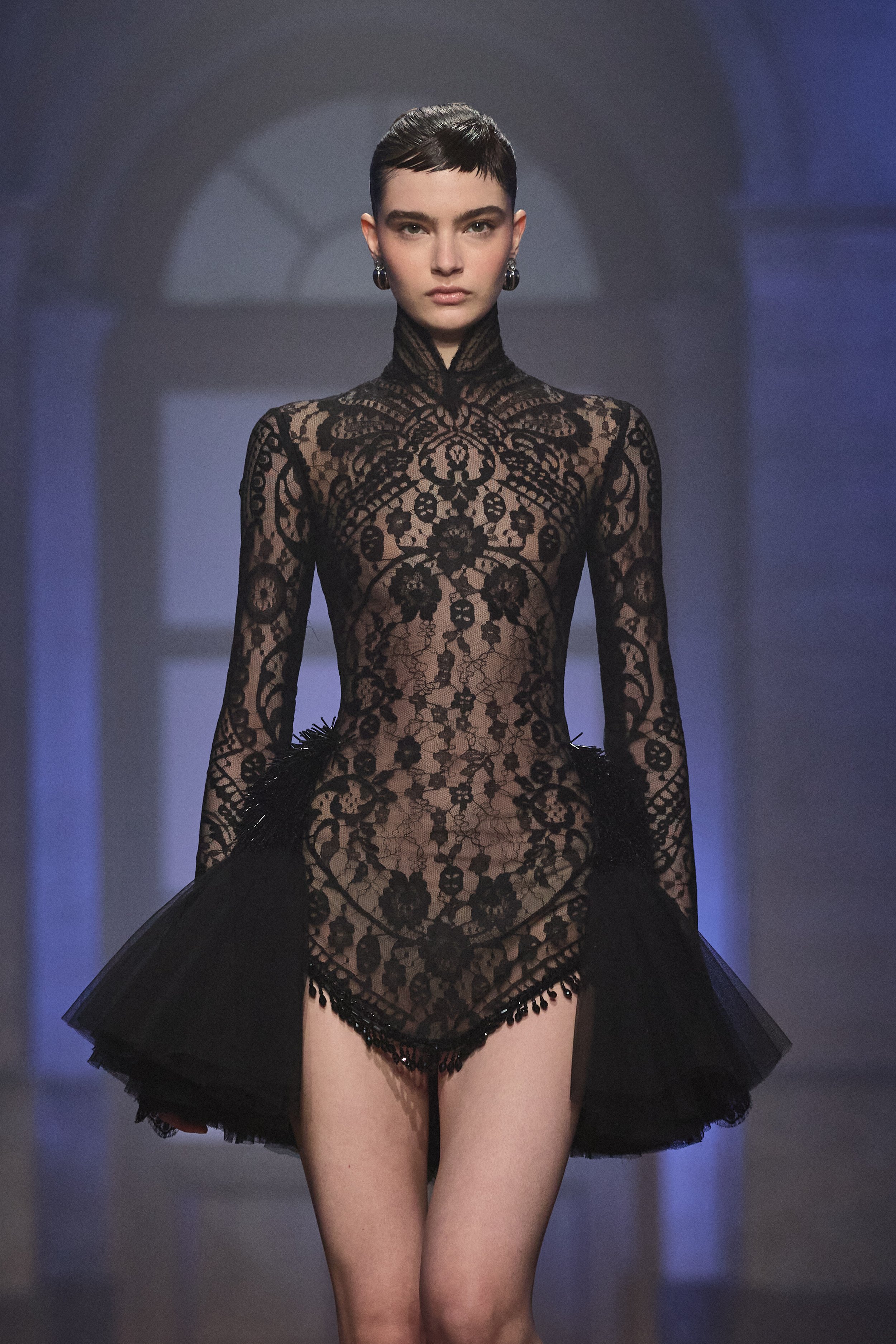
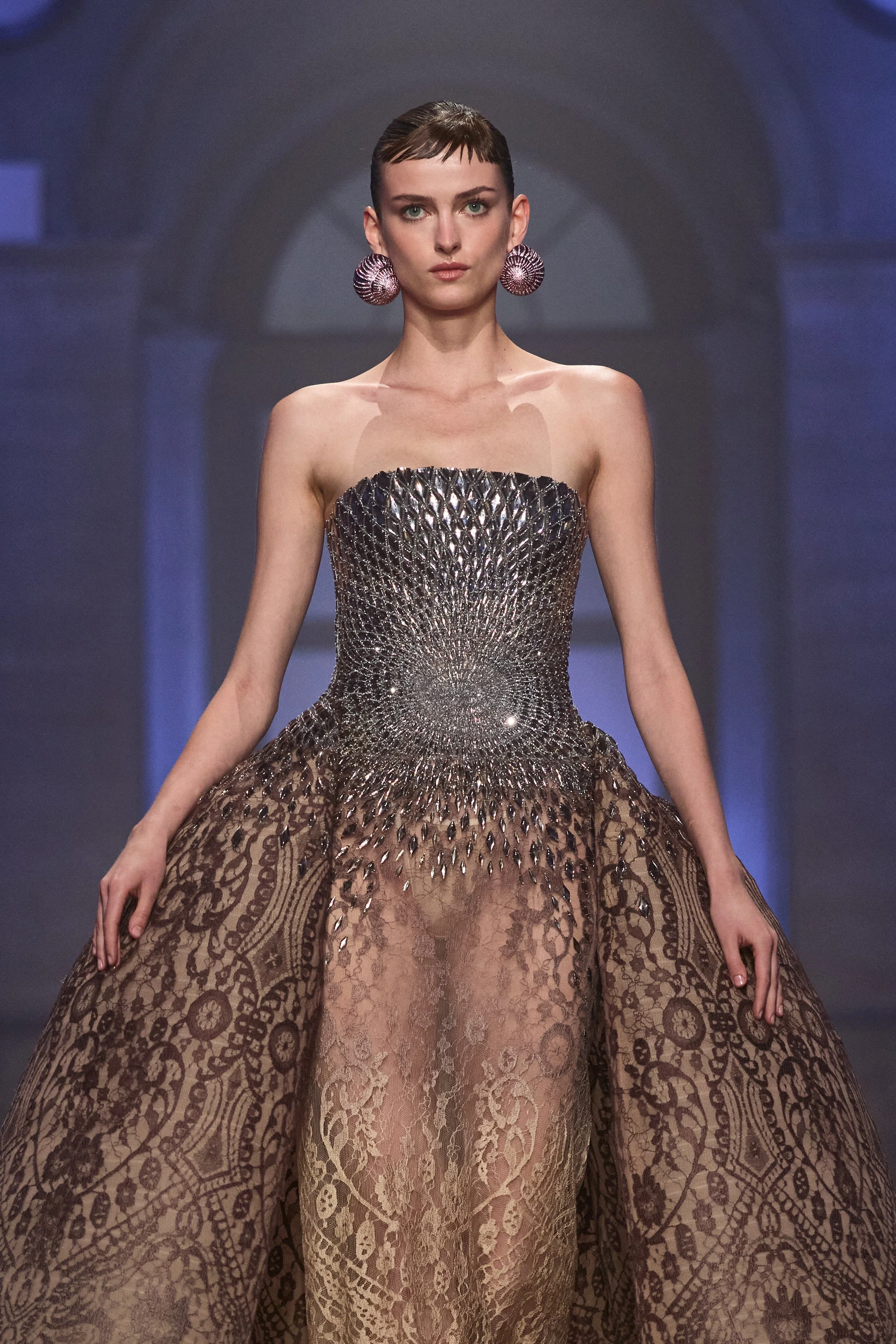
Rami Al Ali looked towards shared Arab heritage, using the first light of dawn as a metaphor for resilience, continuity and hope.
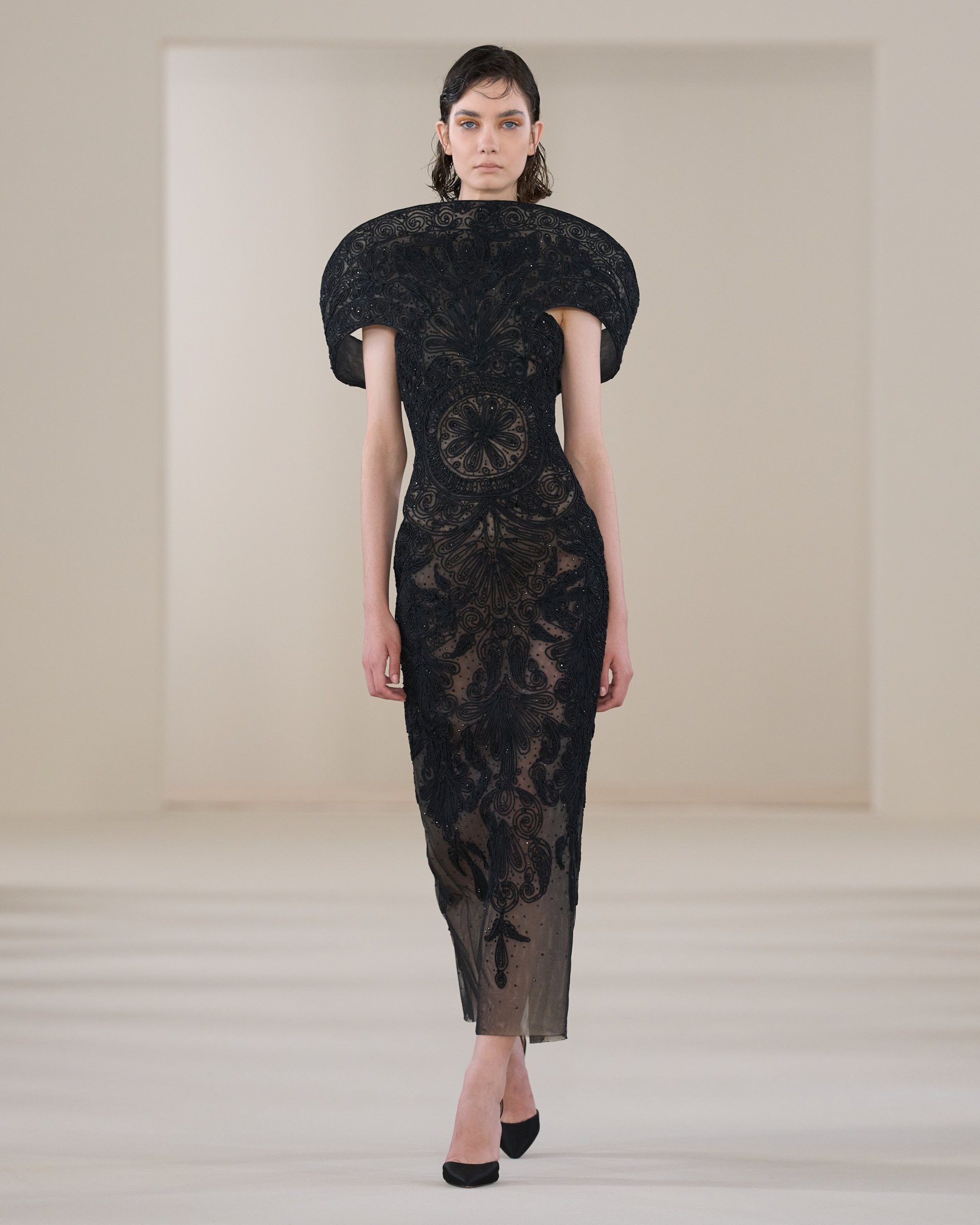
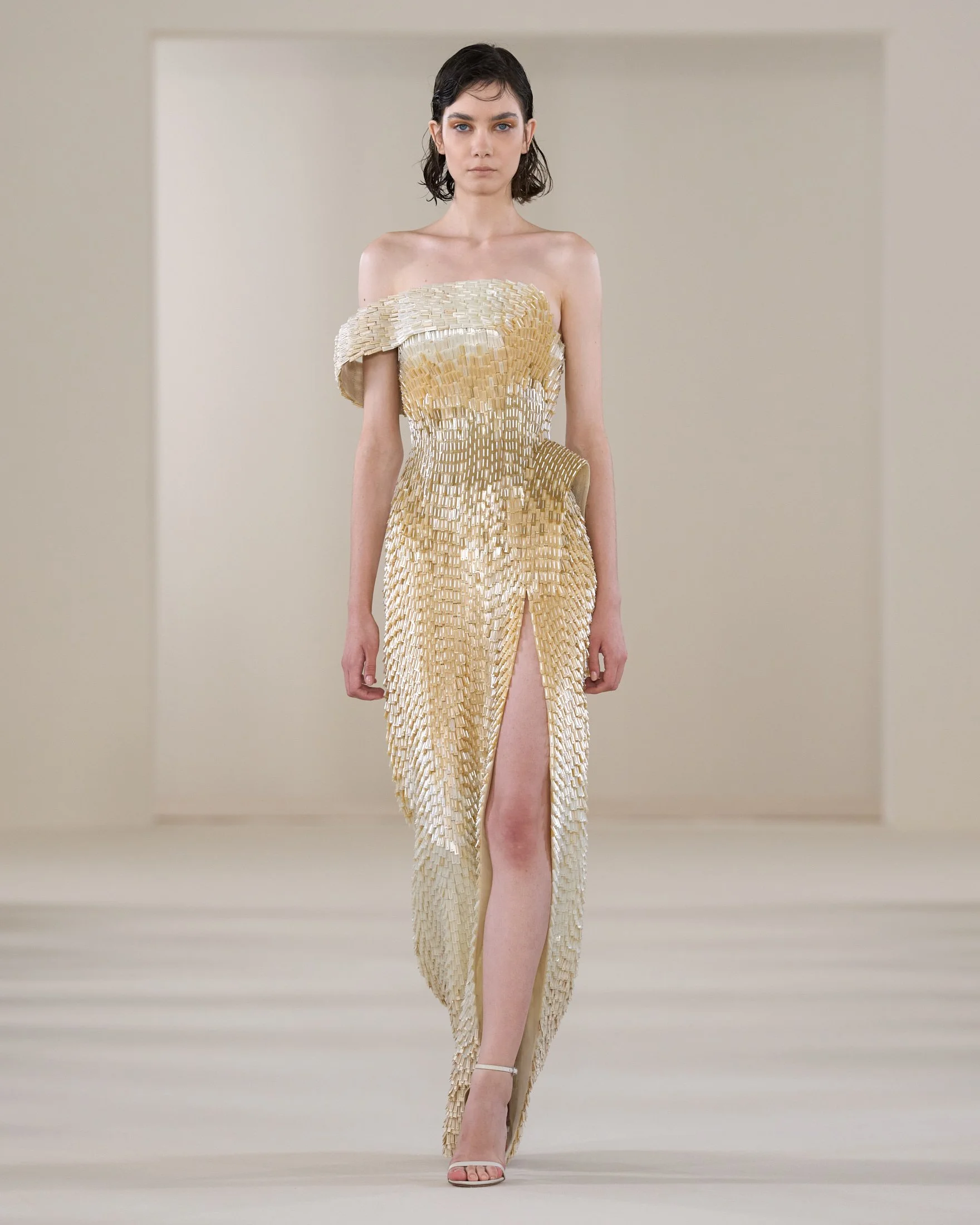
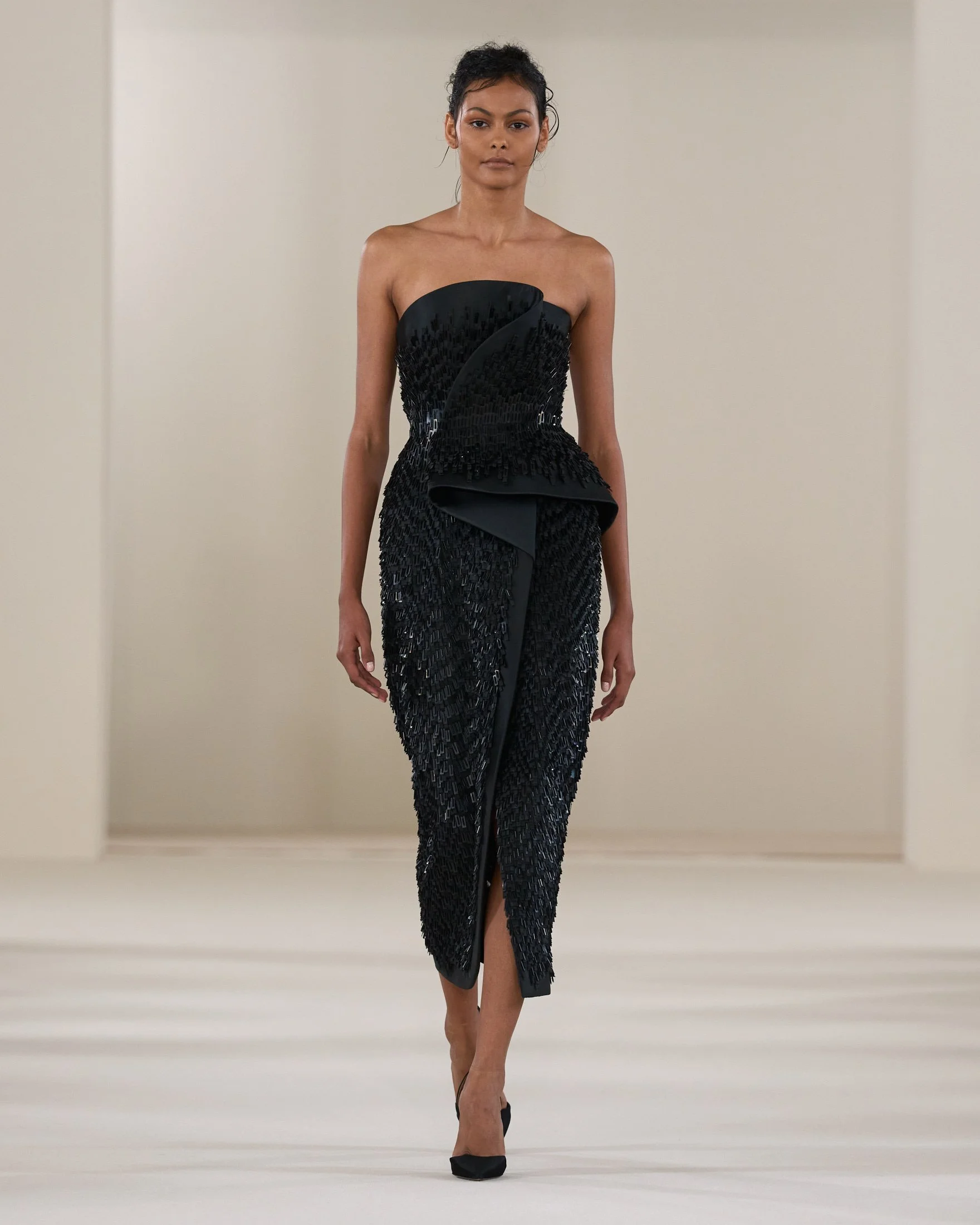
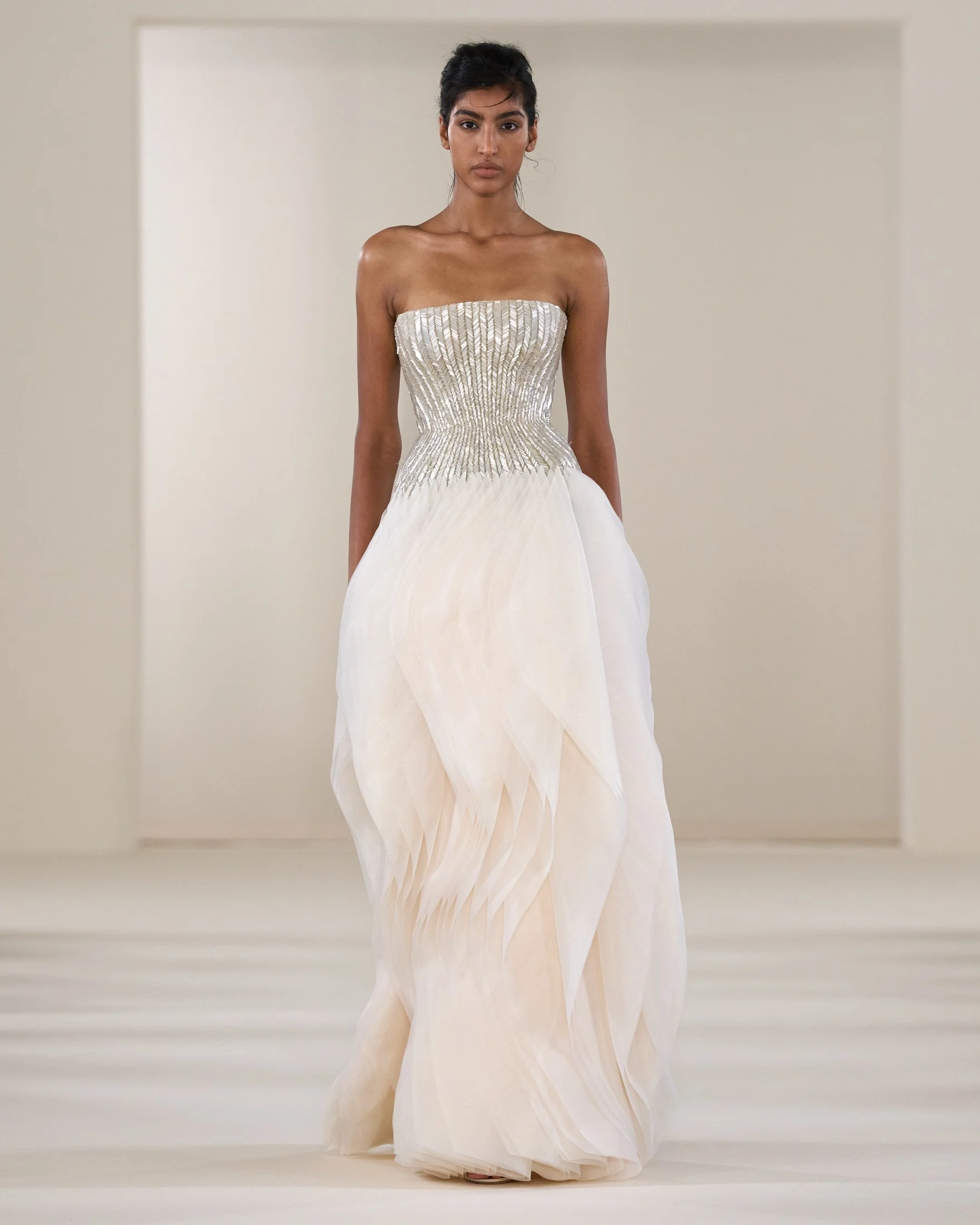
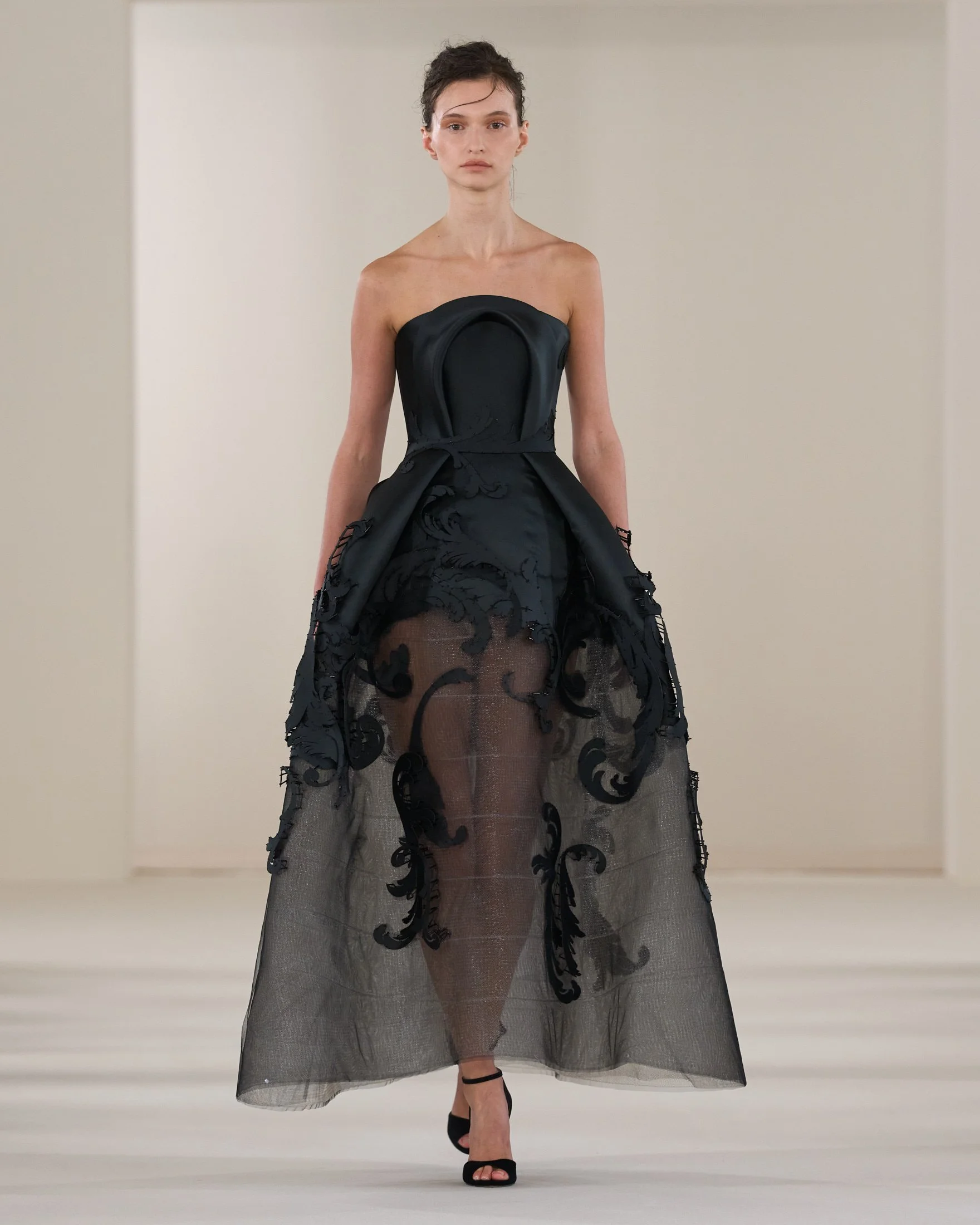
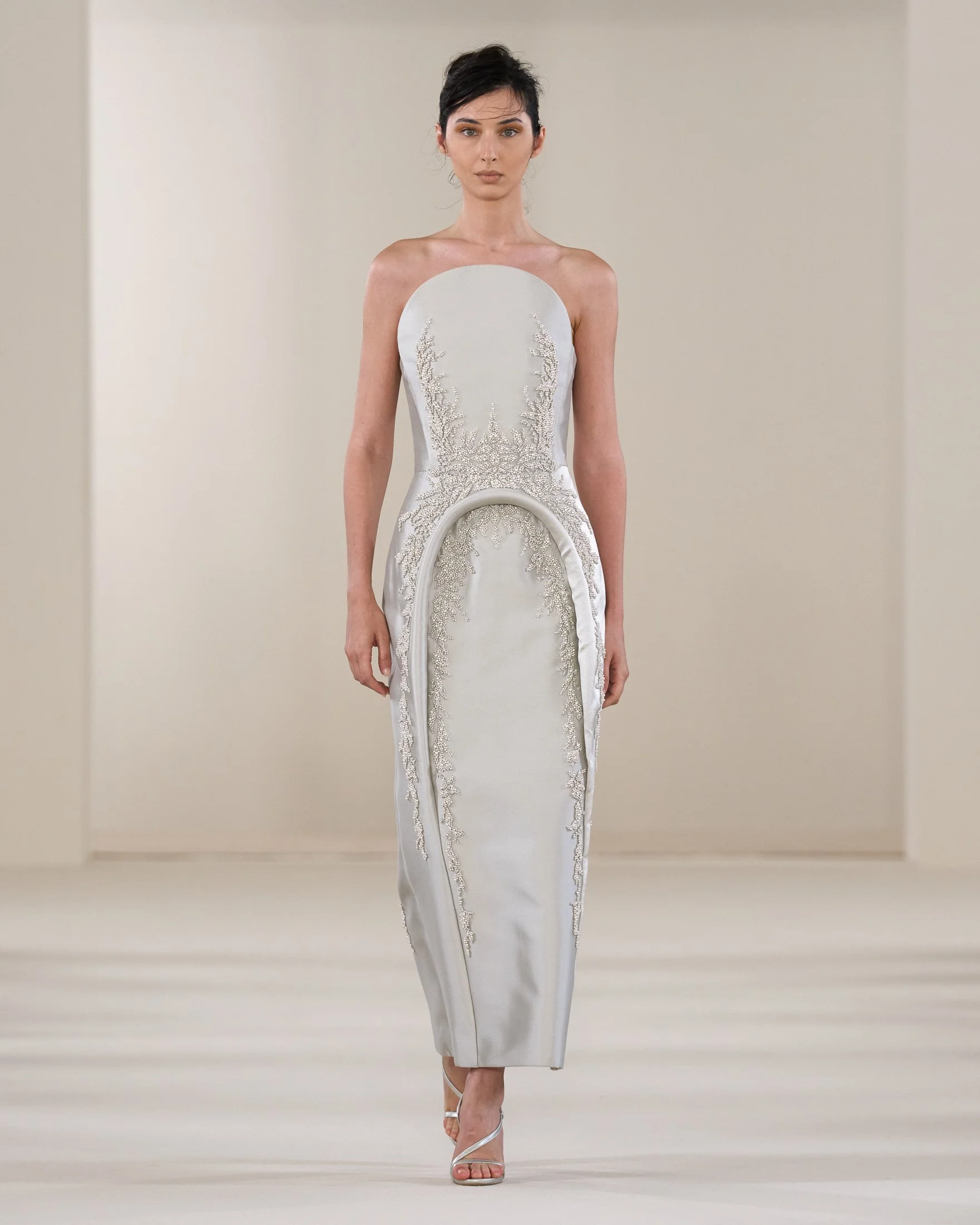
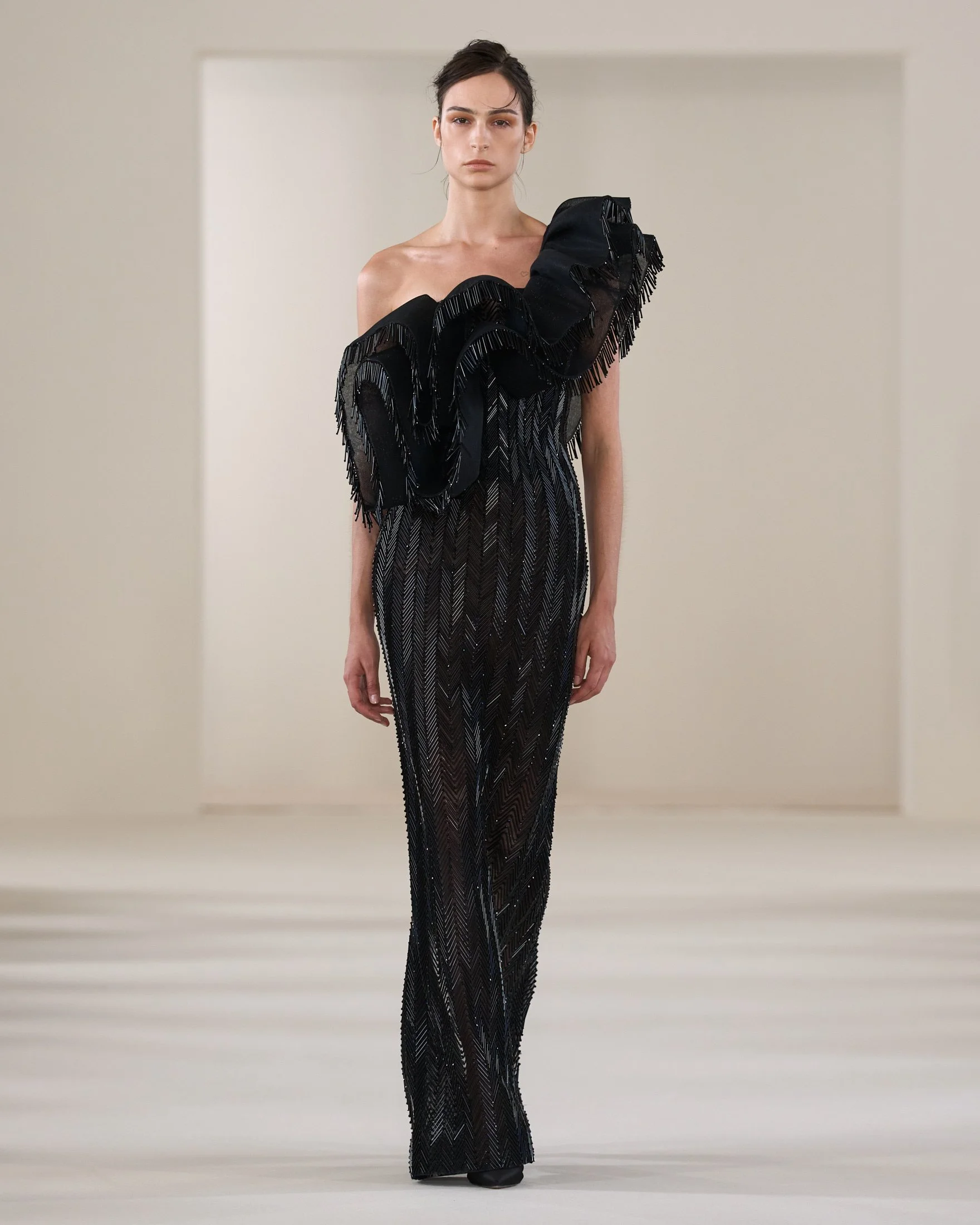
Elie Saab escaped into fantasy, where clouds became organza, flowers became silhouettes and transformation itself became the narrative.
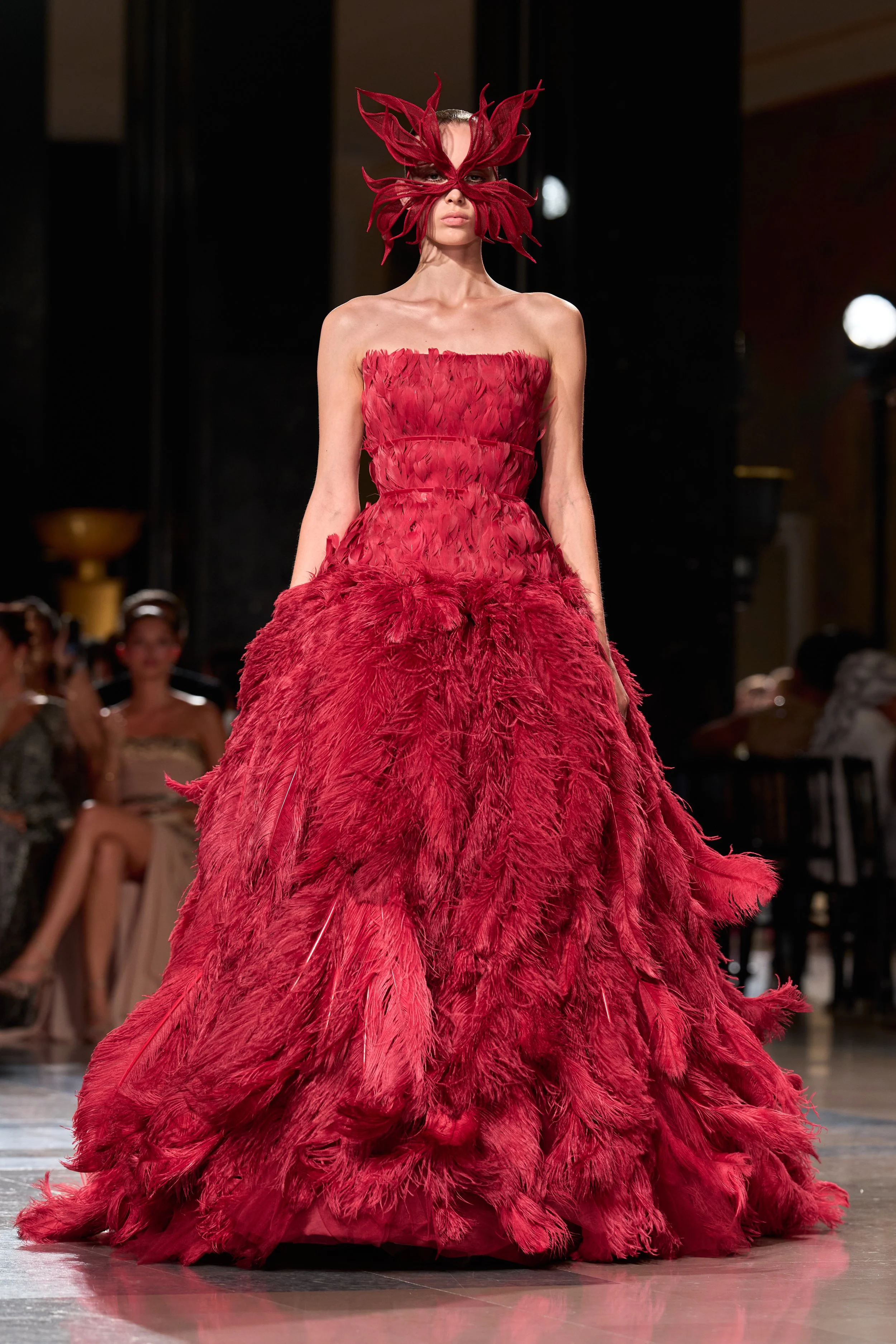
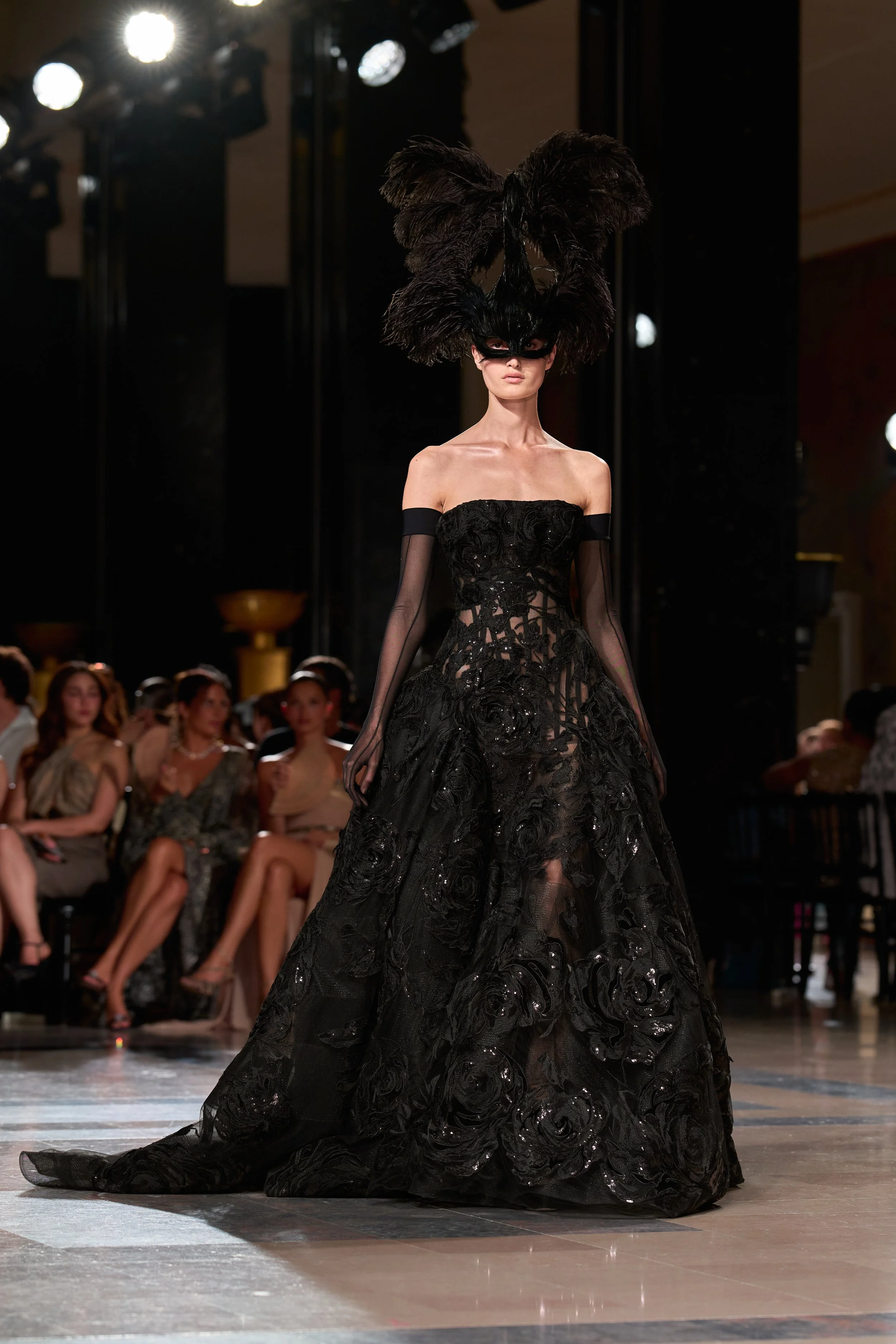
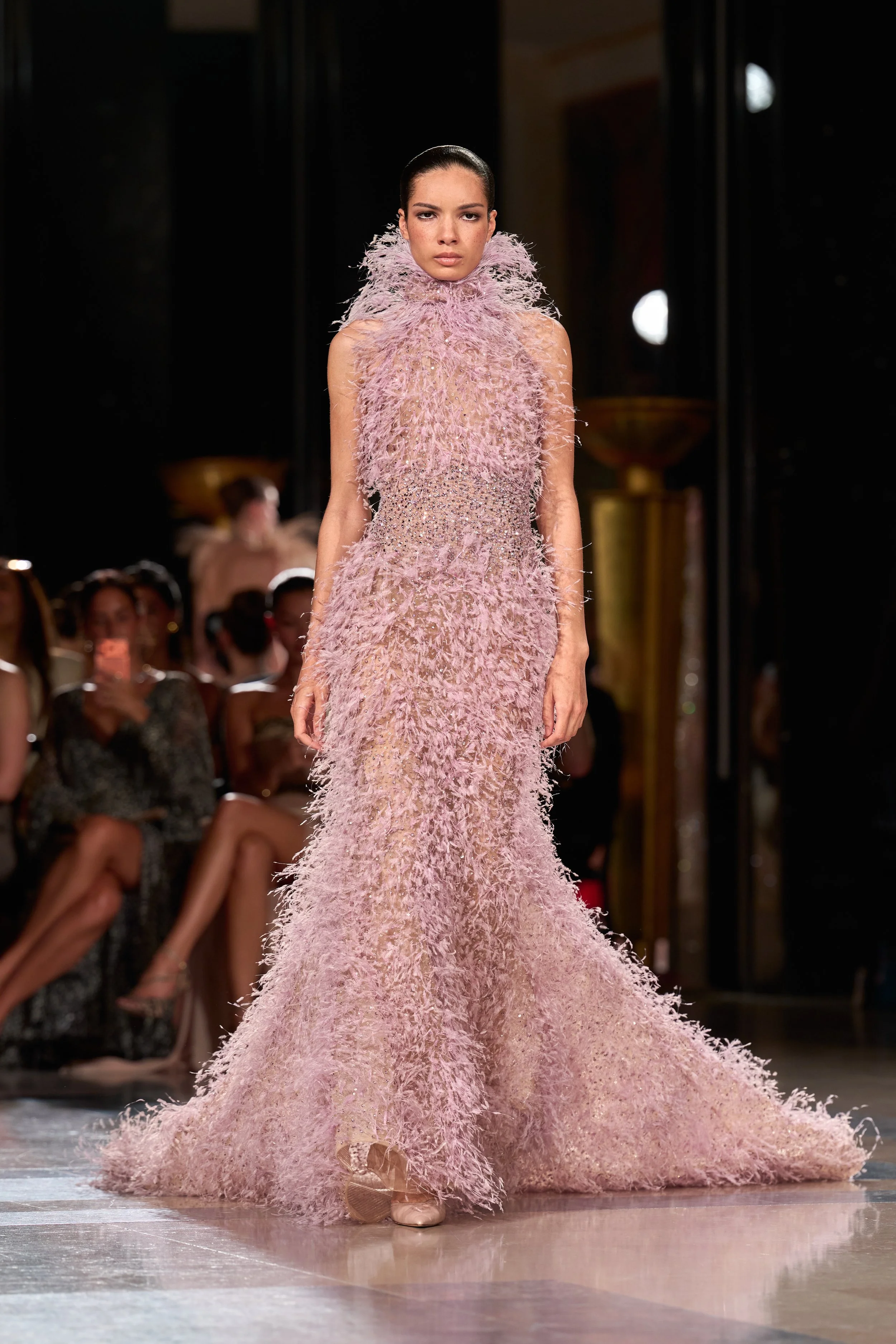
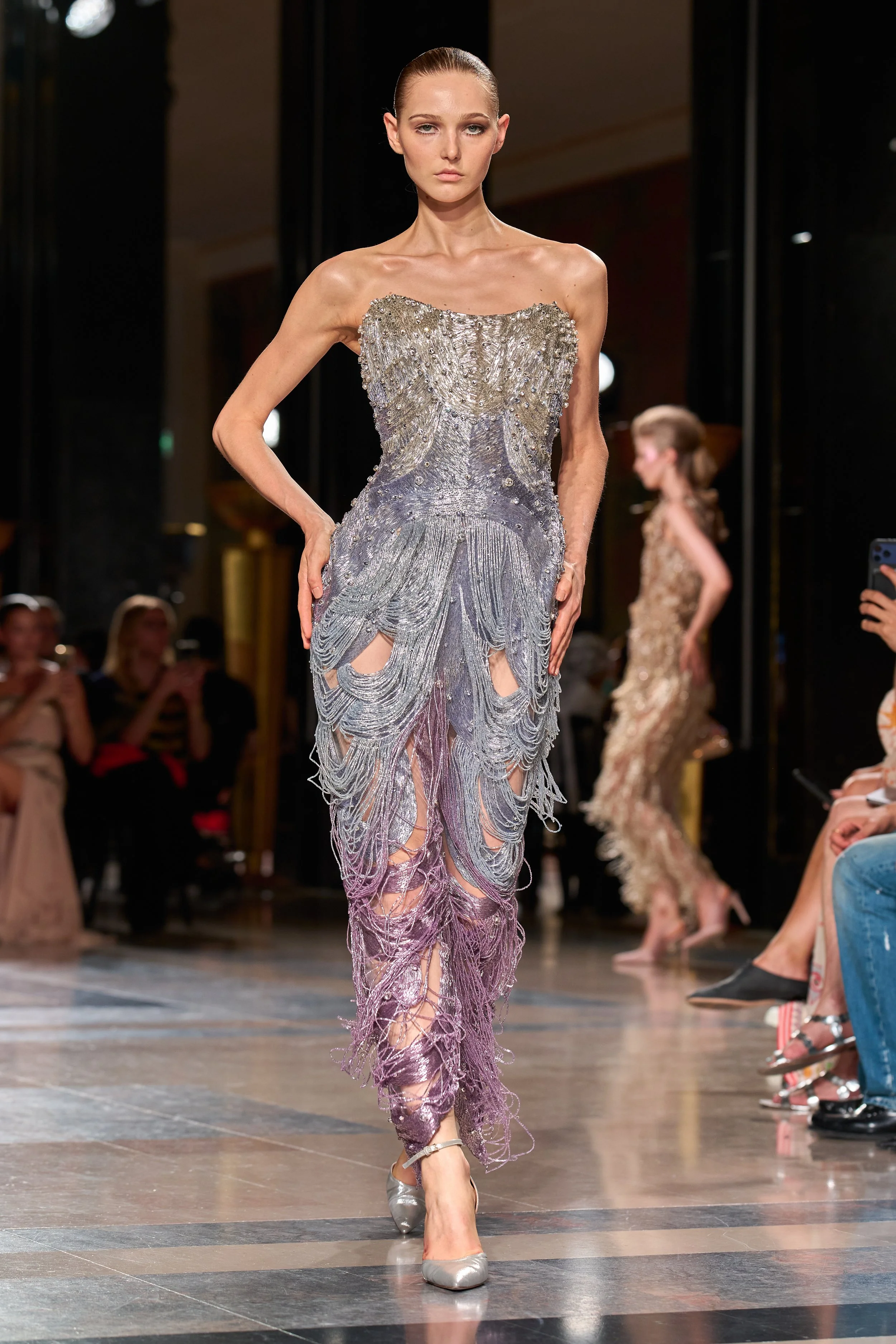
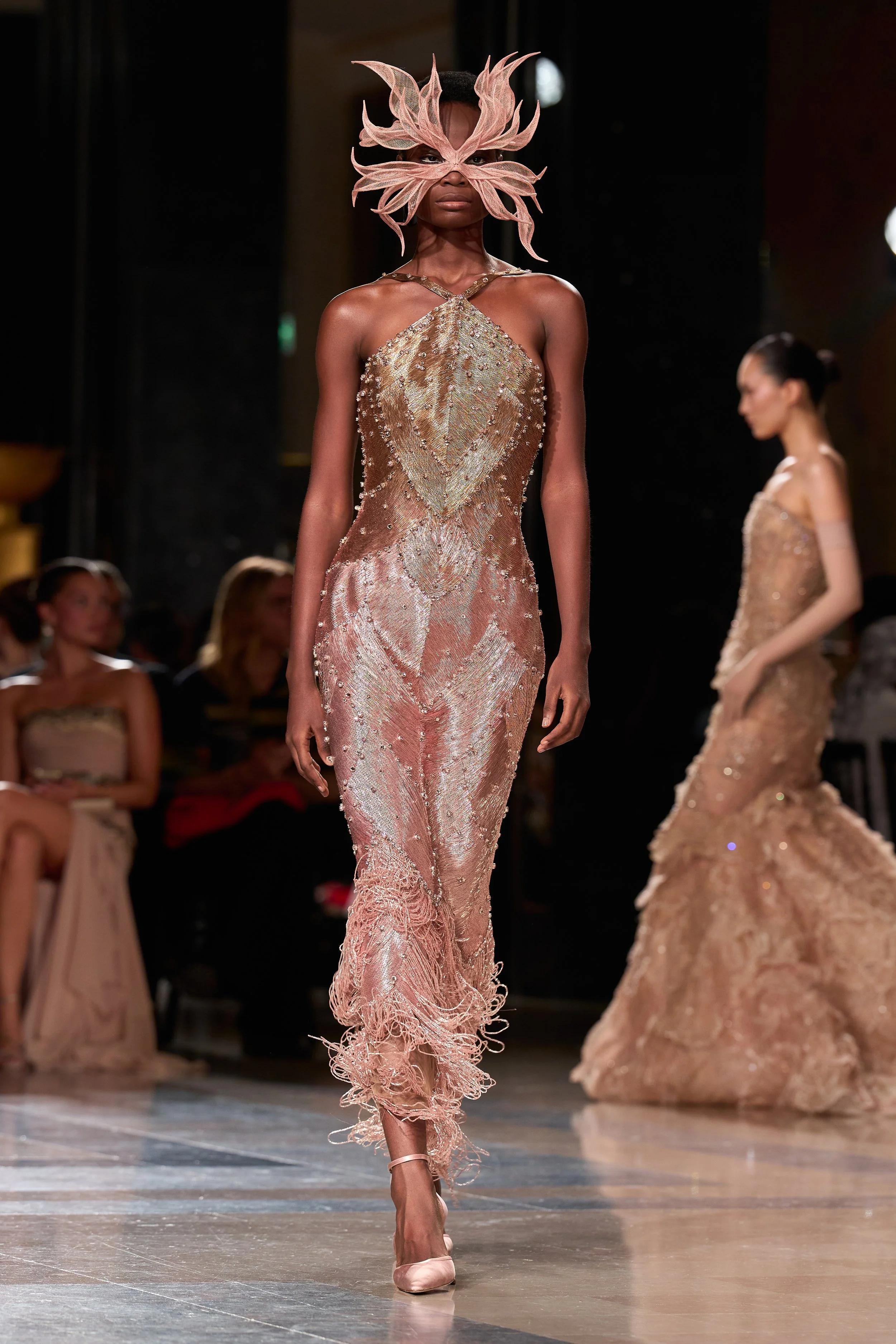
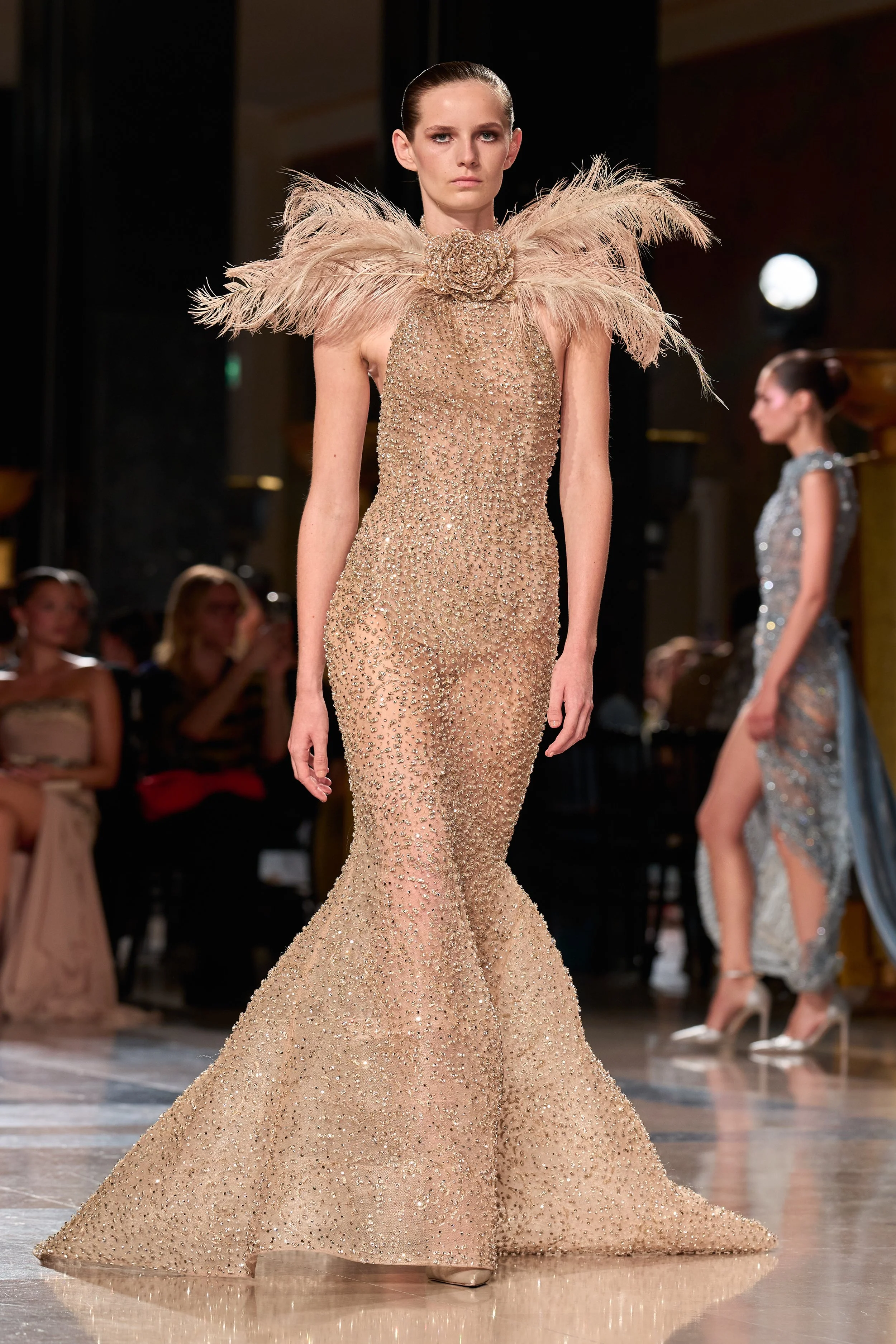
Georges Chakra explored the quiet tension between desire and impermanence, revealing the hidden architecture of couture by turning its internal construction into part of the garment's language.
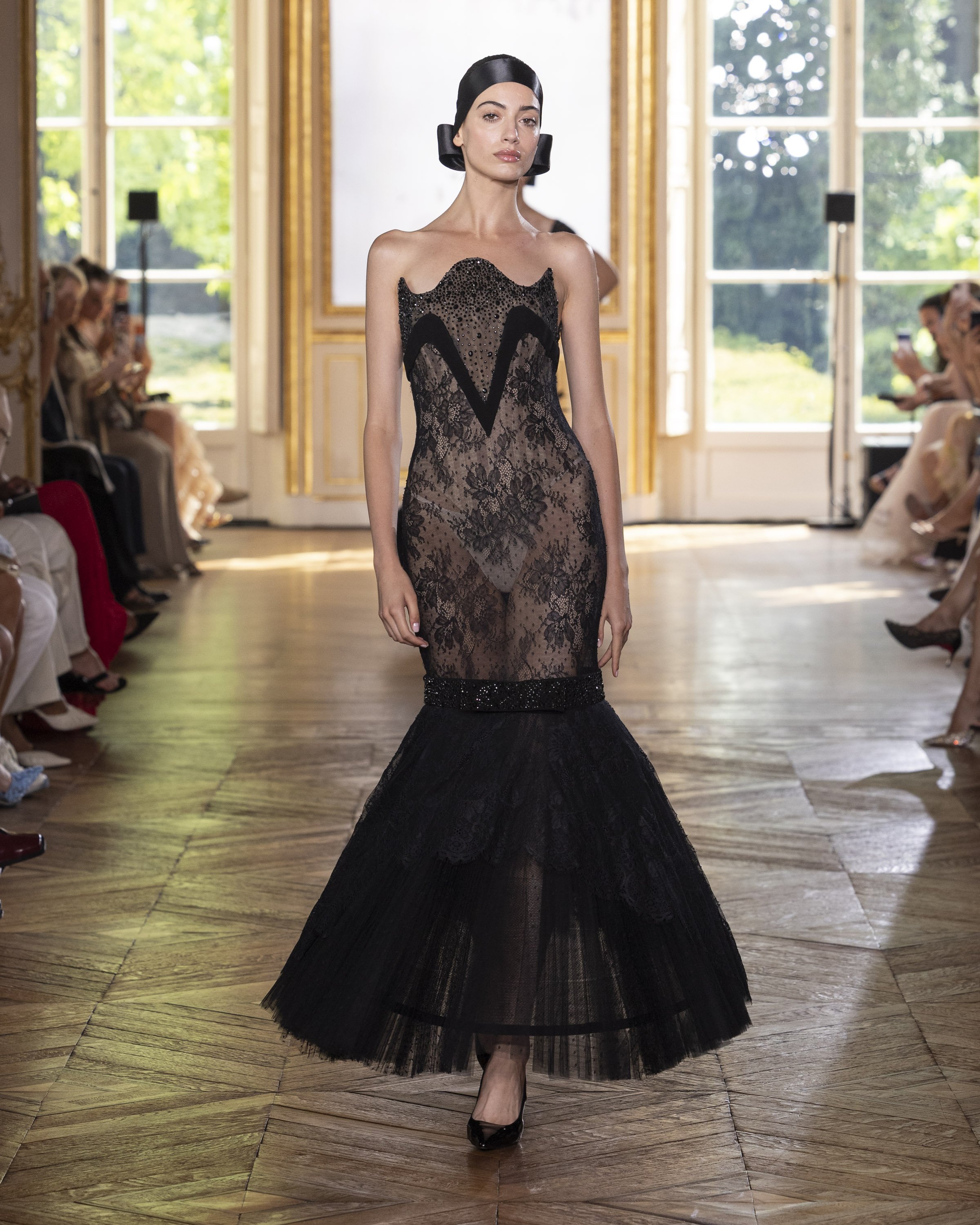
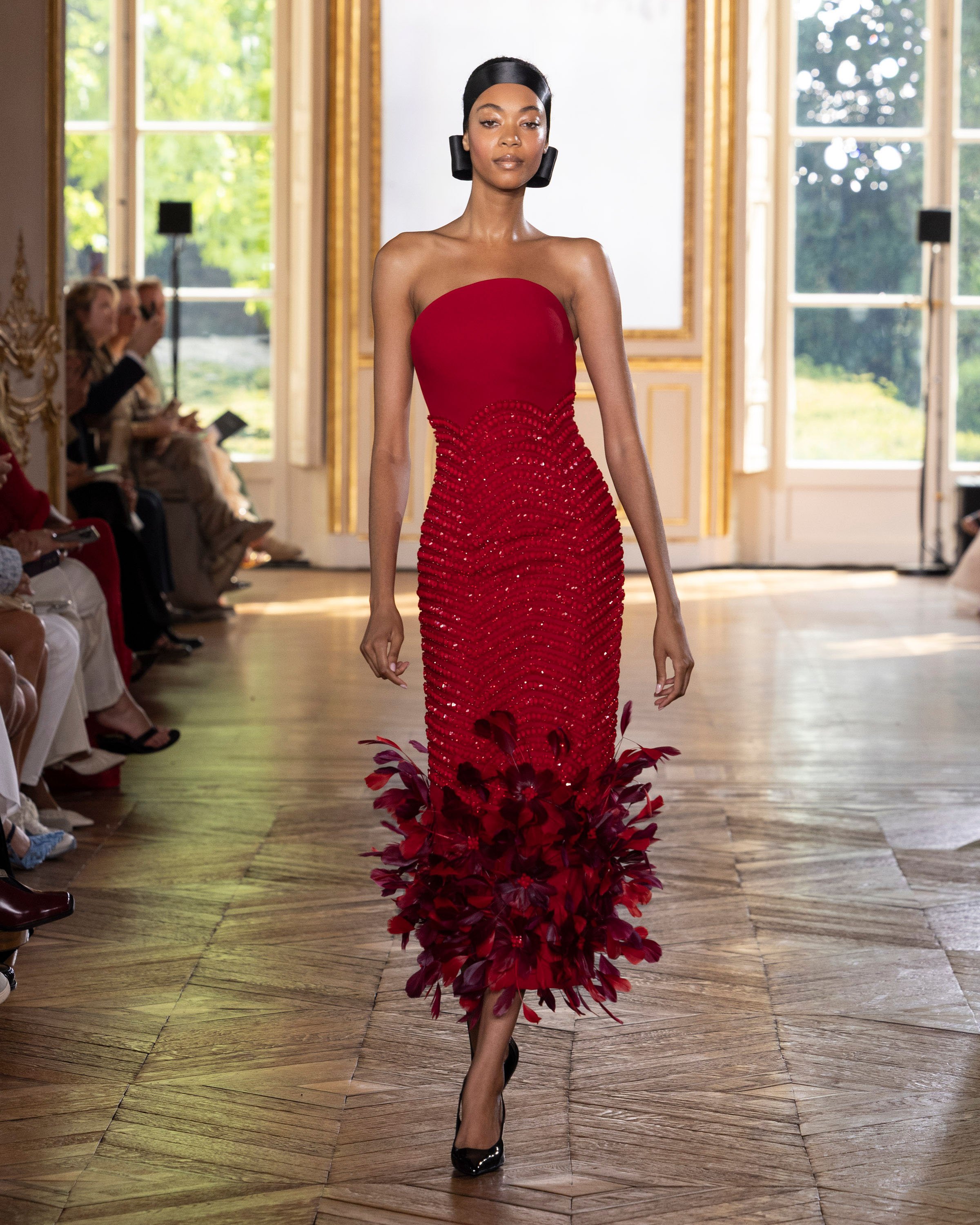
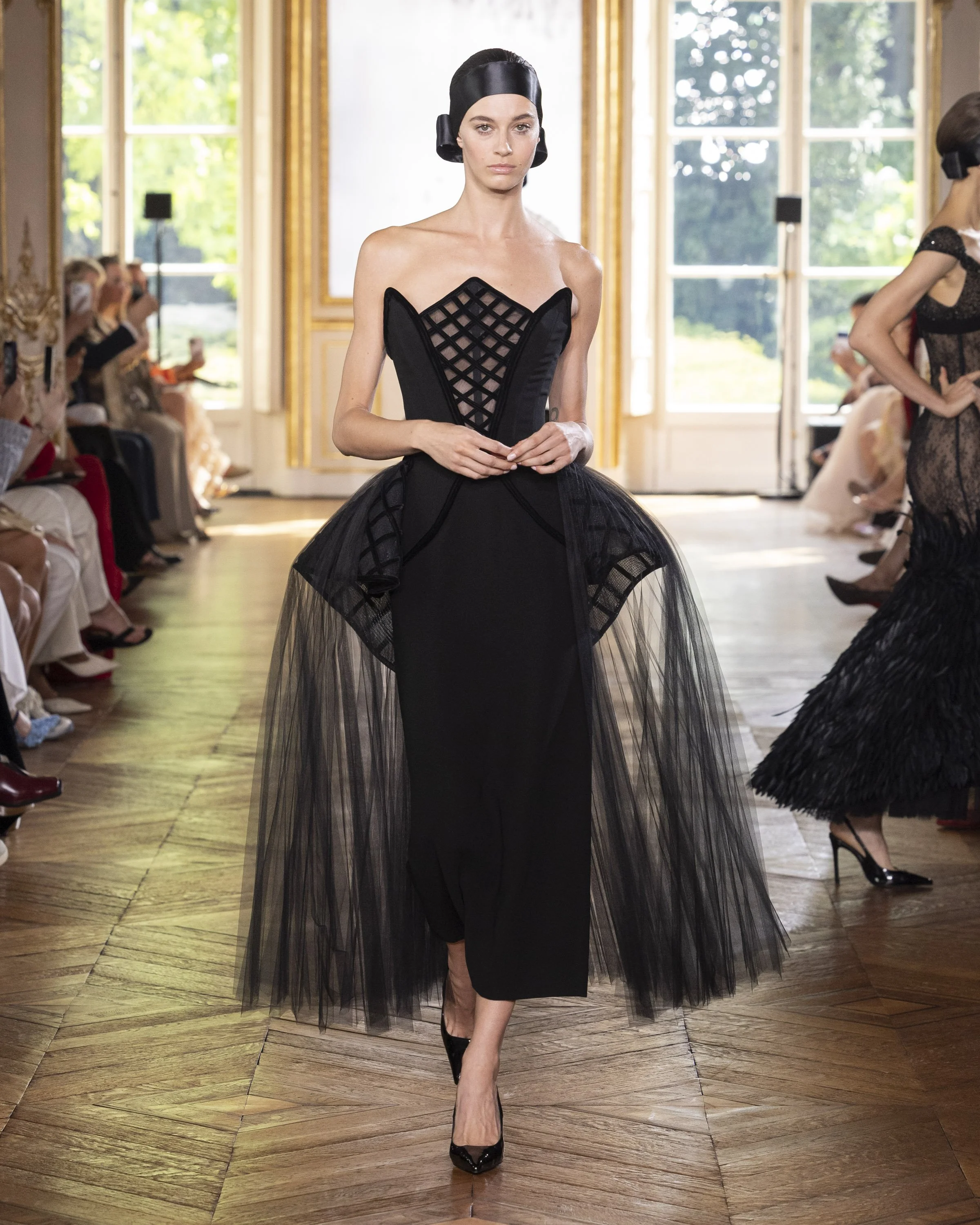
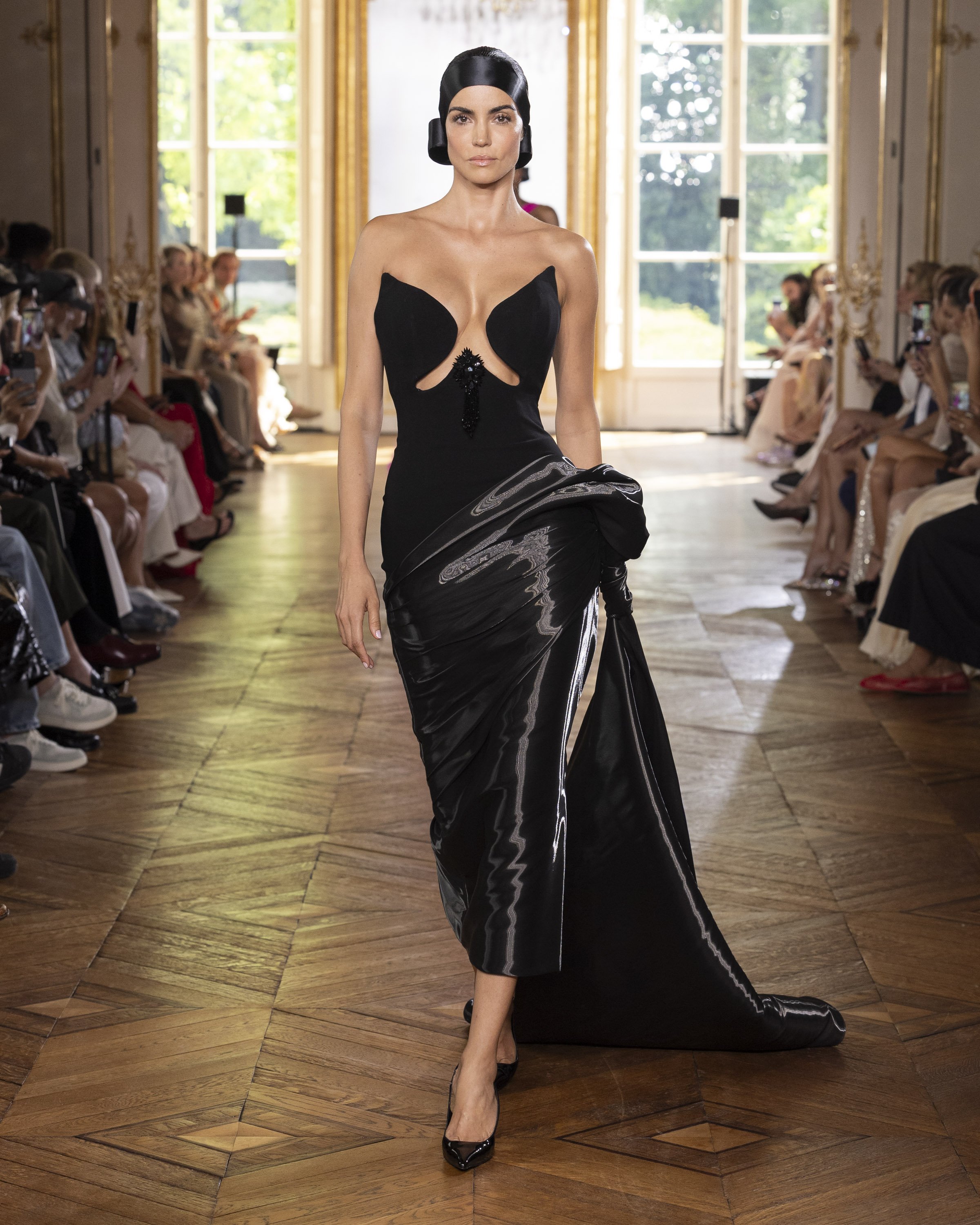
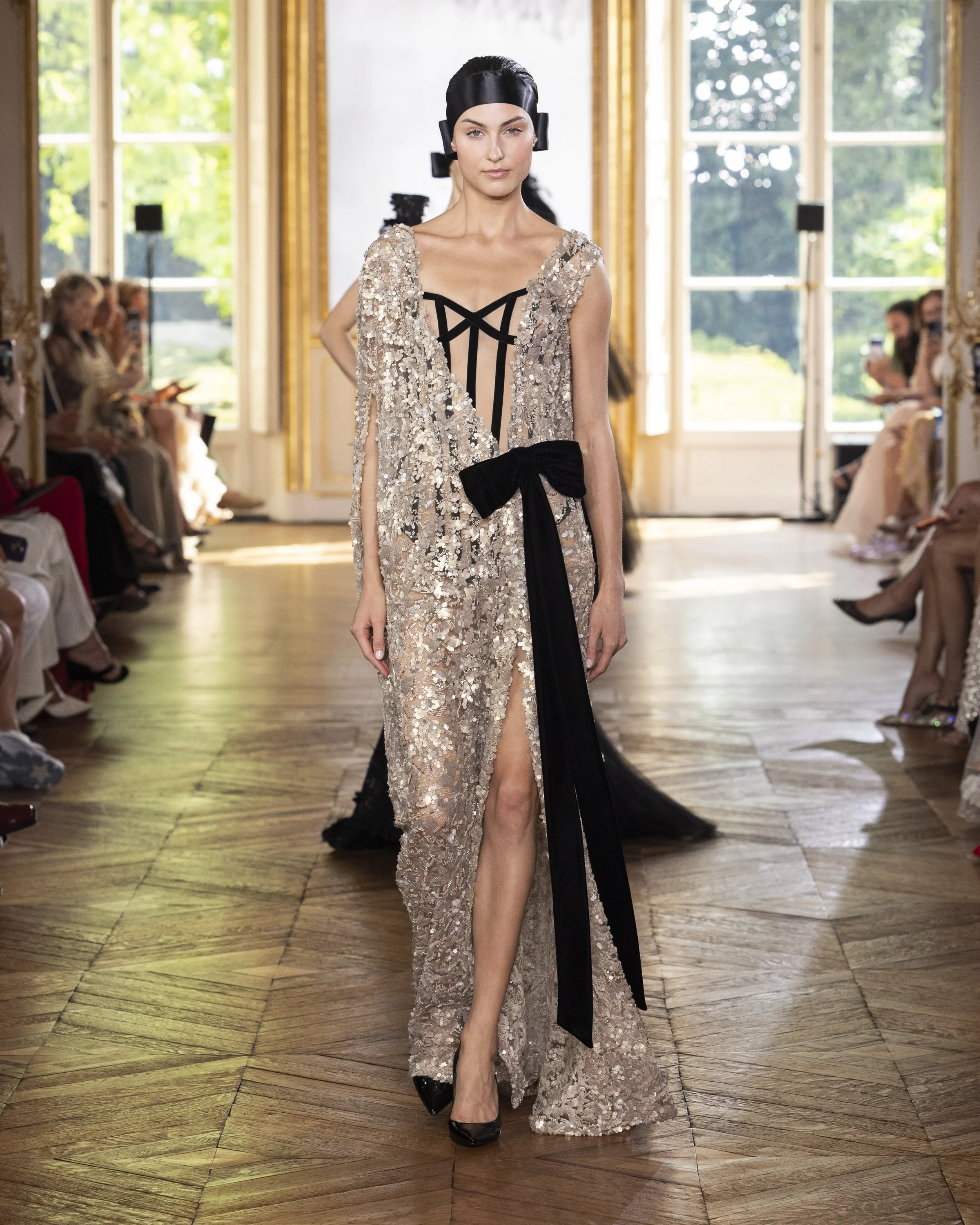
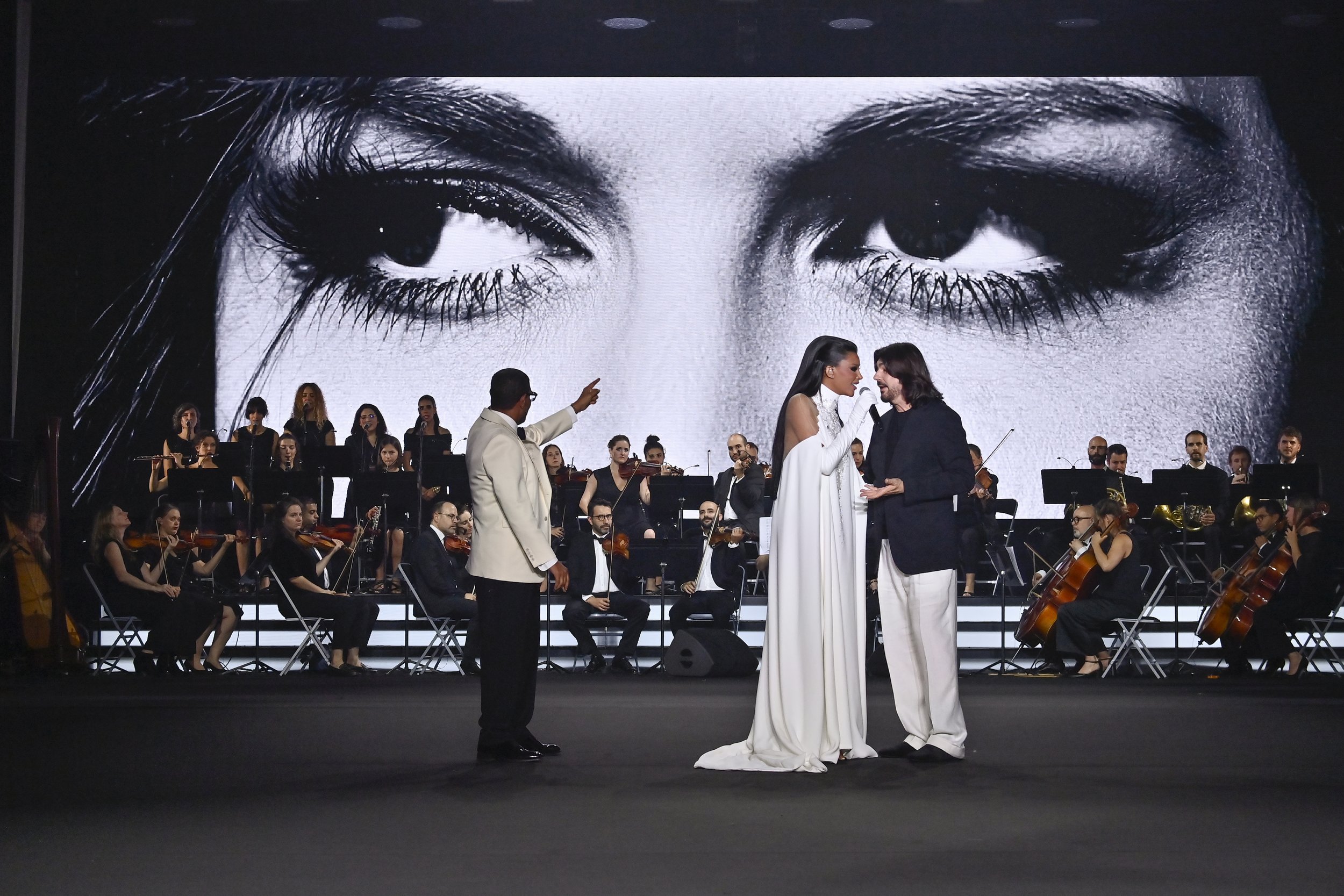
Stéphane Rolland chose neither fiction nor mythology. He returned instead to Dalida, exploring identity, fragility and the conversation between East and West through the life of a woman who embodied all three.
Reading these collections together, I found myself wondering whether the role of the story is quietly changing.
Perhaps this reflects the moment we are living in. We inhabit a culture saturated with images, where beauty is immediate, endlessly shared and instantly forgotten. The extraordinary no longer struggles to be seen; it struggles to be remembered. In that environment, a collection may need to offer something that an image alone cannot. An idea. A point of view. A reason to return.
That may explain why so many collections this season felt less concerned with asking What should a woman wear? than What should couture contribute?
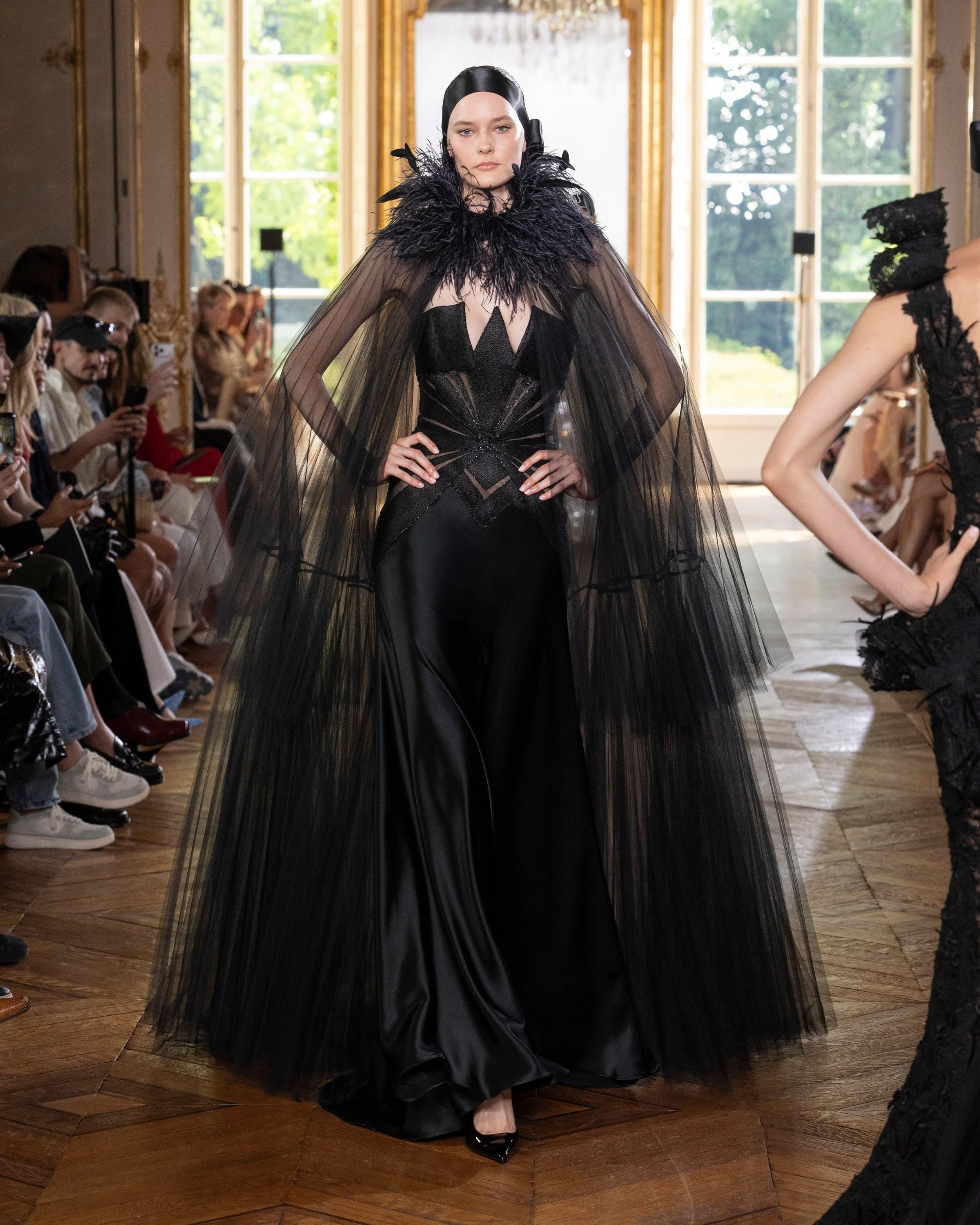
The answer, increasingly, appears to lie beyond the garment itself.
Which brings me back to the question I kept asking myself as the week unfolded.
Are we beginning to remember the stories before we remember the clothes?
Years from now, I may not immediately recall every silhouette that walked the runway this season. I suspect, however, that I will remember The Visitor. I will remember Threads of Light. I will remember The Ball of Untamed Dreams. I will remember Dalida.
That is not a criticism of fashion. It may, in fact, be its greatest achievement.
Because couture has never merely documented its time. It has always attempted to give it meaning.
And perhaps that is the real luxury today.
Not creating another beautiful dress.
Creating an idea that stays with us long after the final look has disappeared.