
From House-Centric Loyalty to Designer-Centric Fascination
Fashion has always been shaped by visionary designers, but today the industry increasingly follows the individual behind the house. The question is not whether creative directors matter. They always have. The question is why their presence now defines the conversation around luxury brands.
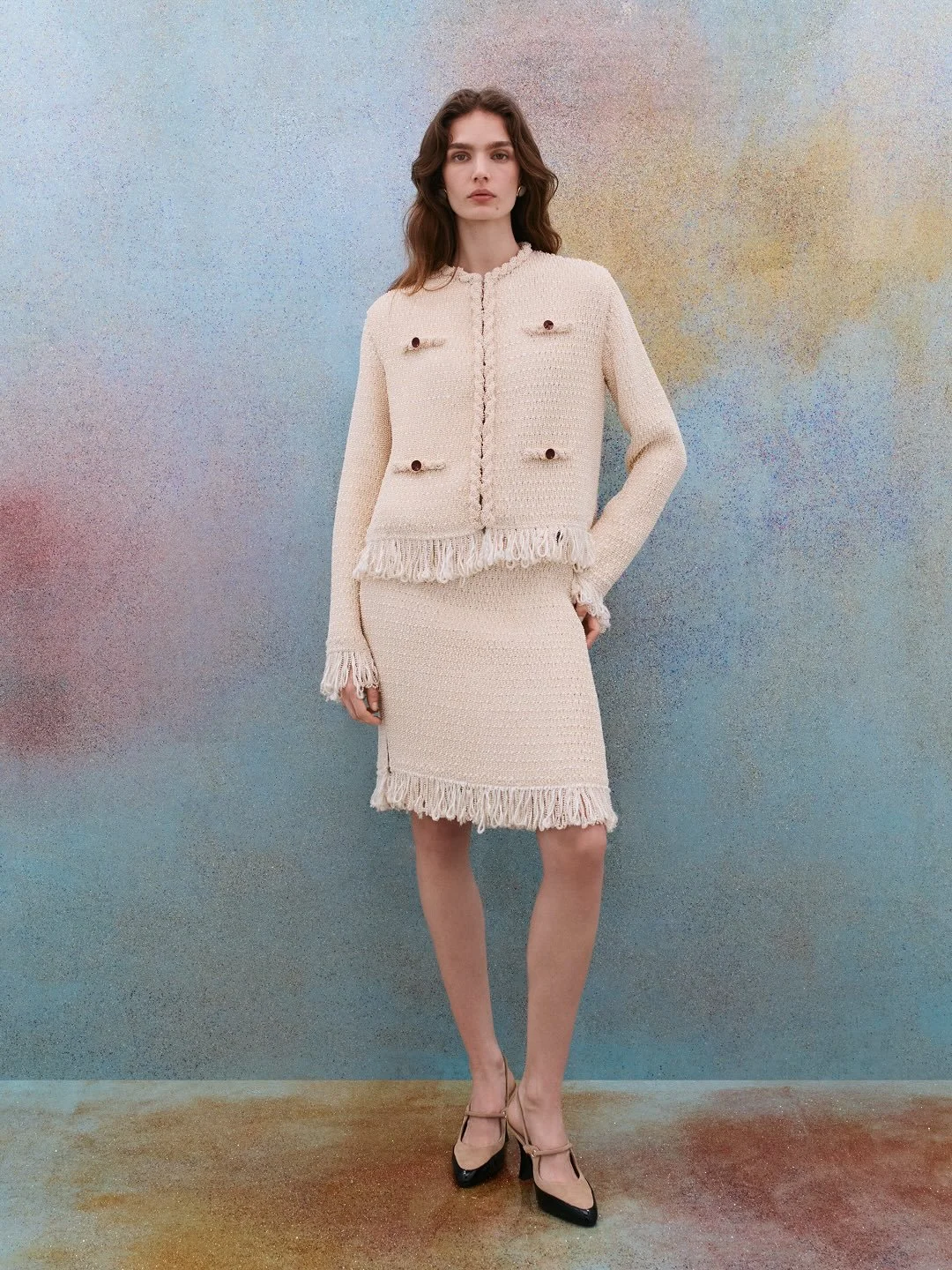
For decades, loyalty in fashion belonged to the house.
One followed Chanel, Dior, or Gucci. The name on the label carried the weight of heritage, ateliers, archives, and the codes that defined each brand’s identity. Designers came and went, but the house remained the anchor.
Today the conversation often begins elsewhere.
We speak of Chanel under Matthieu Blazy, Dior under Jonathan Anderson, or Givenchy under Sarah Burton. The arrival of a creative director signals a new chapter that the industry follows with anticipation.
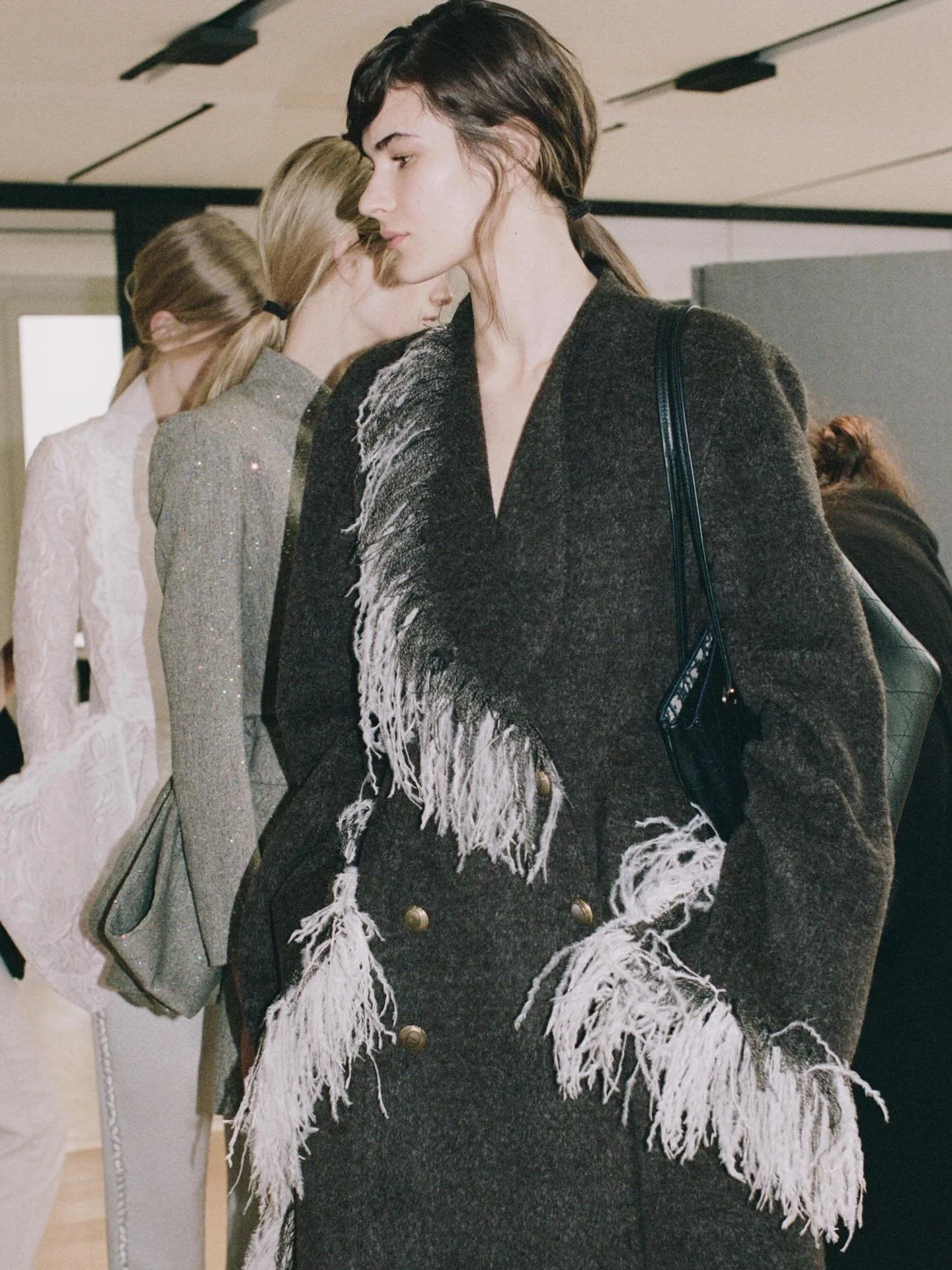
The shift feels recent, yet the role of the designer has always been central. Fashion history is filled with eras shaped by powerful creative figures. Tom Ford transformed Gucci in the 1990s, turning the brand into the defining symbol of sleek, provocative luxury. John Galliano brought theatrical drama to Dior, redefining the house’s couture imagination for an entire generation.
Designers have always shaped fashion. What has changed is the way the industry frames their influence.

Three forces have amplified this shift.
The first is narrative. Fashion media increasingly centers the conversation on the vision of the creative director. Coverage focuses on how a designer interprets archives, reworks house codes, and reshapes the identity of a brand. A debut collection is now read as the opening of a new era.
The second is visibility. Social media amplified designer identity. Instagram and fashion media turned designers into recognizable personalities whose creative voice carries cultural weight. When they move houses, their audience moves with them.
The third is the growing fascination with fashion eras. Luxury houses are increasingly understood through the chapters defined by their creative leaders. Each tenure becomes a moment of reinvention, a distinct period in the brand’s history. This storytelling helps the industry generate constant renewal and anticipation.
Yet the relationship between house and designer has never been one of hierarchy.
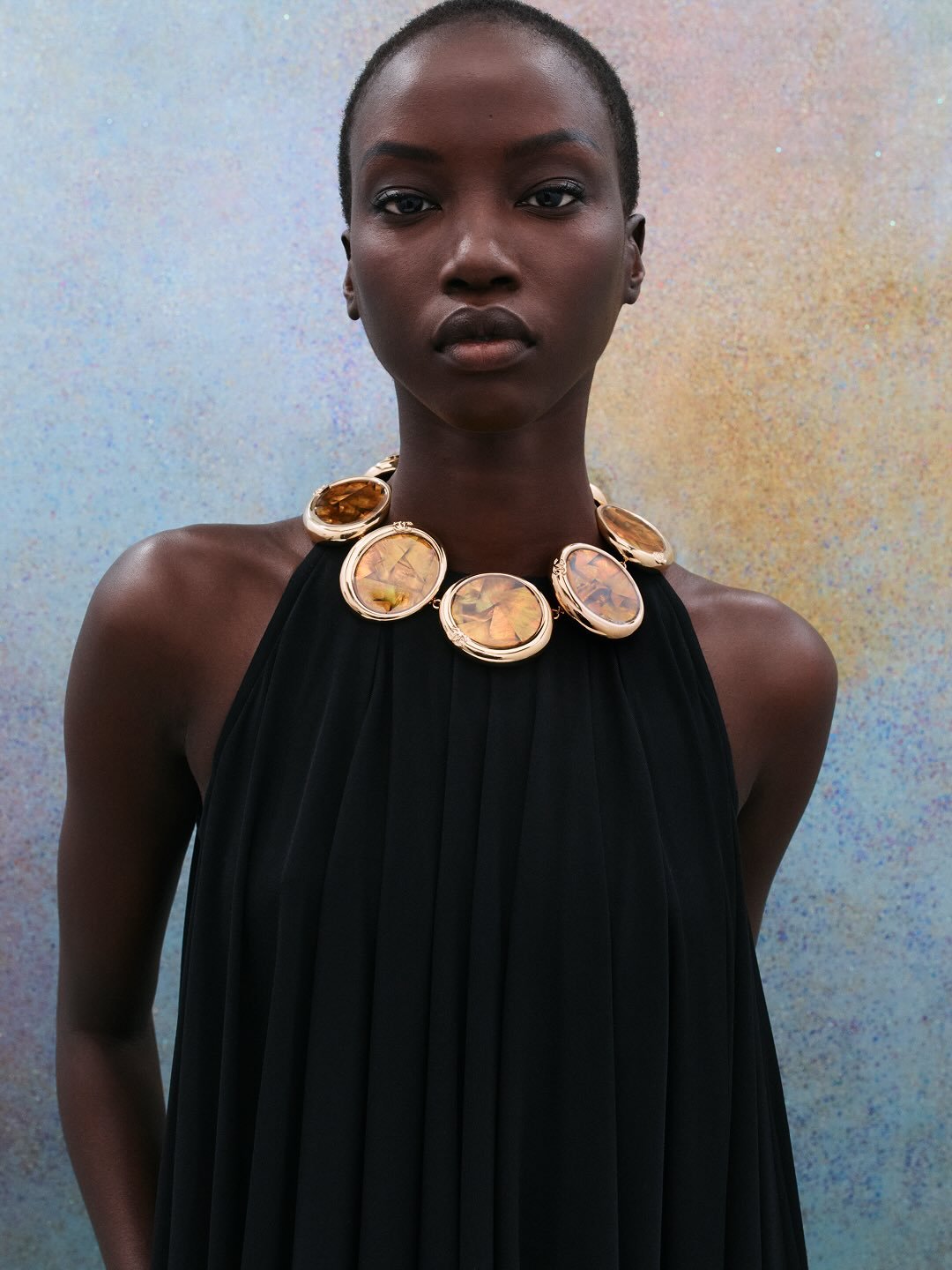
Luxury houses carry archives, ateliers, and decades of identity. Creative directors bring interpretation, vision, and momentum. When the alignment is right, the result can redefine a brand entirely. Tom Ford did not simply continue Gucci. He reshaped it. John Galliano did not merely design for Dior. He expanded its theatrical imagination.
Fashion thrives on this balance. The house provides the foundation. The designer gives it direction.
What has changed is not the importance of either. It is the way the industry now watches the dialogue between them.
We no longer follow the house alone.
We follow the mind guiding it.
