There is a very specific kind of smallness that has always bothered me. Not physical smallness, but the kind we are taught to perform. Be ambitious, but be realistic. Be confident, but not arrogant. Dress up, but do not look like you tried too hard. Stand out, but not so much that people think you are asking for attention. Succeed, but remain easy to digest. Somewhere along the way, we learn that there is a correct amount of everything. A correct amount of ambition, glamour, confidence, desire, visibility. Enough to be admired, never enough to make anybody uncomfortable.
BASIL SODAI have always hated that negotiation, probably because I recognise it in myself. I have been told to be realistic about the things I want. Not always directly, and rarely dramatically. Sometimes it is just the reaction you get when you say something out loud that sounds too large. A look. A joke. A suggestion that perhaps there is a more sensible version of the dream. You brush it off, but some of it stays with you. Before long, you start doing the editing yourself. You make the ambition slightly smaller before presenting it to the world. You soften the thing before anybody has asked you to. That, to me, is where smallness becomes interesting. It is not always imposed on us. Eventually, we become very good at imposing it on ourselves.
ABBAS HARAJLIThat thought became the starting point for Small Enough. The title is almost a question disguised as a statement. Small enough for whom? Quiet enough for whom? Pretty enough? Successful enough? Visible enough? I became interested in what happens when you stop measuring yourself against those invisible limits.
And one question kept returning to me: why is a woman who occupies too much space so quickly described as excessive?
KHALED & MARWANBy space, I do not only mean physical space. I mean visual space, social space, emotional space. The space taken by glamour, ornament, confidence, ambition, colour, attention, desire. All the things we tend to admire right up until they cross some invisible threshold and become too much. There is something fascinating about the way excess becomes an accusation. Too much fabric. Too much ambition. Too much woman. As though there is some ideal proportion of a person that remains impressive without ever becoming inconvenient.
That was the tension I wanted to photograph.
AZZI & OSTAFashion was the perfect language for it because fashion already understands excess. It knows how to exaggerate a shoulder, extend a train, enlarge a silhouette, pile ornament onto ornament and turn beauty into something almost confrontational. But I never wanted this story to become a simple equation where bigger clothes meant a bigger woman. That felt too easy. Smallness is much more complicated than size.
What interested me was presence.
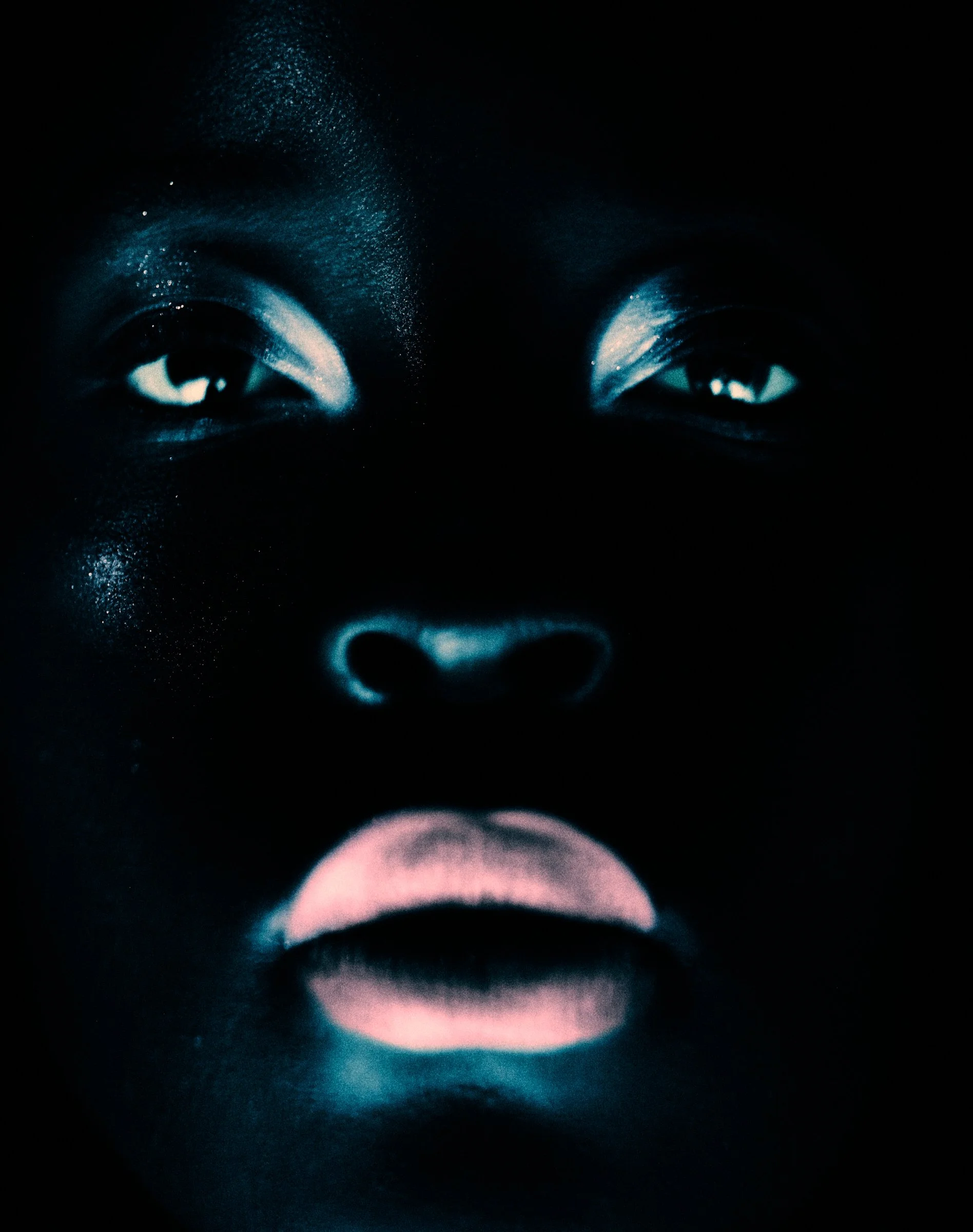
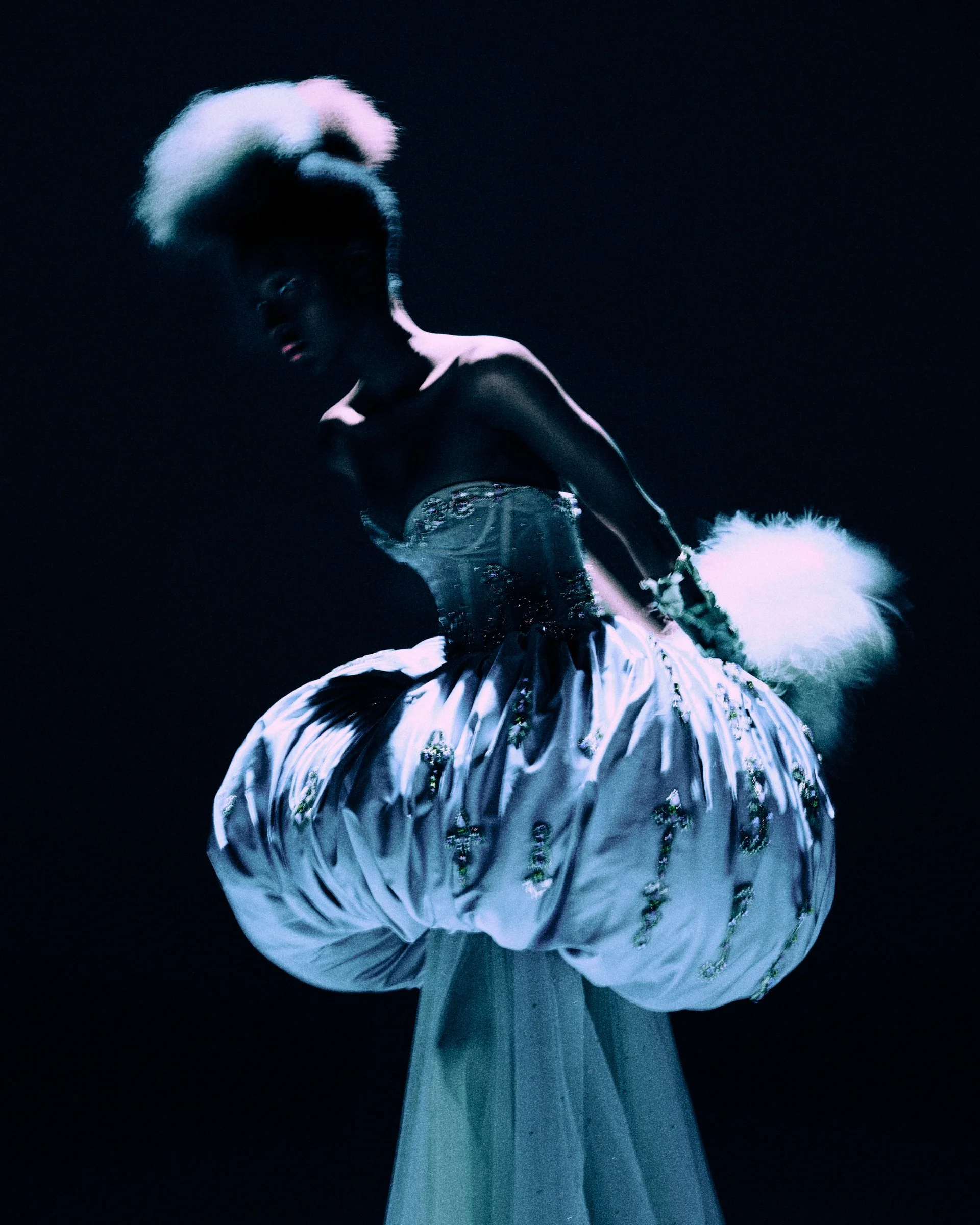
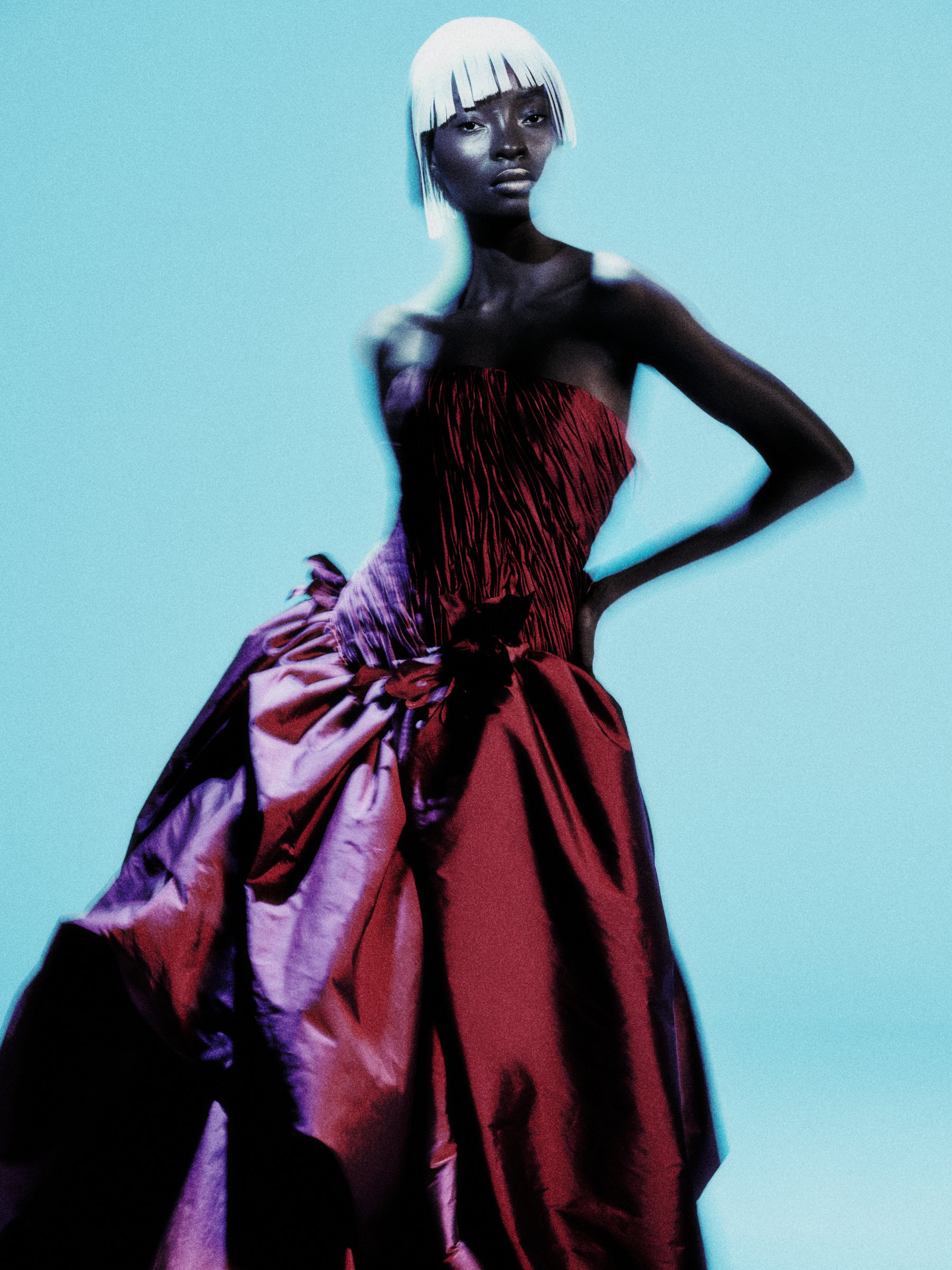
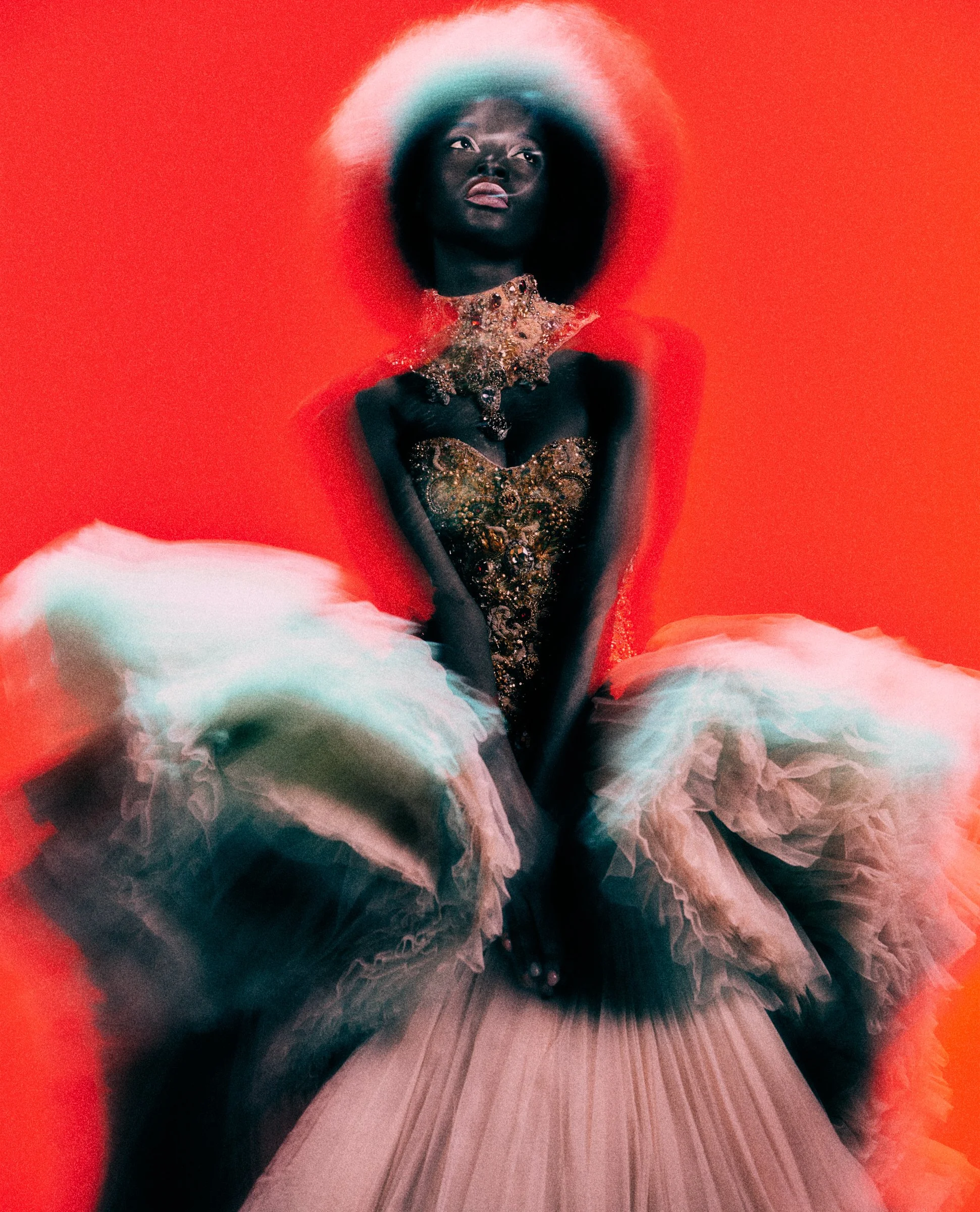
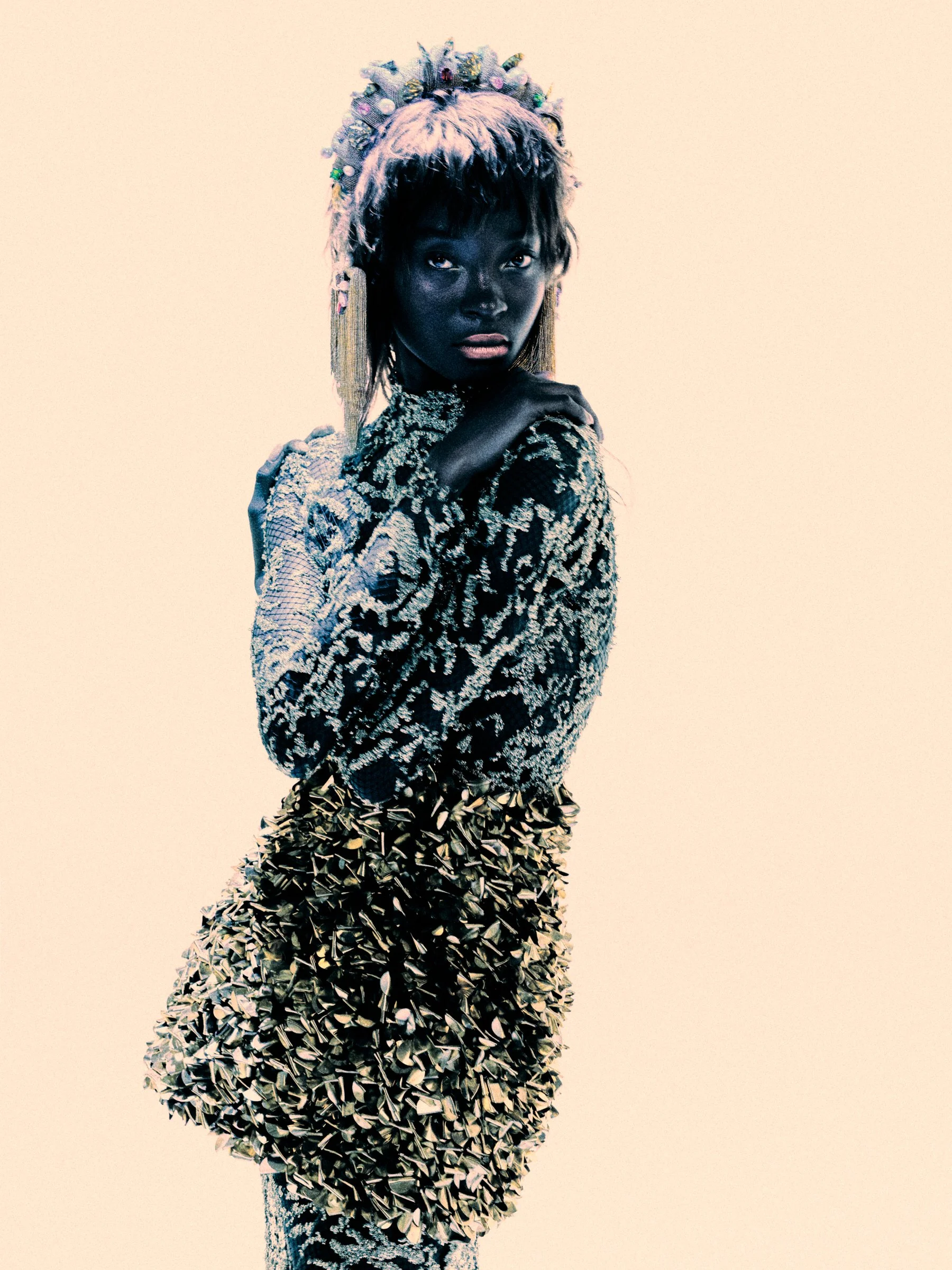
A woman can take up an enormous amount of space in a narrow dress. She can dominate an image through colour, shine, ornament, stillness, severity, glamour. A headpiece can change the scale of a body. Hair can become architecture. A surface can catch so much light that it becomes impossible to ignore. Sometimes the most excessive thing in a photograph is not the garment at all. It is the refusal to disappear inside it.
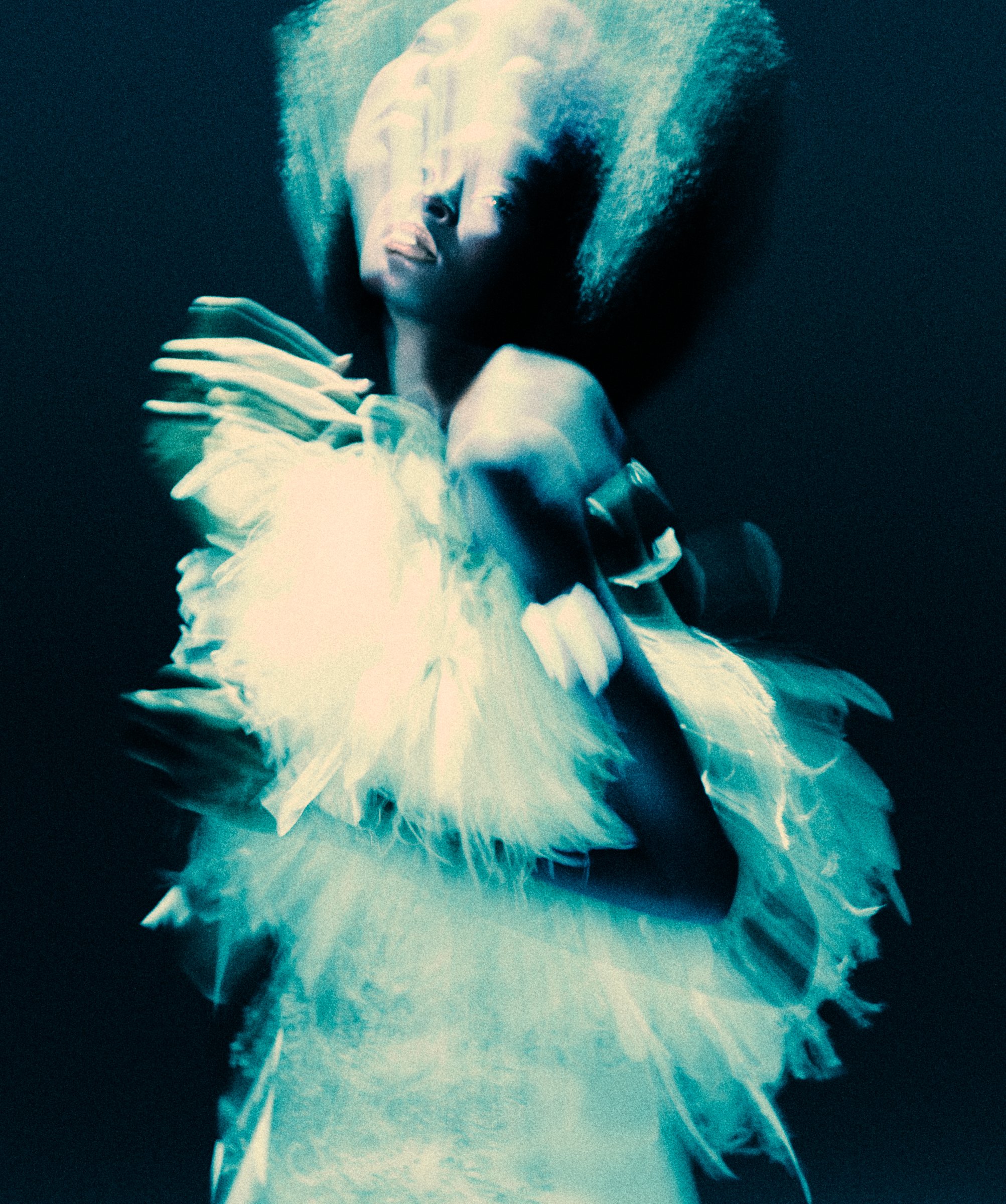
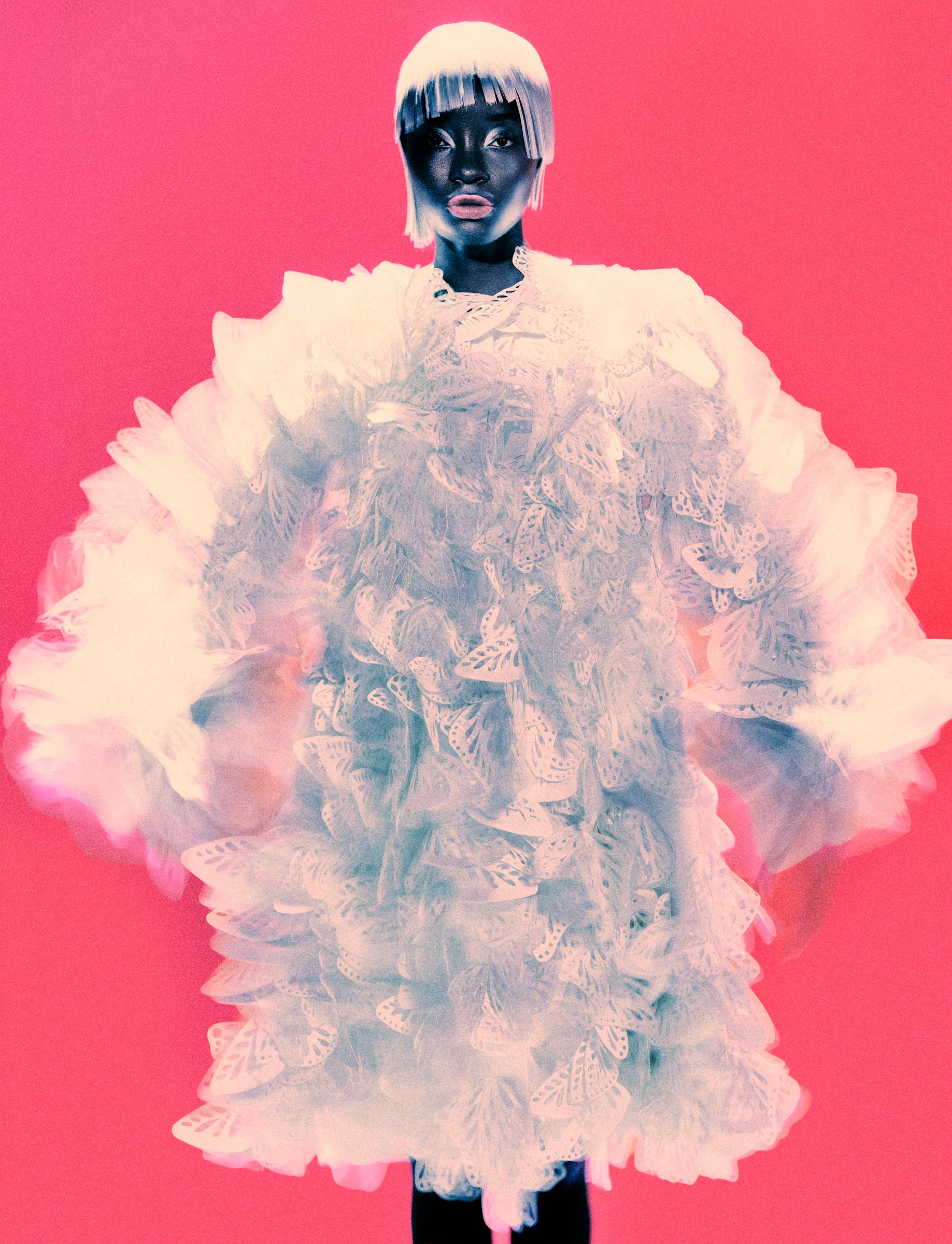
KRIKOR JABOTIANThat became the world I wanted for Small Enough. I wanted fashion that felt unapologetic about being noticed. Ruffles that kept going. Embellishment that did not know when to stop. Shapes that pushed outward instead of folding inward. Beauty that had edge, structure and presence rather than simply prettiness. I wanted the images to feel as though restraint had briefly lost its authority.
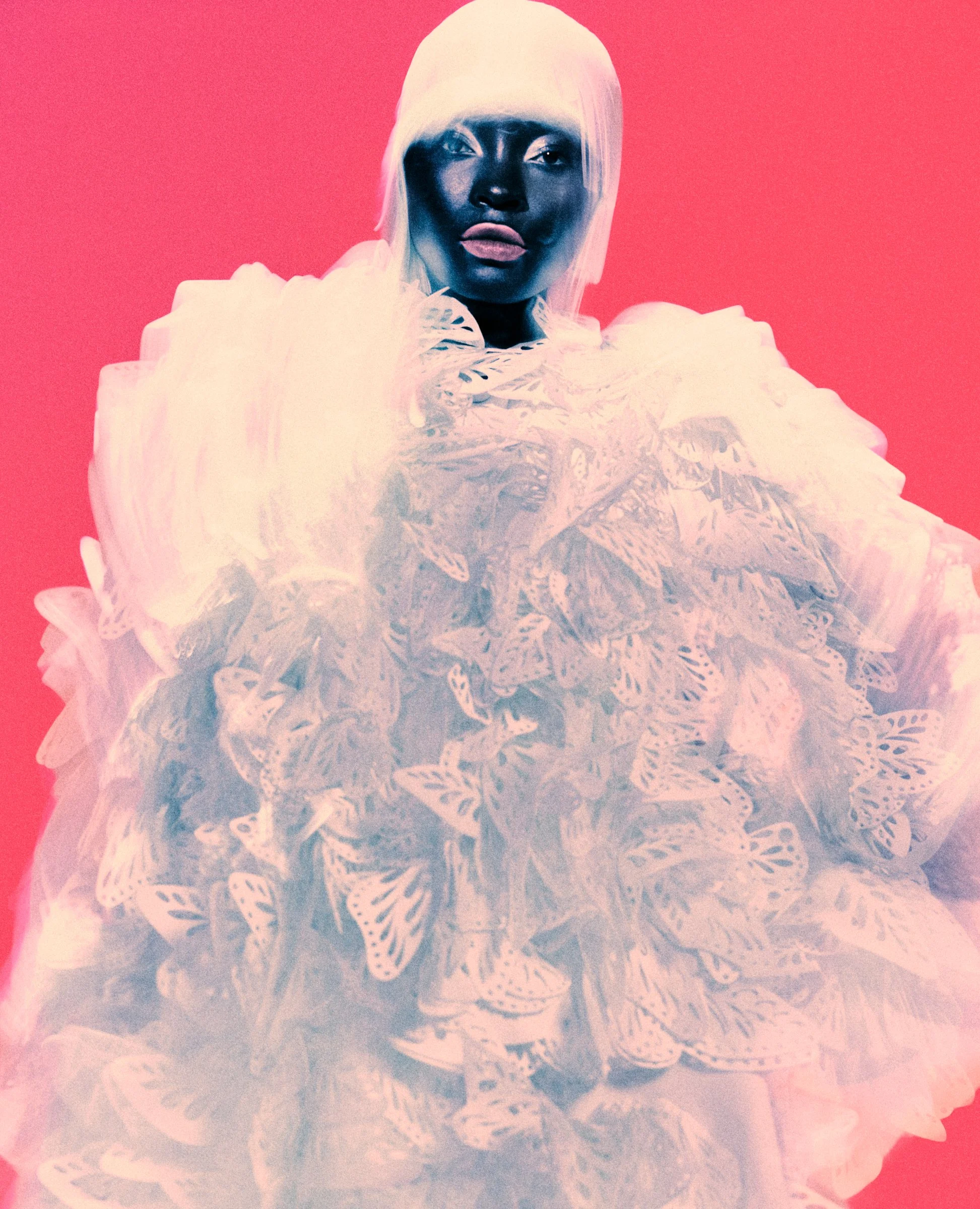
GEORGES HOBEIKABut I also did not want aggression. That distinction mattered to me. I was not interested in the familiar image of female power where strength has to be performed loudly enough for us to understand it. I did not need rebellion in every pose. I did not need a woman proving that she belonged in the frame. I wanted something much more settled than that.
The woman I imagined had already stopped asking.
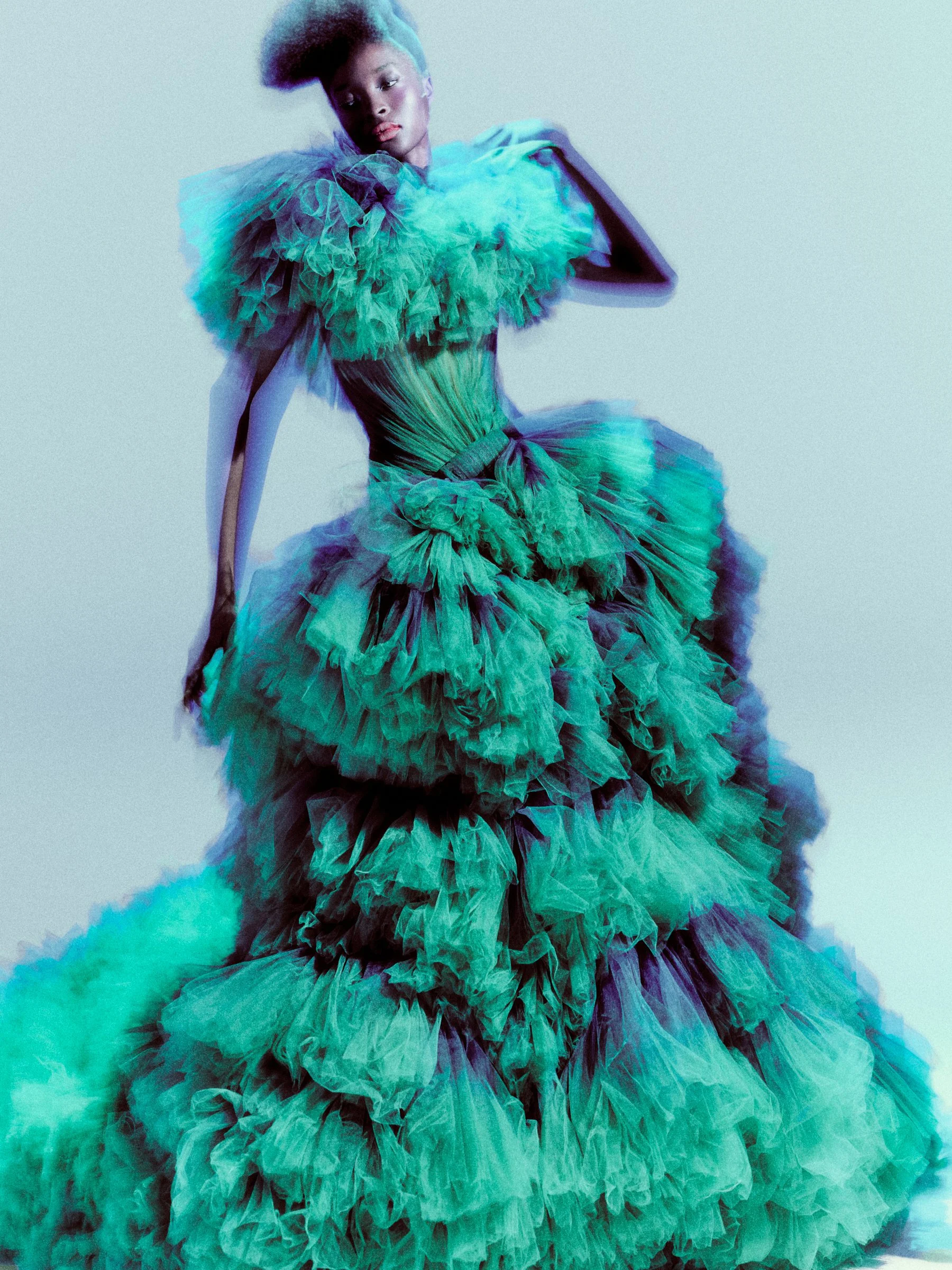
NICOLAS JEBRANI wanted someone with a controlled presence, someone who could stand inside enormous proportions, exaggerated beauty, colour, shine and strange silhouettes without disappearing beneath any of it. The fashion could become louder and louder, but she never needed to compete with it. She could simply hold her ground.
That mattered because the story was never really about becoming louder. It was about no longer reducing yourself.
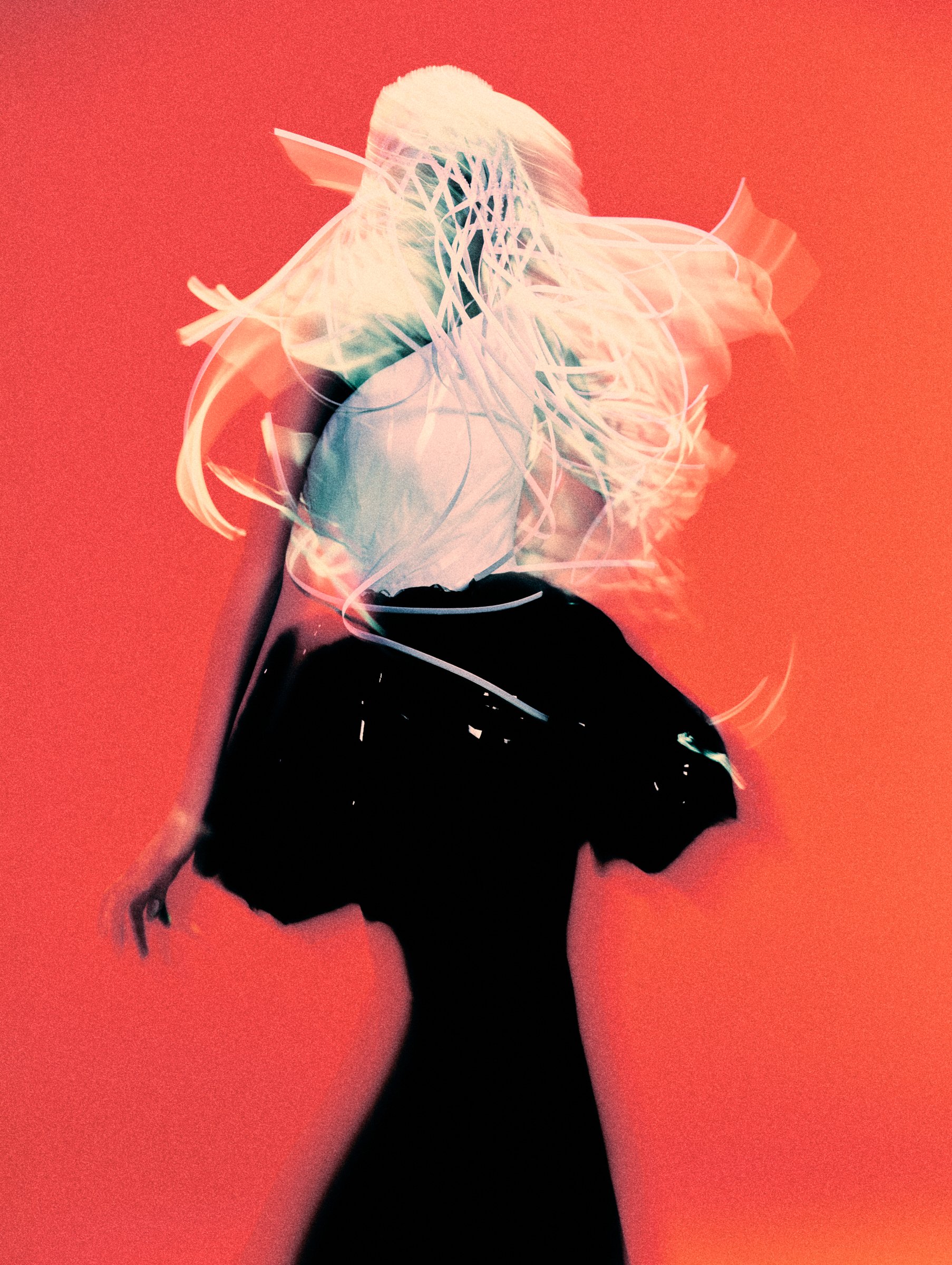
TONY WARDI think that is also why the images I am most drawn to are not necessarily the largest ones. Sometimes a face occupies more space than a gown. Sometimes stillness feels more excessive than movement. Sometimes a look that seems almost controlled has more authority than the most dramatic silhouette in the room. Presence is strange that way. It has very little to do with measurement.
And maybe that is where the idea became personal again.
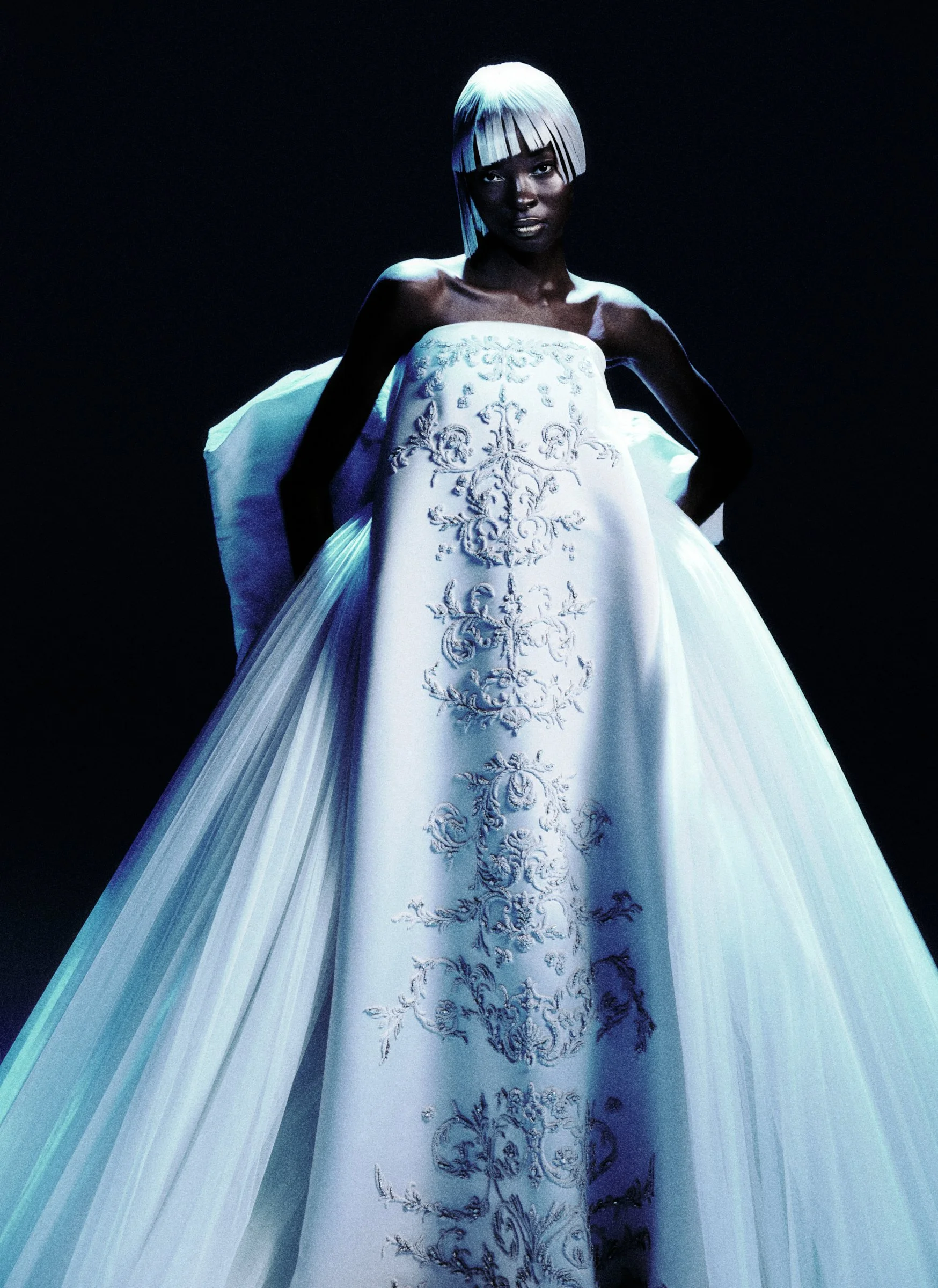
MAISON ALIWe spend so much time adjusting ourselves according to invisible measurements. How ambitious is too ambitious? How glamorous is too glamorous? How much attention is acceptable to want? How much success can you desire before somebody thinks you have lost perspective? How much space can you take before the room starts describing you differently?
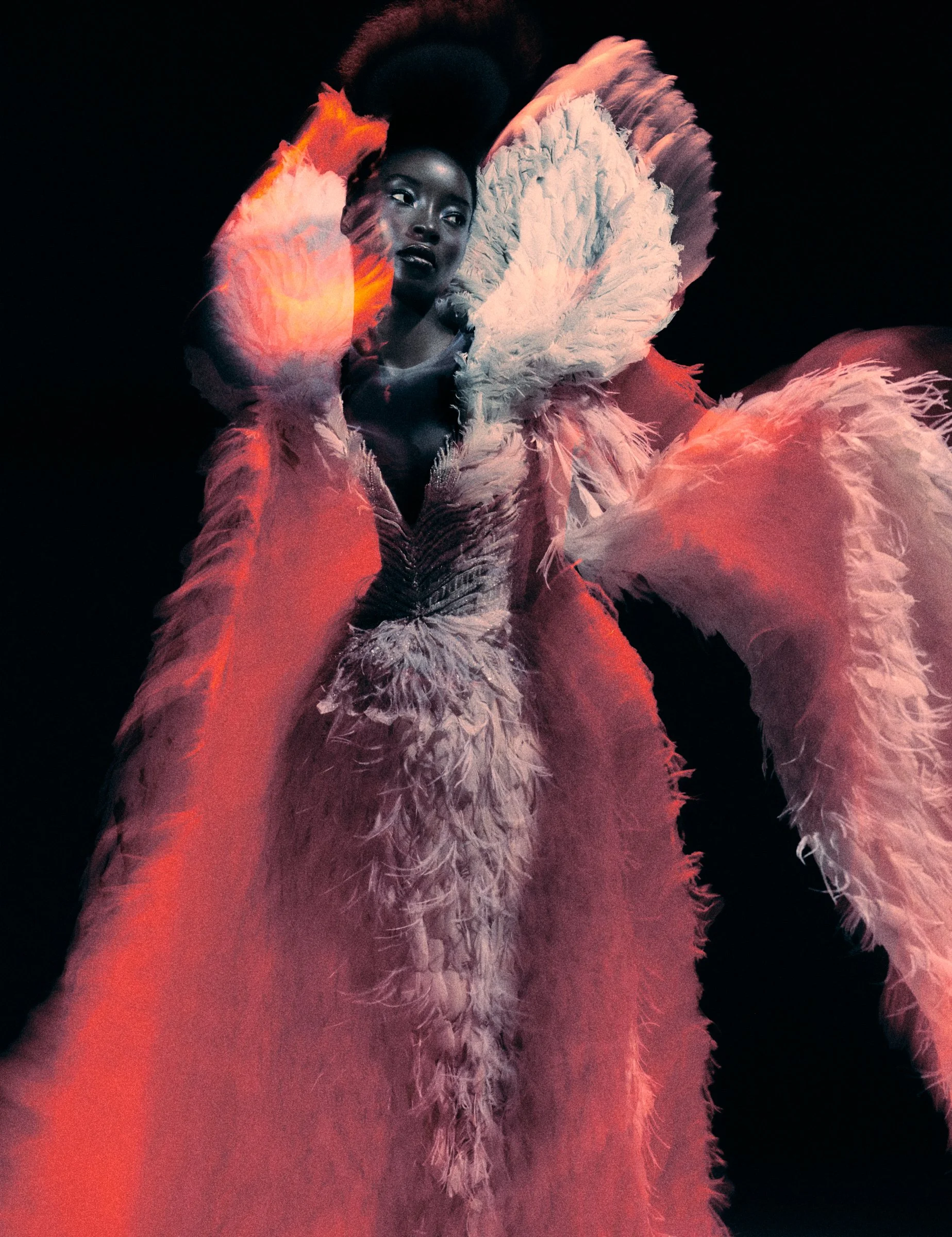
SAIID KOBEISYThere is always another word waiting once you cross the line.
Confident becomes arrogant. Ambitious becomes unrealistic. Glamorous becomes vulgar. Visible becomes attention-seeking. More becomes too much.
At some point, I started wondering whether too much was ever a useful measurement at all.
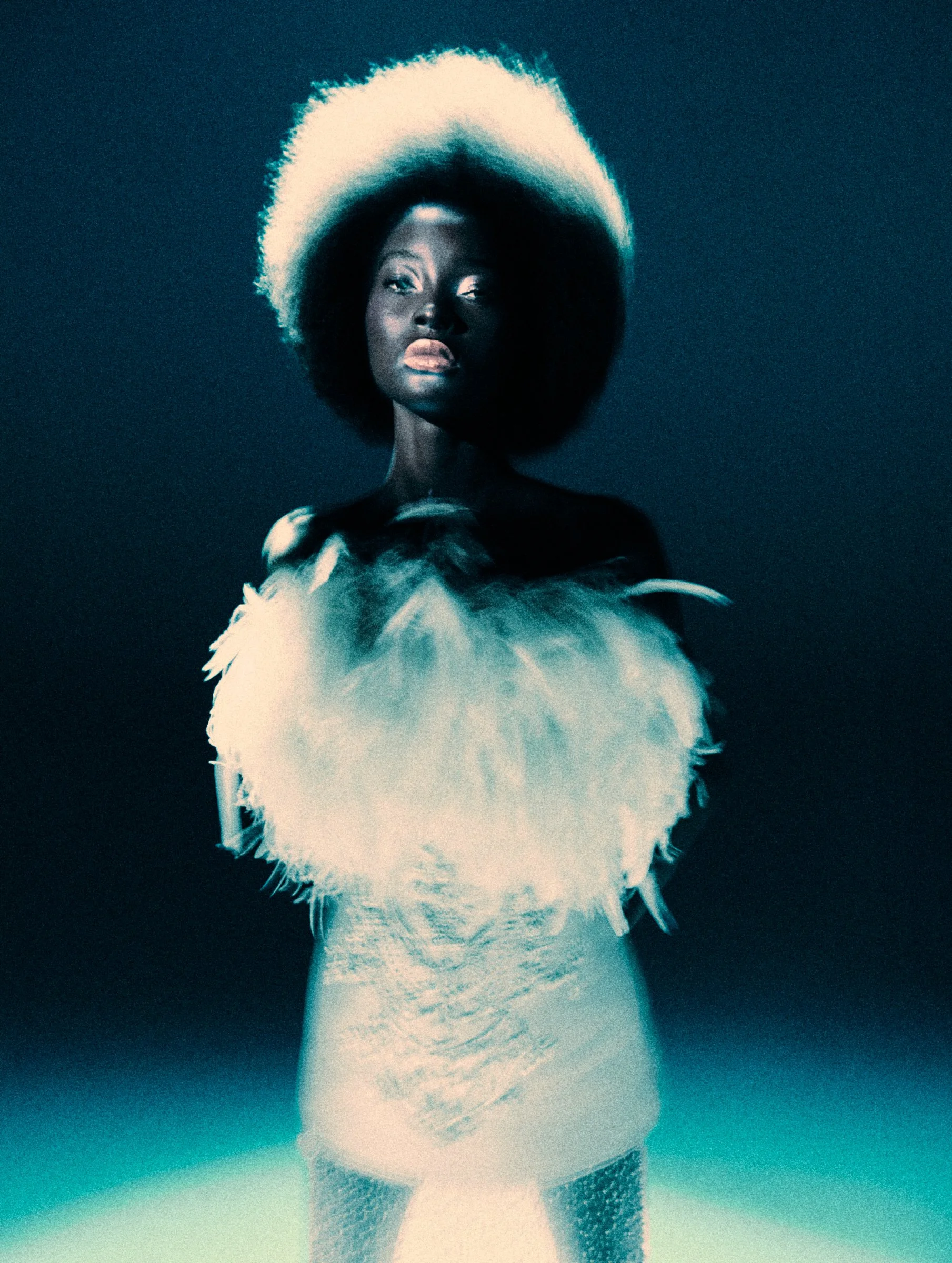
KRIKOR JABOTIAN Once you stop measuring yourself against the space you were given, the idea of too much starts to lose its meaning. What once looked excessive can suddenly feel exactly right. The proportions change. The room does not.
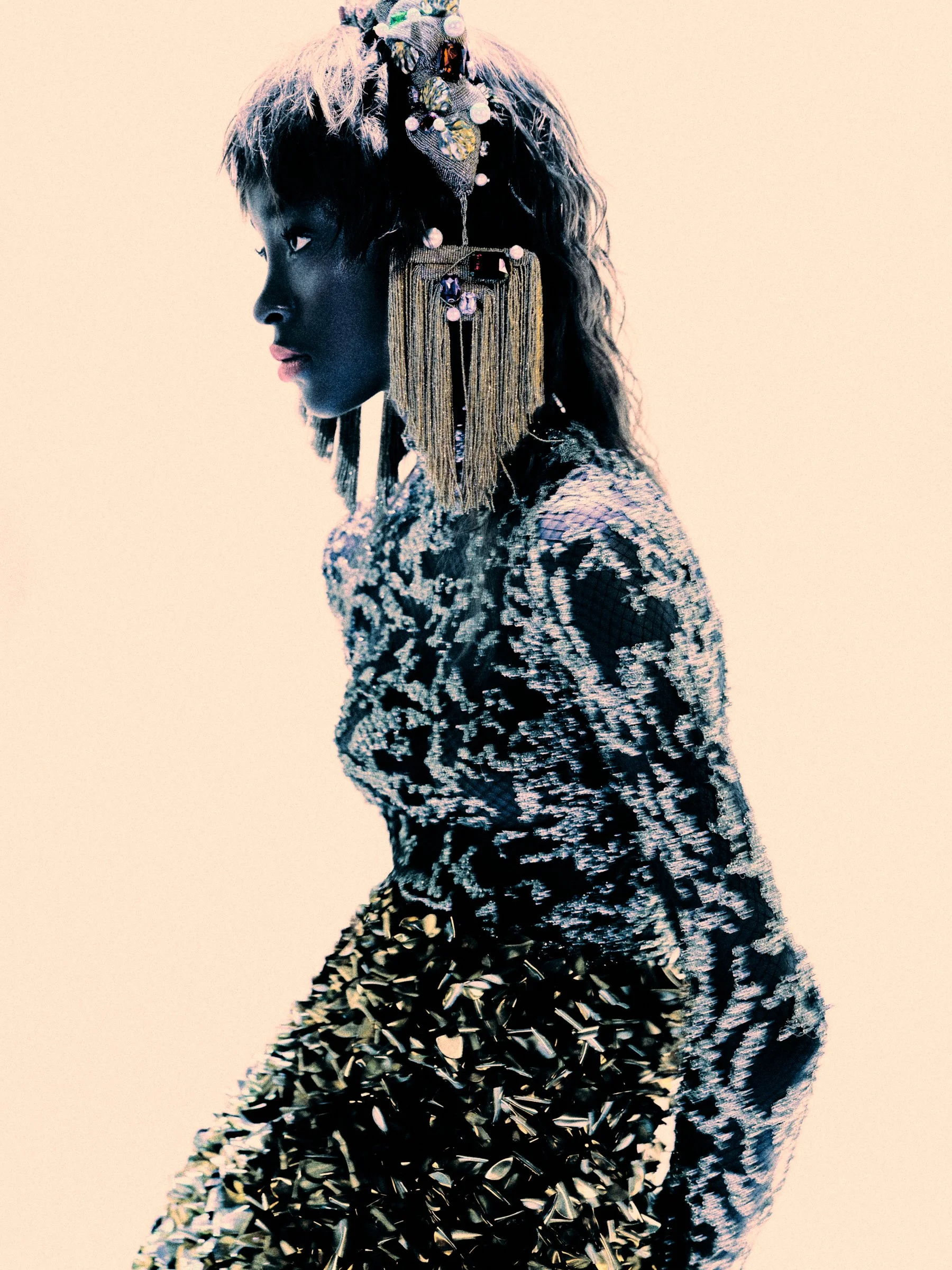
AZZI & OSTAThat, for me, is the heart of Small Enough.
It is not about becoming larger than life. It is not about dressing bigger, speaking louder or turning excess into some new rule. It is about recognising how often we participate in our own reduction. How often we make the dream more reasonable, the desire more acceptable, the outfit quieter, the ambition easier for someone else to hear.
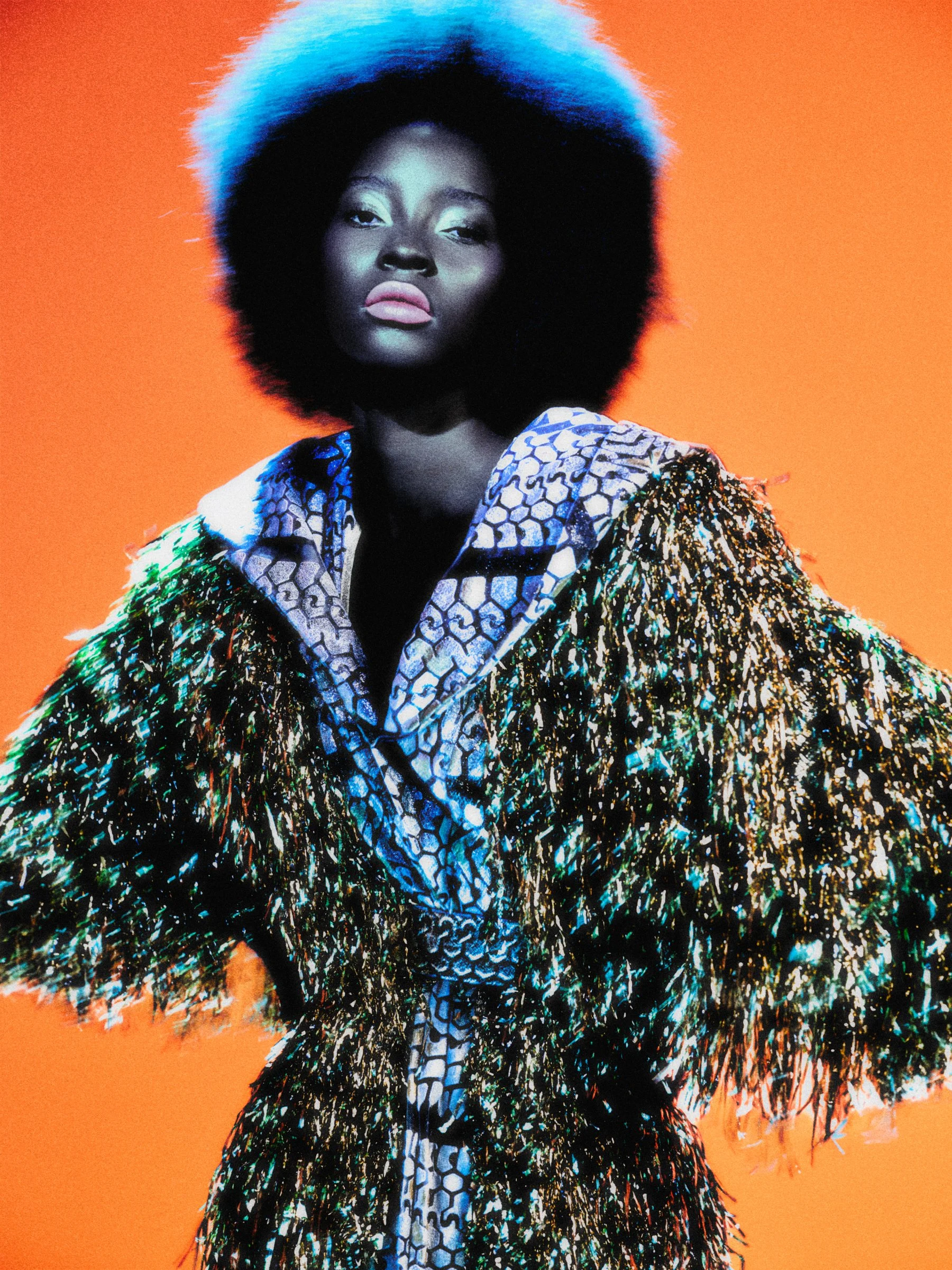
GEORGES CHAKRAAnd then, perhaps, deciding not to.
Nobody is born wanting to be small. Someone teaches you that.
This is what it looks like to unlearn it.
GEORGES HOBEIKACreative & Fashion Direction: Hussein Taher, Editor-in-Chief
Photography: Sandra Chidiac
Styling: Sarah Keyrouz
Hair & Makeup Artist: Moe Maanieh
Hair Assistant: Mathieu Ayoub
Model: Judith Linus at Twice Management